A tree can fall in seconds, but the question of who is responsible for fallen trees is rarely answered by a single rule. Responsibility may depend on where the trunk stood, what caused it to fail, whether anyone knew it was hazardous, and what it damaged on the way down. After a windstorm or sudden failure, the first priority is always safety. The paperwork and cost questions come next.
For homeowners and property managers in Vancouver, Washington, the safest approach is to document the situation, keep people away from the area, and have a qualified tree professional assess the damage before anyone starts cutting. Fallen trees can involve hidden tension, unstable root plates, damaged utility lines, and limbs that shift without warning.
Who Is Responsible for Fallen Trees Between Neighbors?
In many residential situations, the owner of the property where the tree was growing is responsible for maintaining that tree. That does not automatically mean they are responsible for every dollar of damage after it falls.
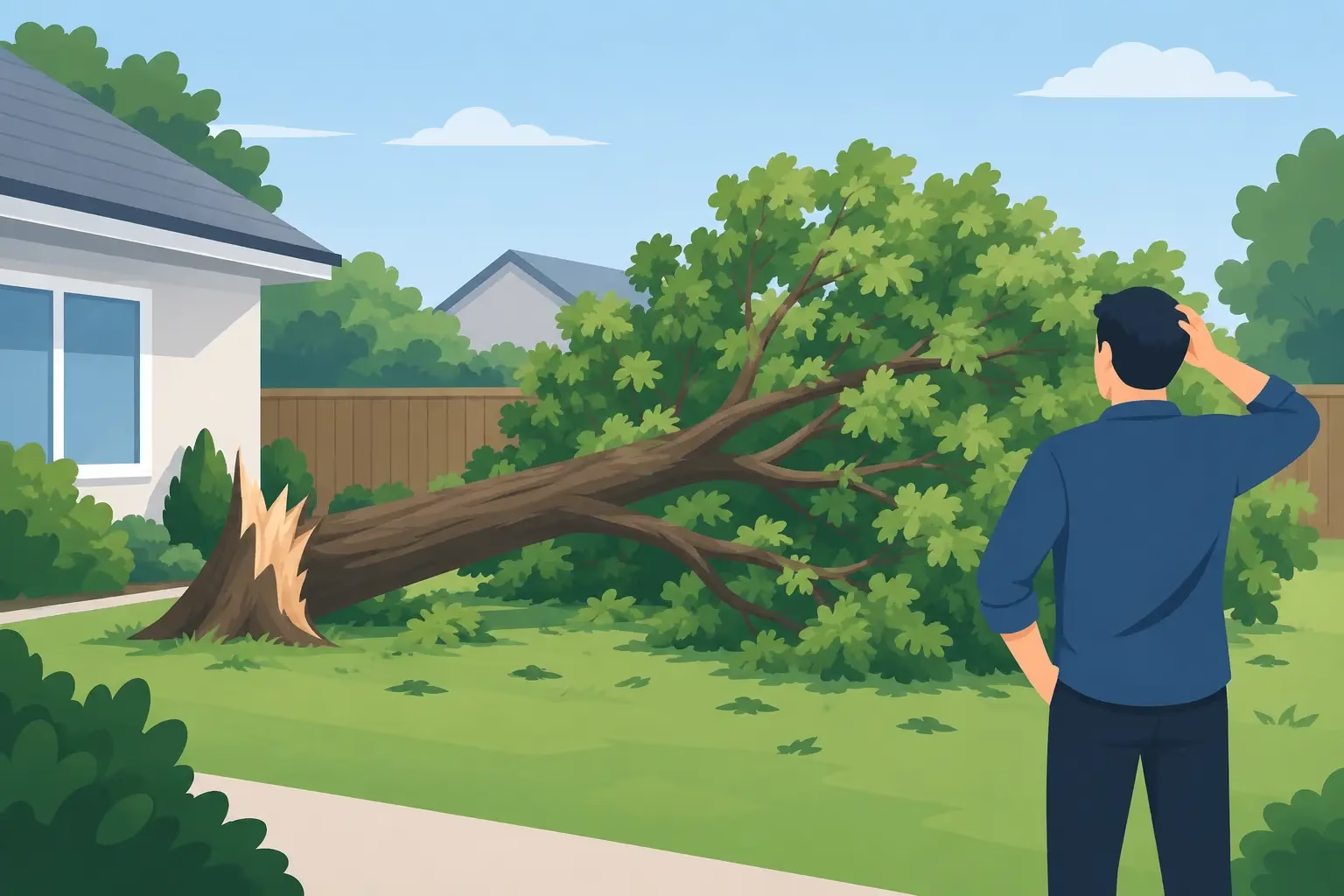
If a healthy-looking tree falls during a severe storm and lands on a neighbor’s fence, roof, or vehicle, insurance commonly treats the event as storm damage. In that situation, each property owner may file a claim with their own insurance provider for damage to their own covered property. The neighbor whose yard holds the fallen tree may still need to arrange removal of the remaining trunk or debris on their side, but fault is not assumed simply because the tree originated there.
The answer can change when there was a known hazard. A dead tree, a visibly decayed trunk, major cracks, hanging limbs, or a tree that had been previously identified as unsafe may create a different situation. If the tree owner knew, or reasonably should have known, that the tree posed a risk and did not address it, they may be found negligent. That can affect insurance claims and liability.
This is why routine pruning, hazard inspections, and prompt removal of declining trees matter. They protect people and property, but they also create a record that you acted responsibly when a concern was identified.
Property Lines Do Not Always Settle the Question
A tree growing directly on a boundary line can be more complicated. Both neighbors may have an interest in the tree, and neither should assume they can remove it without discussing the work first. A survey may be needed if the trunk location is unclear.
Homeowners can often trim branches or roots that cross onto their property, provided the work stays on their side of the line and does not damage or destabilize the tree. However, aggressive cutting can harm the tree and create a larger hazard. When branches are large, near a structure, or connected to a declining tree, professional evaluation is the better choice.
Fallen Trees on a Road, Sidewalk, or Public Area
A tree that blocks a public road, affects a sidewalk, or falls in a city-managed area may be the responsibility of a local public agency. That said, nearby property owners should not assume every tree near the street belongs to the city. In some neighborhoods, the homeowner may still be responsible for a street tree or for maintenance within part of the right-of-way.
If a fallen tree is blocking traffic, creating an immediate hazard, or has damaged public infrastructure, report it to the appropriate local authority. Keep vehicles and pedestrians away from the area. Do not attempt to move a tree that is leaning into a road, resting on a fence, or tangled in wires.
A private tree that falls from your property into the street can also leave you responsible for removal or cleanup, particularly if it obstructs access. Local rules and the location of the trunk, branches, and debris all matter. A professional tree crew can remove material safely, but permits or municipal coordination may be required in certain circumstances.
Utility Lines Change the Situation Immediately
When a tree contacts or brings down a power line, responsibility takes a back seat to immediate danger. Treat every downed wire as energized, even if it appears inactive. Keep people, pets, vehicles, ladders, and tools well away from it.
Call 911 if there is an immediate threat to life, fire, or traffic safety, then notify the utility provider. Do not touch the tree, move debris, or try to cut branches away from the line. Tree work near energized utilities requires specialized planning, equipment, and coordination. An ordinary chainsaw job can quickly become life-threatening.
Once the utility has secured the area, a qualified tree service can assess what can be removed and how to complete cleanup without creating additional damage. The utility may handle its lines and related equipment, while the property owner remains responsible for tree debris and repairs on private property. The exact division varies by circumstance.
Does Homeowners Insurance Pay for a Fallen Tree?
Homeowners insurance may help cover damage caused by a fallen tree, but coverage is not the same as automatic payment for tree removal. Policies often cover removal when a tree damages an insured structure, such as a house, garage, or fence, subject to deductibles and policy limits. Coverage for a tree that simply falls in an open yard may be more limited.
Insurance may also treat removal differently when the tree blocks a driveway, accessibility route, or other covered access point. If the tree fell because of wind, snow, or lightning, that may be covered differently than a tree that failed from long-term decay or lack of maintenance.
Before cleanup begins, take clear photos and video from a safe distance. Capture the trunk, root area, visible decay if present, the direction of failure, and all property damage. Save any previous inspection reports, written communications with a neighbor, or maintenance records. Then contact your insurance carrier to understand the claim process and whether an adjuster needs to inspect the damage.
Do not delay emergency work that is necessary to prevent further damage. If a tree is resting on a roof or has left an opening exposed to rain, safe stabilization and removal may be urgent. Keep all estimates, invoices, and photos for your records.
Responsibility for Fallen Trees at Rental Properties
At a rental home or small commercial property, the property owner is generally responsible for maintaining trees and addressing hazardous conditions. Tenants should report dead limbs, cracking trunks, leaning trees, and storm damage promptly in writing. They should not attempt removal themselves or hire someone without the owner’s approval unless there is a true emergency and local authorities direct otherwise.
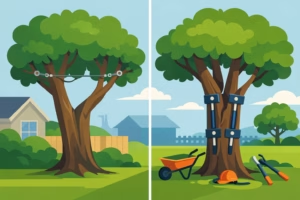
Property managers benefit from having trees inspected before storm season, especially mature trees near buildings, parking areas, walkways, and play spaces. Proactive pruning can reduce the weight of overextended limbs, correct structural issues, and remove deadwood before it becomes an emergency call.
What to Do Before a Fallen Tree Is Removed
A fallen tree may look still while holding enormous stored energy. Limbs can be bent under tension, trunks can roll, and partially uprooted trees can shift as the root plate settles. Leave removal to trained crews with the right equipment and job plan.
Before a tree service arrives, take these practical steps:
- Keep everyone away from the tree, especially children and pets.
- Photograph the damage from a safe location for insurance documentation.
- Contact emergency services or the utility provider if wires, roads, or immediate hazards are involved.
- Avoid cutting, pulling, climbing, or placing equipment beneath a suspended limb or leaning trunk.
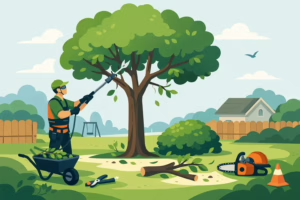
A qualified crew should assess the tree’s weight, lean, tension points, access route, nearby structures, and utility exposure before making the first cut. Safe removal is not just about getting debris off the ground. It is about controlling every section of the tree so the situation does not worsen.
When a Professional Assessment Is Worth It
Not every fallen branch requires a complex response. A small limb in an open lawn may be straightforward to address. But a large tree, roof impact, cracked trunk, uprooted base, damaged fence, confined backyard, or any utility involvement calls for professional help.
M & R Tree Services provides experienced tree removal, storm damage cleanup, pruning, and structural support for property owners who need dependable help in high-risk situations. Our work is planned with safety at the center, following applicable ANSI standards and OSHA requirements.
If you are unsure who is responsible, do not let that uncertainty delay a safety decision. Secure the area, document what happened, notify the right parties, and get a professional assessment. A clear plan today can prevent a dangerous cleanup from becoming a second emergency.