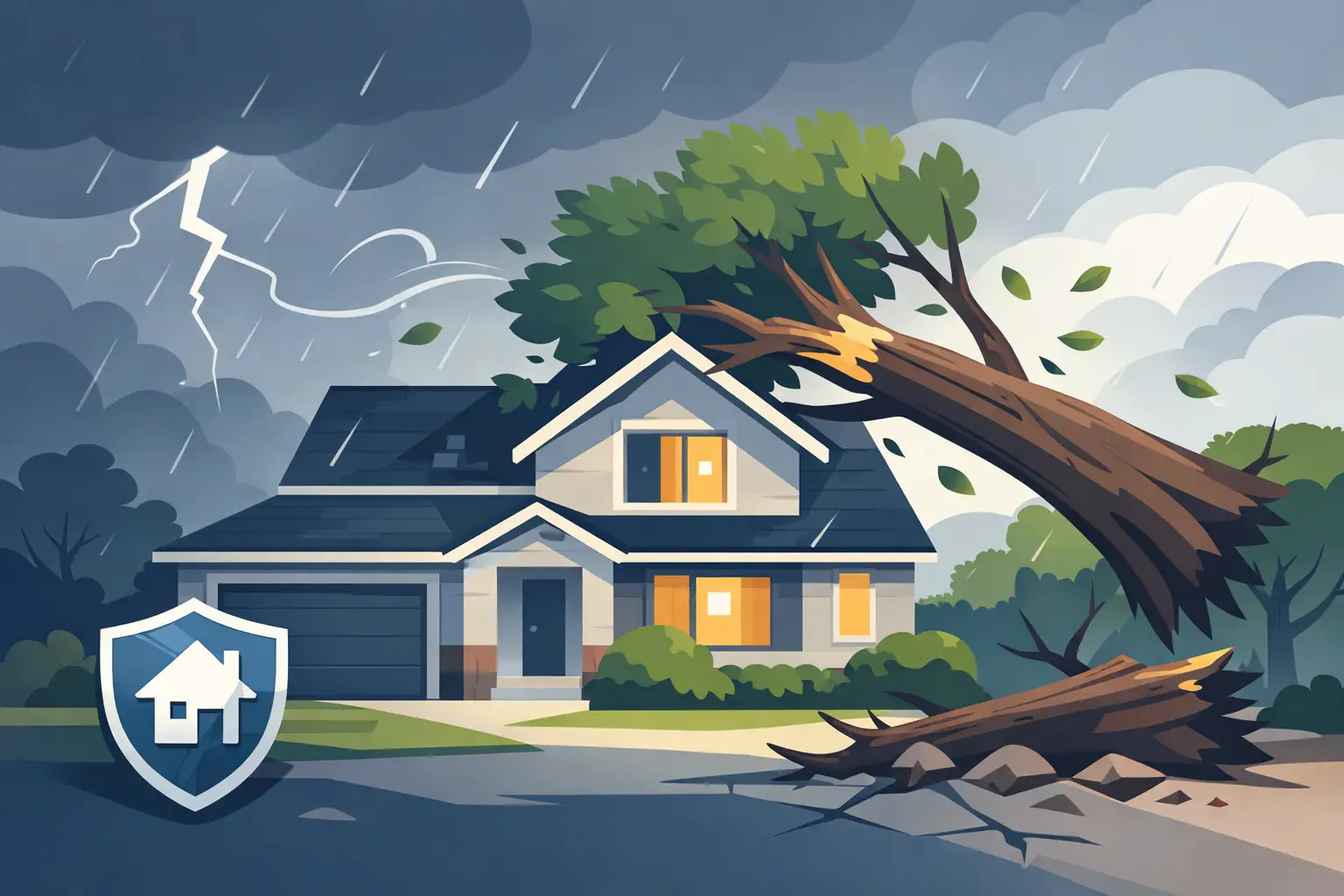
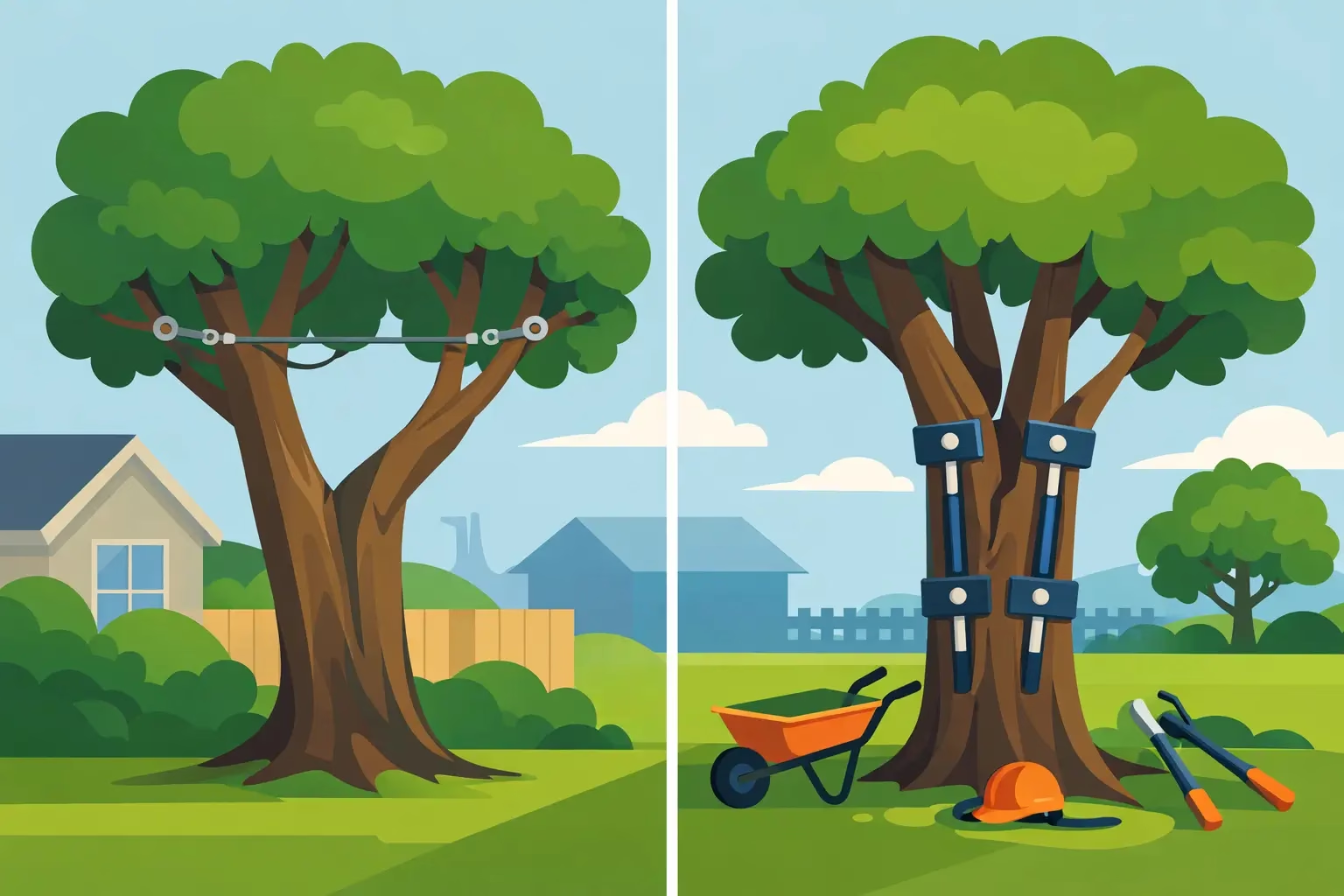
A mature tree with a heavy limb extending over a roof, driveway, or play area can create a difficult decision. The question is not always whether the tree should come down. In many cases, cabling vs bracing trees comes down to the type of structural weakness present, the tree’s overall health, and what could be damaged if it fails.
For homeowners in Vancouver, Washington, and nearby communities, professional support systems can help preserve valuable trees while reducing the chance of limb or trunk failure. They are not a cosmetic fix, and they do not make a hazardous tree permanently safe. When selected and installed correctly, however, they can be an effective part of a larger tree-risk management plan.
What Tree Cabling Does
Tree cabling is designed to support limbs or stems that may be more likely to split or break under wind, snow, ice, or the weight of dense foliage. A qualified tree care crew installs a high-strength cable between major branches or co-dominant stems, usually in the upper canopy. The cable helps limit how far those parts can move apart during a storm.
Cabling is often considered when a tree has two or more major trunks growing from the same area. These are called co-dominant stems. If the union between them is narrow, V-shaped, or shows included bark, the connection may be weaker than it appears from the ground. Included bark is bark trapped between the stems as they grow together, preventing a strong wood-to-wood attachment.
A cable does not carry the full weight of a limb. Instead, it reduces excessive movement and provides supplemental support when force is applied. This can be especially useful for broad, mature trees with long lateral branches over a home, fence, parking area, or neighboring property.
Dynamic and static cabling
Not all cable systems work the same way. Dynamic systems use flexible synthetic materials that allow a tree to move naturally while limiting extreme motion. They may be appropriate for some younger or more flexible trees.
Static systems use steel cable and hardware to provide firmer support. These are often used where a structure needs more direct restraint. The right system depends on the tree species, branch structure, defect, load, and target below the tree. A support system should never be selected by appearance alone.
What Tree Bracing Does
Bracing typically addresses a different kind of problem. Rather than supporting a limb from above, bracing uses threaded rods installed through a split, crack, or weak union to hold the affected sections together. It is most often used lower in the tree, near a trunk union or a significant crack.
Think of cabling as a way to limit movement and bracing as a way to reinforce a compromised connection. A tree with a visible split between two main stems may need bracing rods to stabilize that split. It may also need cabling higher in the canopy to reduce the movement that continues to stress the damaged area.
Bracing is a more invasive procedure because it requires drilling into the tree. That is why placement, rod size, and installation technique matter. Improper hardware can cause unnecessary injury, fail under load, or create a false sense of security. Professional assessment is essential before deciding that bracing is appropriate.
Cabling vs Bracing Trees: Which Is Right?
The answer depends on the defect, not simply on how large the tree is. Cabling may be recommended for a heavy, overextended limb with a weak attachment or for co-dominant leaders that are intact but vulnerable. Bracing may be considered when a union has already begun to split, when a crack is present, or when structural separation needs direct reinforcement.
Some trees benefit from both. For example, a large maple with a cracked central union may receive bracing rods near the defect and a cable higher in the canopy. The rods help stabilize the existing weakness, while the cable reduces the force that could worsen it during high winds.
There are also situations where neither option is responsible. If a tree has extensive internal decay, severe root damage, a major lean toward a structure, or a large active split, support hardware may not reduce the risk enough. Selective pruning, removal of a hazardous limb, or complete tree removal can be the safer recommendation.
A Support System Is Not a Guarantee
A well-installed cable or brace can reduce the likelihood of failure, but it cannot guarantee that a tree will not break. Trees are living structures. Their condition changes with age, pests, disease, decay, soil movement, and weather exposure.
This is particularly relevant in the Pacific Northwest, where heavy winter rain can saturate soils and windstorms can place sudden force on large canopies. A tree that has tolerated its structure for years may show new weaknesses after a storm, construction activity near its roots, or the loss of a neighboring tree that once provided wind protection.
For that reason, a support system should be paired with proper pruning and periodic inspection. Removing deadwood, reducing excessive end weight on selected limbs, and monitoring cracks or hardware condition can make a meaningful difference. Topping a tree is not the answer. Improper topping cuts can create weak regrowth, accelerate decline, and increase future maintenance needs.
Signs Your Tree Should Be Evaluated
Homeowners should request a professional inspection when they see a crack where major trunks meet, a limb that has suddenly dropped or sagged, or a gap widening between co-dominant stems. Fresh wood showing inside a union, peeling bark around a split, fungal growth near the base, and new leaning can also point to a structural issue.
Pay close attention to what sits beneath the tree. A small defect in a tree over an open yard may call for monitoring and pruning. That same defect over a bedroom, busy driveway, sidewalk, or power line requires a more urgent risk assessment.
Do not try to install cables, chains, bolts, or ropes yourself. Hardware placement requires an understanding of load paths, wood condition, and safe climbing or aerial work practices. More importantly, a damaged tree can shift without warning while someone is working beneath it.
How Professionals Evaluate Tree Support
A proper recommendation begins with the entire tree, not just the visibly weak branch. A trained crew evaluates the species, size, canopy balance, union shape, visible cracks, decay indicators, root zone, lean, and nearby targets. They also consider whether pruning can reduce the load enough to avoid hardware.
If cabling or bracing is recommended, the work should be planned around recognized arboricultural practices and job-site safety procedures. At M & R Tree Services, structural tree support work is approached with the same focus on ANSI standards, OSHA safety requirements, and clear communication that guides every tree care project.
The team should also explain the limits of the proposed work. A trustworthy recommendation identifies whether the goal is to retain a valued tree, extend its useful life, reduce a specific failure risk, or provide time for a homeowner to plan eventual removal. Those are different goals, and they should not be presented as the same solution.
Inspection and Maintenance After Installation
Cables, rods, and attachment points need regular inspection. As a tree grows, hardware can become embedded, loosen, corrode, or require adjustment. Storms, major pruning, and changes in canopy weight can also affect the system’s performance.
Annual inspection is a sensible starting point for many supported trees, with an additional check after severe wind or visible damage. The exact schedule depends on the tree, the system used, and the level of risk below it. Keep an eye out for new cracks, changes in limb position, broken hardware, or bark growing over components.
A tree support system works best when it is treated as ongoing care rather than a one-time repair. That approach protects the tree, helps manage property risk, and gives you a clearer picture of when its condition has changed.
If a tree on your property has a split trunk, weak union, or a heavy limb over an important area, a professional assessment can replace uncertainty with a practical plan. The right answer may be cabling, bracing, targeted pruning, or removal – but it should be based on the tree in front of you and the safety of the people and property around it.