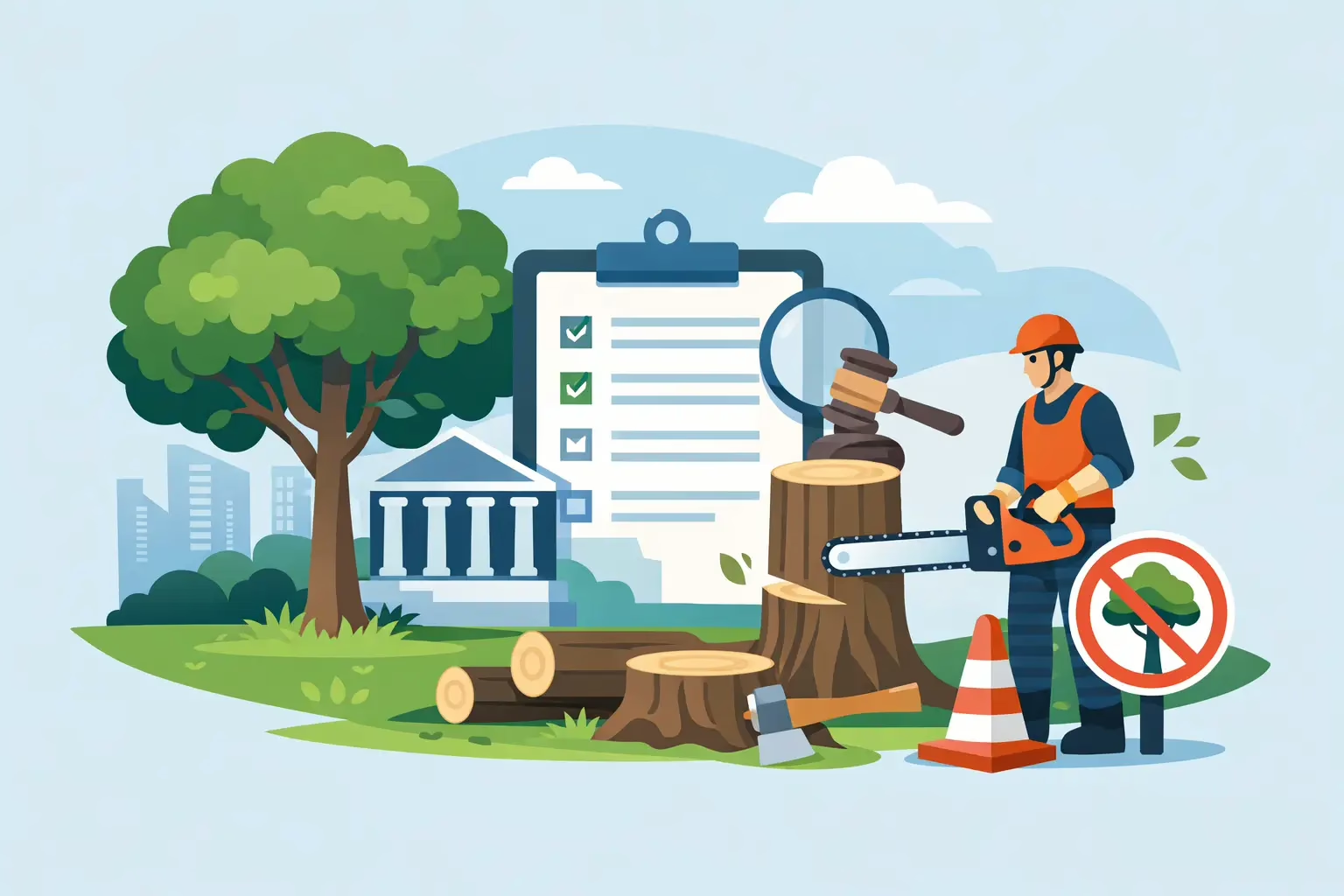
If you have a tree leaning over the house, dropping heavy limbs, or crowding a fence line, the question usually comes up fast: do I need a permit to remove a tree? The honest answer is maybe – and that is exactly why it pays to check before any cutting starts. Tree rules can vary by city, county, property type, tree size, and whether the tree is considered protected, hazardous, or part of a regulated area.
For homeowners and property managers, this is not just paperwork. Removing a tree without the right approval can lead to fines, project delays, and added problems if a neighbor or local inspector raises concerns later. In some cases, you may be cleared to remove the tree right away. In others, you may need a permit, an arborist report, or proof that the tree is dead, diseased, or creating a safety risk.
Do I Need a Permit to Remove a Tree on Private Property?
Many people assume that if a tree is on private property, they can remove it whenever they want. Sometimes that is true, but not always. Local governments often regulate tree removal to protect neighborhood canopy, reduce erosion, preserve certain species, or manage stormwater and development impacts.
That means a permit may be required even when the tree is fully inside your property line. Cities may look at trunk diameter, species, site location, and the reason for removal. A large healthy tree may face more restrictions than a small declining one. A tree in a critical area or near a public right-of-way may also trigger additional review.
If the property is part of an HOA, a commercial site plan, or a multifamily development, there may be another layer of approval beyond city or county requirements. It is common for owners to be surprised by this. The job seems simple until someone asks for documentation.
What Usually Determines Whether a Permit Is Required?
The permit question usually comes down to a few practical factors. Size is a big one. Many local codes use trunk diameter or circumference to decide whether a tree is protected. Species matters too, especially if the tree is designated as significant, heritage, or native under local rules.
Condition also matters. A dead, dying, cracked, uprooting, or structurally compromised tree may qualify for expedited approval or an exemption, but you may still need to show evidence. Photos, site notes, or an arborist assessment can help support the case. If the tree is healthy, approval can be harder to get.
Location is another major factor. Trees near wetlands, slopes, streams, easements, sidewalks, roads, or utility corridors are often subject to stricter oversight. If the removal is part of construction, grading, or lot clearing, expect more review rather than less.
The reason for removal matters as well. Hazard mitigation is treated differently from convenience. Wanting more sunlight or a clearer view may not carry the same weight as a tree with root failure or a split trunk over the home.
Common Situations Where a Permit May Be Needed
A permit is more likely when you are removing a large tree, a healthy tree, or multiple trees at once. It can also come into play if the tree sits in a front yard, protected buffer, or designated environmental area. On some properties, removing one tree may require replacement planting elsewhere.
You may also need approval when the tree is near power lines, shared boundaries, sidewalks, or public streets. In these cases, the issue is not just tree preservation. It is also public safety and site access. Utility coordination or traffic control may be required depending on the setup.
Rental properties and commercial parcels can bring added complexity because different zoning or development standards may apply. If the site has prior permit conditions, landscaping requirements, or code enforcement history, tree removal may receive closer attention.
When You May Not Need a Permit
There are situations where a permit may not be required. Small ornamental trees, invasive species, storm-damaged trees, or clearly dead trees are sometimes exempt under local code. Emergency conditions can also change the process.
That said, exempt does not always mean undocumented. Some jurisdictions allow emergency removal first but still expect notice afterward. Others require proof that the tree posed an immediate threat to people or structures. If the danger is obvious and urgent, safety comes first – but it is still wise to document the condition with photos and professional notes.
This is where homeowners can get into trouble. They hear that hazardous trees do not need permits, then assume every declining tree qualifies. Local officials may see it differently, especially if the tree looked stable before removal began.
Hazardous Trees and Emergency Removals
When a tree is cracked, uprooting, storm-damaged, or hanging over a home, waiting on paperwork may not be realistic. Emergency tree situations are handled differently in many areas because the priority is protecting people and property.
Still, emergency removal is not a free pass to skip every rule. Some cities want a same-day or next-day report. Others want an arborist statement confirming the hazard. If only part of the tree failed, they may ask why full removal was necessary instead of pruning or structural support.
That is one reason it helps to work with a professional tree service that understands both safety procedures and the local approval process. High-risk removals should be handled with proper equipment, trained crews, and clear documentation. The work itself is dangerous, and the administrative side can be just as important if questions come up later.
What Happens If You Remove a Tree Without a Required Permit?
The consequences depend on local code, but they can be expensive. You may face civil fines, replacement requirements, permit penalties, or stop-work orders if the removal is connected to a larger property project. In some cases, replanting requirements are based on tree size, which can make the cost climb quickly.
There are also practical headaches. A future home sale, insurance question, neighbor dispute, or code complaint can bring the issue back long after the tree is gone. If no permit was obtained and no records exist, the property owner usually carries that burden.
For landlords and property managers, permit missteps can also create tenant concerns and delay maintenance schedules. A tree problem that should have been solved cleanly turns into a documentation problem.
How to Check Before Scheduling Tree Removal
The safest first step is to verify local requirements for your city or county before authorizing removal. You will usually need the property address, a description of the tree, and the reason you want it removed. Diameter, species, and photos are often helpful.
If the tree appears hazardous, gather evidence before work starts. Clear photos of cracks, decay, root lift, storm damage, or failed limbs can support your case. If multiple trees are involved, note each one separately rather than treating the project as a single item.
A qualified tree service can often help you understand what questions to ask and what site conditions may trigger extra review. They cannot replace the authority having jurisdiction, but they can help you avoid obvious mistakes and approach the job the right way from the start.
Do I Need a Permit to Remove a Tree, or Just a Professional Opinion?
Sometimes you need both. A professional opinion helps determine whether the tree is truly hazardous, declining, or likely to fail. A permit, when required, gives you the legal approval to proceed. One does not automatically replace the other.
This is especially true when the tree has structural issues that are real but not dramatic to an untrained eye. Internal decay, compromised unions, and root instability are serious conditions, but they may not be obvious in a quick photo. A trained crew can assess whether removal is appropriate or whether trimming, cabling, or bracing may be the better option.
That trade-off matters. Not every problem tree should be removed, and not every damaged tree is worth saving. The right decision depends on risk, condition, location, and cost over time.
If you are in Vancouver, Washington or nearby, M & R Tree Services can help you evaluate the situation, explain the next steps, and handle the work with safety in mind. When tree removal involves risk to people, structures, or nearby property, having an experienced team matters.
Before anyone starts cutting, take a few minutes to confirm the rules and get the tree looked at by a qualified professional. It is the easiest way to protect your property, avoid unnecessary setbacks, and move forward with confidence.