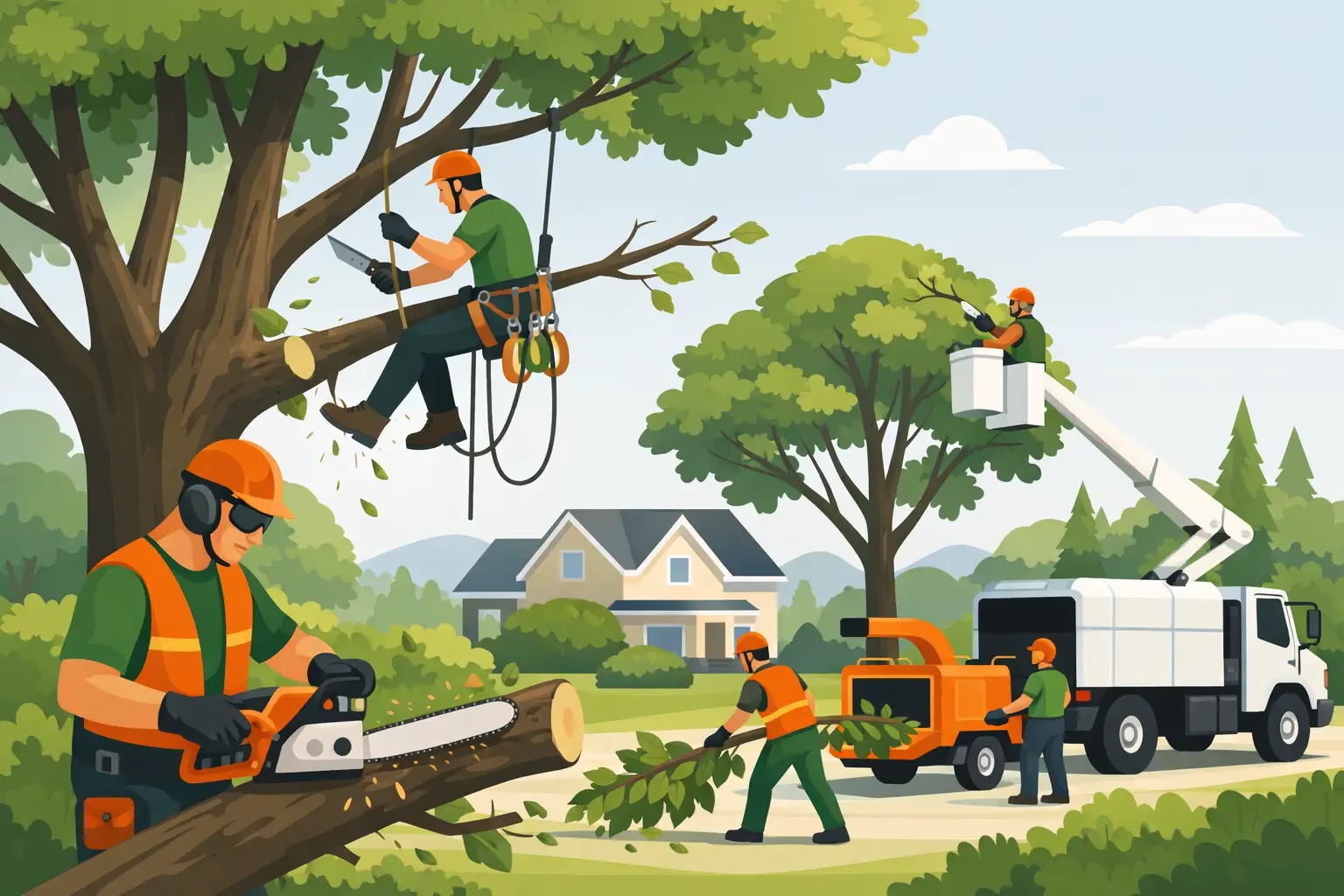
A large limb hanging over a roof or a storm-damaged tree leaning toward a driveway is not a problem to solve with a ladder and a chainsaw. Knowing how professional tree crews work helps homeowners understand why qualified tree care takes planning, specialized equipment, and a coordinated team from the first inspection through final cleanup.
Professional crews do more than cut branches. They assess the tree, protect people and property, decide how each section can be lowered safely, and adapt when site conditions change. That process is especially important around homes, power lines, fences, landscaping, and neighboring properties.
How Professional Tree Crews Work Before Cutting Begins
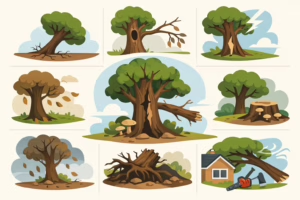
The work starts with an on-site assessment. A crew evaluates the tree’s size, species, condition, lean, branch structure, visible decay, and proximity to structures or utilities. They also look at the ground conditions. Wet soil, a steep yard, limited access, and underground obstacles can all affect how equipment is positioned and how the job is performed.
The goal is to identify the safest method before anyone starts cutting. A healthy tree in an open yard may be safely felled in one planned direction. A declining tree beside a house usually needs to be dismantled in sections, with branches and trunk pieces lowered under control. The right approach depends on the tree and the site, not just the size of the job.
A professional crew also identifies the drop zone and establishes a work zone. This keeps residents, pets, vehicles, and bystanders away from active cutting and rigging operations. Clear communication matters here. Homeowners should know where to park, which gates need to remain accessible, and whether any outdoor items need to be moved before work begins.
Safety standards guide every decision
Tree work carries real risks, particularly when workers are climbing, operating saws, using ropes, or working near electrical hazards. Reputable crews follow established safety practices, including applicable ANSI standards and OSHA regulations. That means using appropriate personal protective equipment, inspecting ropes and gear, maintaining safe work areas, and assigning roles clearly before the job starts.
If a tree or branch is close to energized power lines, the crew does not treat it as an ordinary trimming job. Electrical hazards require added precautions and, in many cases, coordination with the utility provider. Homeowners should never assume a branch touching or near a line is safe to handle.
Each Crew Member Has a Role
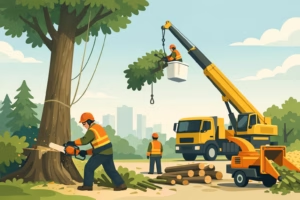
A well-run tree service is a team operation. On many jobs, one trained worker may climb the tree or operate an aerial lift while ground crew members manage ropes, receive material, operate chippers, and maintain the exclusion zone. A crew lead oversees the plan, monitors changing conditions, and makes sure the work stays organized.
The climber or aerial operator focuses on making precise cuts and communicating with the ground team. Ground workers are not simply cleaning up behind the climber. They are controlling lowering lines, moving brush away from the work area, feeding appropriate material into the chipper, and watching for hazards that may not be visible from above.
Communication is continuous. Crew members use verbal calls, hand signals, or radios when equipment noise makes conversation difficult. Before a branch is cut, everyone involved needs to know where it will go, who is controlling it, and when it is safe to move forward.
Controlled Removal Is Different From Just Cutting
When a tree must be removed near a structure, crews commonly take it down from the top or outer limbs inward. Smaller branches are cut and directed into a planned landing area. Larger limbs may be tied with rigging lines and lowered gradually so they do not strike a roof, fence, deck, or nearby landscape feature.
The trunk is then removed in manageable sections. The size of each section depends on the tree’s condition, available landing space, rigging capacity, and the crew’s ability to control the piece safely. A damaged or decayed tree may require smaller sections because its wood cannot be relied on to behave like sound timber.
This is one reason tree removal estimates can vary. Access, tree health, proximity to buildings, cleanup needs, and disposal all affect the labor and equipment required. The lowest quote is not always the best value if it does not account for safe rigging, insurance, proper equipment, or responsible cleanup.
Trimming and pruning require a different plan
Professional pruning is not the same as removing every low or overgrown branch. A trained crew evaluates which limbs are dead, diseased, rubbing, poorly attached, or creating clearance issues. The objective may be to reduce weight on an overextended limb, improve clearance from a roof, remove hazardous deadwood, or maintain a tree’s structure.
Good pruning preserves as much of the tree’s health and natural form as possible. Over-pruning can stress a tree, encourage weak regrowth, and leave it more vulnerable to decline. In some situations, cabling or bracing may be recommended to support a tree with a weak union or a heavy limb that is worth preserving. In others, removal is the safer choice. A professional assessment helps distinguish between the two.
Equipment Is Chosen for the Property
Tree crews use equipment that fits the job rather than forcing every project into the same method. Climbing gear and rigging equipment may be the best choice in a backyard with narrow access. An aerial lift can improve efficiency where there is enough room and stable ground. Chippers, chainsaws, stump grinders, and hauling equipment help crews process and remove material safely.
Equipment must be operated with the property in mind. A responsible crew considers lawn conditions, irrigation systems, gardens, gates, sidewalks, and nearby vehicles when planning access. Heavy equipment can be useful, but it may not be appropriate for every yard. Sometimes a more labor-intensive approach is the better way to protect the property.
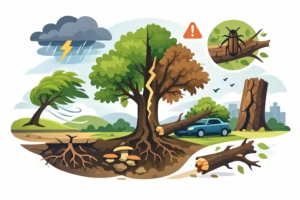
Weather also affects the decision. High winds, lightning, saturated ground, or poor visibility can make tree work unsafe. Delaying a non-emergency job may be frustrating, but it is the right call when conditions do not support safe operations. For emergency storm damage, crews stabilize the immediate hazard first and then determine what can safely be completed once weather conditions improve.
Cleanup Is Part of Professional Tree Service
A job is not finished when the final cut is made. The ground crew processes branches, removes logs or stacks them as agreed, rakes smaller debris, and checks the work area for missed material. If stump grinding is included, the crew confirms the desired depth and manages the resulting wood chips according to the service agreement.
Homeowners should also expect a final walkthrough when practical. This is the time to confirm that the agreed work was completed, discuss any unexpected conditions discovered during the job, and review recommendations for remaining trees. Clear communication after the work is just as valuable as careful planning before it.
At M & R Tree Services, our approach is built around the same priorities homeowners expect from dependable local professionals: safe work practices, careful property protection, honest recommendations, and a job site left in good order. With more than 14 years of experience, our team understands that tree work affects more than a tree – it affects your home, access, and peace of mind.
If you have a tree that looks unstable, limbs overhanging a structure, or storm damage that cannot wait, keep people and pets away from the area and request a professional assessment. A clear plan from a qualified crew is the safest place to start.