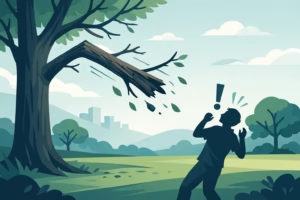
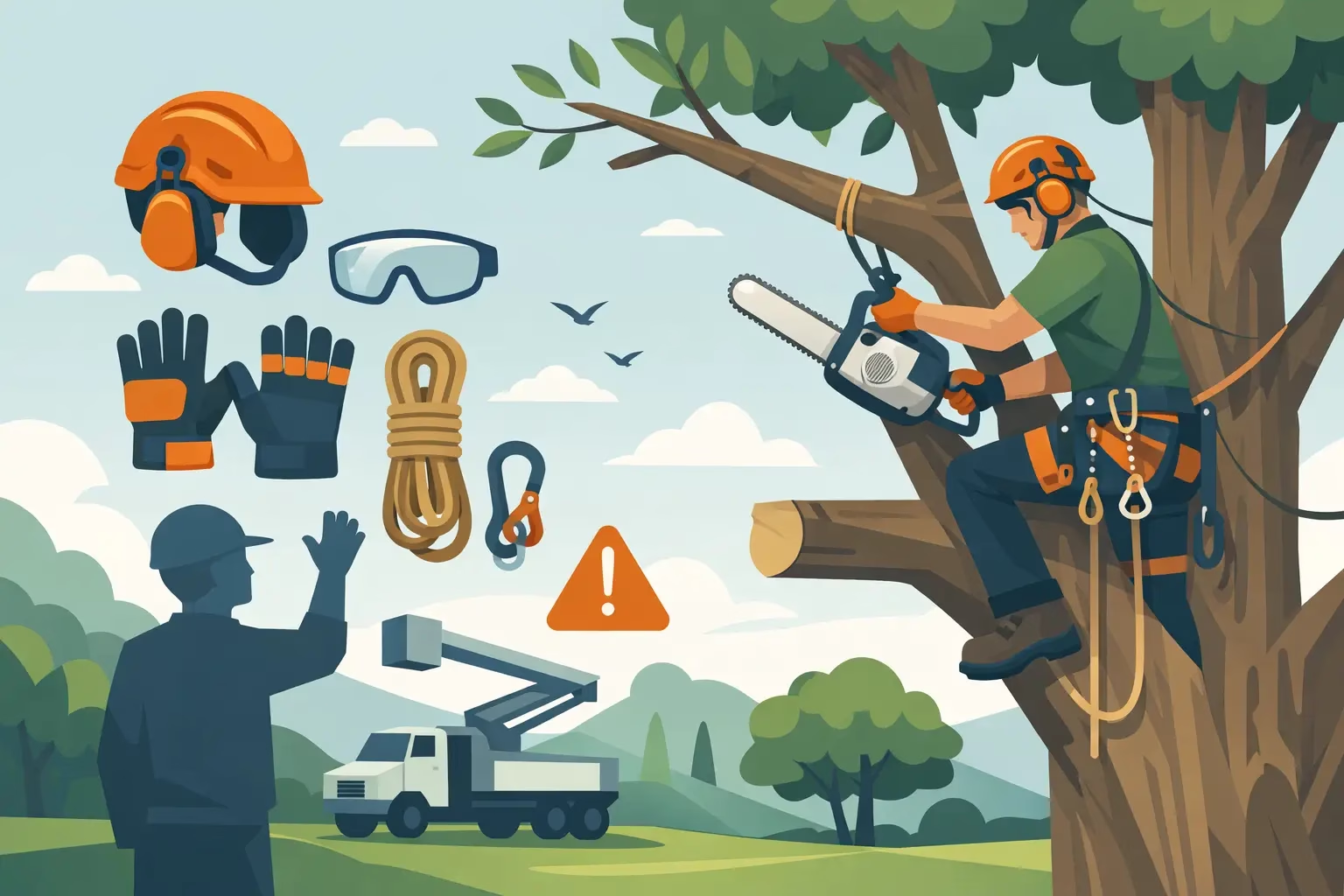
A limb over a roof, a storm-damaged tree leaning toward a driveway, or a dead tree close to power lines can turn into a serious property risk fast. When homeowners ask what makes tree work safe, the answer is never just one thing. Safe tree work comes from trained crews, proper equipment, clear planning, and strict attention to ANSI standards and OSHA regulations on every job.
Tree work is high-risk by nature. Crews are often working at height, around heavy wood under tension, near homes, vehicles, fences, and utility lines. Even a routine pruning job can become dangerous if the tree is unstable, the drop zone is not controlled, or the wrong cut is made in the wrong order. That is why safety is not a feature added at the end. It has to be built into the entire process from the first inspection to the final cleanup.
What Makes Tree Work Safe on a Real Job Site
The first part of a safe job is a proper assessment. Before any saw starts, a professional crew should evaluate the tree’s condition, the surrounding property, access points, weather, and nearby hazards. A healthy tree in an open yard is a very different job from a cracked maple hanging over a garage after a windstorm. The crew needs to know what kind of wood they are dealing with, where weight is distributed, whether decay is present, and how the tree may react once cuts begin.
This is where experience matters. Tree work is not just about cutting wood. It is about reading structure, tension, balance, and risk. A trained team can spot warning signs that an unqualified worker may miss, including split stems, root instability, dead tops, hidden decay pockets, and limbs loaded under pressure. Those details affect how the work should be performed and what level of rigging or support is needed.
Training, Standards, and Safe Work Practices
One of the clearest answers to what makes tree work safe is compliance with recognized safety standards. Professional tree care should follow ANSI standards for arboricultural operations and OSHA regulations for workplace safety. For a property owner, that means the crew is not relying on guesswork or shortcuts. They are working from established practices designed to reduce avoidable risk.
Training supports those standards in practical ways. Crew members need to understand chainsaw handling, climbing systems, aerial lift procedures, rigging methods, electrical hazard awareness, and emergency response. They also need to know when not to proceed. Sometimes the safest decision is to delay a job because of wind, poor access, or a hazard that requires a different setup.
This matters because tree work can look simple from the ground when it is not. A branch may seem easy to remove until it swings toward a window, barber-chairs off the trunk, or transfers unexpected force into another limb. Safe crews are trained to anticipate those outcomes before they happen.
The Right Equipment Is Part of Safe Tree Work
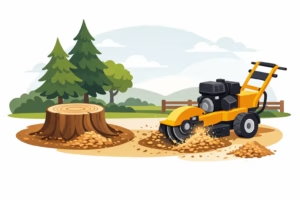
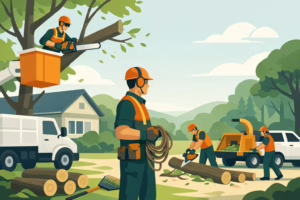
Good equipment does not replace skill, but it does support safe execution. Depending on the job, that may include climbing gear, ropes, saddles, helmets, eye and ear protection, chainsaw protective gear, rigging systems, lowering devices, aerial lifts, and specialized cutting tools. Equipment must be suited to the size of the tree and the complexity of the work.
Just as important, equipment has to be maintained and inspected. Worn ropes, damaged carabiners, dull saws, or poorly maintained machinery can create unnecessary danger. Reliable tree companies treat equipment as part of their safety system, not as an afterthought.
There is also a trade-off here that homeowners may not always see. The fastest-looking method is not always the safest one. It can take more time to rig down sections carefully rather than dropping large pieces all at once, but in tight residential spaces, controlled removal is often the right call. Protecting the house, landscaping, and everyone on site usually means slowing down enough to do the work correctly.
Communication and Site Control
A safe tree job depends on communication as much as cutting technique. Ground crews and climbers have to stay coordinated throughout the process. Everyone needs to know the plan, the drop zone, escape routes, and who is responsible for each stage of the work. If communication breaks down, risk goes up immediately.
Site control is especially important in residential areas. Children, pets, neighbors, parked vehicles, and foot traffic all need to be considered. A professional crew should establish a clearly controlled work area and keep unauthorized people out of it. That sounds basic, but it is one of the most important parts of preventing injuries.
For homeowners, this is often one of the easiest ways to recognize professionalism. Safe crews do not work casually around distractions. They manage the site, communicate clearly, and keep the job area organized.
Weather, Tree Condition, and Other Variables
Safe tree work is rarely one-size-fits-all because every site has different conditions. Weather alone can change the level of risk dramatically. Rain can affect footing and climbing surfaces. Wind can shift limbs or compromise precision during removal. Ice, saturated soil, and storm damage can make trees less predictable.
The tree’s condition also changes the approach. A live tree being pruned for clearance is different from a dead or decaying tree being removed. Dead trees can fail without much warning, which may limit climbing options and require equipment-based removal instead. Storm-damaged trees can be even more complex because tension and compression forces are not always visible from the ground.
This is why reputable crews avoid blanket promises about every job taking the same approach. Safe work depends on what is actually in front of them. The right company should explain the plan in plain language and adjust as needed if conditions change.
Why Licensing, Insurance, and Experience Matter
For property owners, safety is not only about what happens in the tree. It is also about who is responsible for the work. Licensed and properly insured professionals bring an extra layer of protection and accountability to the job. That does not guarantee perfection, but it does show that the company takes its responsibilities seriously.
Experience matters for the same reason. Crews that have handled a wide range of removals, pruning jobs, emergency calls, and structural support work are more likely to make sound decisions under pressure. They have seen how different species respond, how storm damage changes a removal, and when a tree can be preserved with pruning, cabling, or bracing instead of being removed.
That balance is important. Safe tree care is not always about taking a tree down. Sometimes the safest and best long-term result is corrective pruning or structural support that reduces risk while preserving the tree. Other times removal is clearly the responsible choice. A qualified professional should be able to explain the difference.
What Homeowners Should Look For
If you are hiring a tree service, safety should be part of the conversation from the start. Ask how the job will be handled, what hazards the crew sees, and whether the company follows ANSI and OSHA standards. Notice whether they speak clearly about protecting your home, controlling the site, and choosing the right method for your specific tree.
Be cautious of any contractor who treats tree work like basic yard labor. Tree care requires planning, technical knowledge, and discipline. A low quote may seem attractive at first, but shortcuts in safety can cost far more if property is damaged or someone gets hurt.
Companies like M & R Tree Services build trust by combining professional standards with practical service. That means showing up prepared, communicating clearly, and handling each tree according to its actual condition rather than forcing every job into the same routine.
When tree work is done safely, homeowners notice the difference. The crew is organized. The work zone is controlled. The plan makes sense. The property is respected. And the job gets done with the level of care that high-risk work demands. If you are evaluating a tree on your property, the right question is not just how soon it can be handled. It is whether the team you hire has the training, judgment, and standards to handle it safely from start to finish.