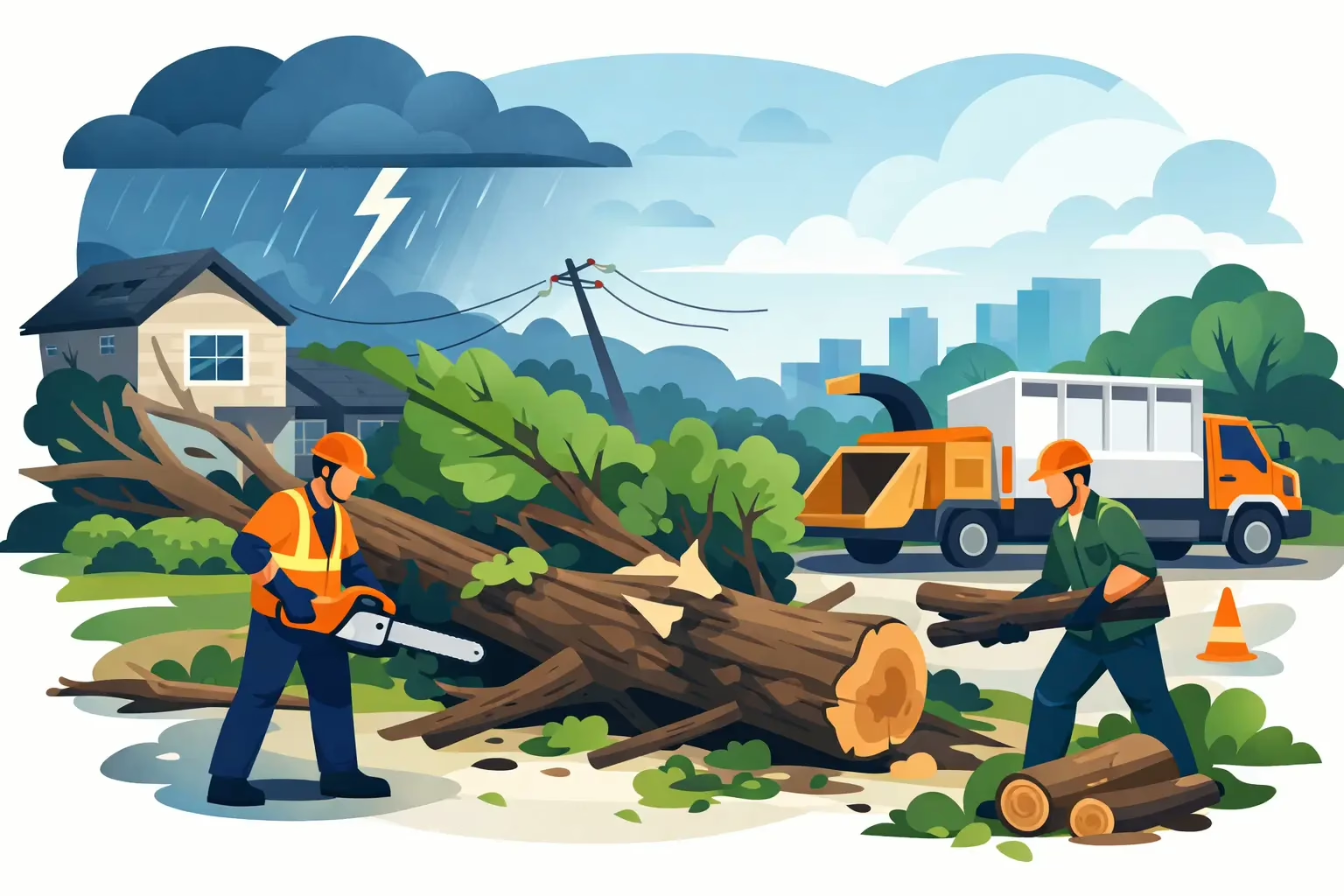
The storm has passed, but the risk usually has not. A tree that looks stable from the driveway may be hanging by split wood, tangled in utility lines, or loaded with weight that can shift without warning. That is why storm cleanup is not just about clearing a mess. It is about making your property safe again as quickly and carefully as possible.
For homeowners and property managers in Vancouver, Washington and nearby communities, fast action matters after wind, heavy rain, snow, or ice. Fallen limbs can block access, damaged trunks can threaten roofs and fences, and partially failed trees can create hazards that get worse by the hour. A professional storm damage tree cleanup service is there to assess the situation, remove immediate dangers, and restore order without adding more risk to your home.
What a storm damage tree cleanup service actually handles
Storm damage can range from a few broken limbs to a full tree failure across a driveway, garage, or yard. In some cases, the tree is down and the path is clear for removal. In others, the job is more technical because the tree is suspended, split, or resting on a structure. That difference matters.
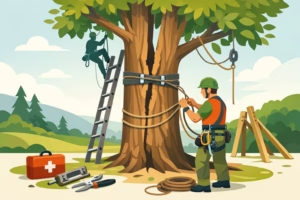
A qualified crew does more than cut and haul away debris. They evaluate how the tree failed, where the weight is sitting, what could shift during removal, and whether nearby trees were also compromised. Cleanup often includes emergency limb removal, hazardous tree removal, debris hauling, stump grinding if needed, and pruning to reduce future risk. If a tree can be saved, structural support like cabling or bracing may also be part of the conversation.
The goal is not simply to make the yard look better. The goal is to make the area safe while protecting your property from additional damage during the cleanup process.
Signs you need storm damage tree cleanup service right away
Some storm damage is obvious. If a tree is on your roof, across your driveway, or leaning hard after the storm, you already know it needs professional attention. Other warning signs are easier to miss.
A cracked trunk, hanging limbs, exposed roots, or a tree that suddenly tilts can all signal serious structural failure. Branches that are still attached but split and suspended overhead are especially dangerous because they can drop later, even when conditions seem calm. If a tree is touching or close to utility lines, the situation should be treated as an emergency.
There are also cases where cleanup should happen quickly even if the damage seems minor. Large debris piles can block access for vehicles, create trip hazards, and attract pests if left in place. More importantly, one damaged tree often means neighboring trees took stress as well. A professional inspection helps catch hidden issues before they turn into the next emergency.
Why storm cleanup is not a DIY job
After a storm, many property owners want to start clearing debris right away. That instinct makes sense, especially when a yard feels chaotic and you want your space back. But damaged trees behave differently than healthy ones, and that is where people get hurt.
A broken limb can be under tension and spring when cut. A trunk that appears grounded may still be supporting weight from another tree or a roof edge. Wet ground, slick surfaces, and unstable root systems add another layer of danger. Even smaller jobs can become serious if the wrong cut shifts the load unexpectedly.
Professional crews use the right equipment and follow established safety practices to control those risks. That includes careful rigging, proper saw work, and an organized plan for removing weight in the safest sequence. Companies that operate to ANSI standards and OSHA regulations are not using those references as marketing language. They are signaling that safety, training, and jobsite procedure matter on every call.
What to expect during the cleanup process
A good storm response starts with a clear assessment. The crew should identify immediate hazards first, such as trees on structures, suspended limbs, blocked access points, and any safety issues involving power lines. Once the site is evaluated, the cleanup plan should be based on risk, not just convenience.
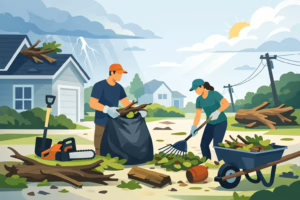
In many cases, emergency work focuses on making the property safe first. That may mean removing a tree from a roofline, taking down split leaders, or clearing a driveway so vehicles can pass. After that, the team can handle full debris removal, pruning of salvageable trees, and recommendations for any remaining hazards.
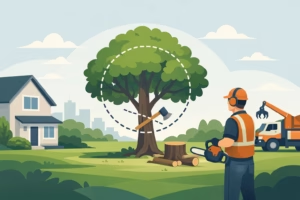
Not every storm-damaged tree has to come down. Sometimes a tree can be restored with proper pruning and structural support. Other times, removal is the only responsible option because the trunk is split, the roots have failed, or the canopy is no longer stable. The right choice depends on the species, age, damage pattern, and location of the tree.
That is one reason experience matters. Storm work is not routine trimming. It requires judgment as much as equipment.
Timing matters after a storm
The busiest period after severe weather is often the first 24 to 72 hours. During that window, crews are responding to emergency calls, roads may still be partially blocked, and property owners are trying to figure out which issues need immediate attention. If your tree damage affects safety, access, or structures, it is best to call as soon as possible.
Waiting can make the job harder and more expensive. A cracked tree can fail completely. Waterlogged wood can shift. Wind can finish what the storm started. Even if the damage seems stable, conditions change quickly.
At the same time, every property does not need the same level of urgency. A few limbs down in an open yard are very different from a tree resting on a fence or leaning toward a home. A reliable company will help you understand the difference and prioritize the work based on actual risk.
Choosing the right storm damage tree cleanup service
When you are dealing with storm damage, speed matters, but so does professionalism. It is worth asking whether the company is licensed, insured, and experienced with emergency tree work. You also want a team that can explain what they see, what needs immediate action, and what can wait.
Look for a provider with a strong local reputation and a clear commitment to safe work practices. Storm cleanup is high-risk work, so cutting corners is never a good bargain. Affordable service matters, but the lowest number is not always the safest or most complete solution.
A dependable company should also be prepared to handle more than basic hauling. Storm damage often requires technical removal, careful pruning, and a broader view of tree health across the property. If the response ends with debris gone but hazards left behind, the job is not really finished.
For local property owners, working with an established company such as M & R Tree Services can offer peace of mind because you are hiring a team that understands the region, responds when urgent help is needed, and approaches tree care with safety and professionalism at the center.
Storm damage tree cleanup service for homeowners and property managers
Different properties have different concerns after a storm. Homeowners are often focused on protecting the house, family access, and outdoor safety. Landlords and small commercial property managers may also be thinking about tenant safety, parking access, liability exposure, and keeping the property functional.
That is why clear communication matters. You should know what is damaged, what is dangerous, and what the next steps look like. A professional crew can help you make decisions quickly without pressure or confusion.
The best service calls do not leave customers guessing. They provide a realistic assessment, carry out the work safely, and leave the property in a condition that feels controlled again.
After cleanup, think about prevention
One storm cleanup often reveals problems that existed before the weather hit. Dead limbs, weak branch unions, overextended canopy growth, and unbalanced trees are more likely to fail when wind or ice arrives. That does not mean every tree near your home is a problem. It does mean routine inspections and pruning can reduce the chance of emergency damage later.
Prevention is always situation-specific. Some trees need thinning or reduction. Others may need cabling and bracing to improve support. In some cases, removal is the safest long-term choice, especially if a tree has ongoing structural issues and sits close to a home, driveway, or neighboring property.
If a recent storm exposed weaknesses on your property, it is a good time to address them before the next weather event does it for you.
When storm damage leaves your yard unsafe or uncertain, the right next step is not guesswork. It is getting a qualified tree professional on site who can make the property safer, protect what matters most, and help you move forward with confidence.