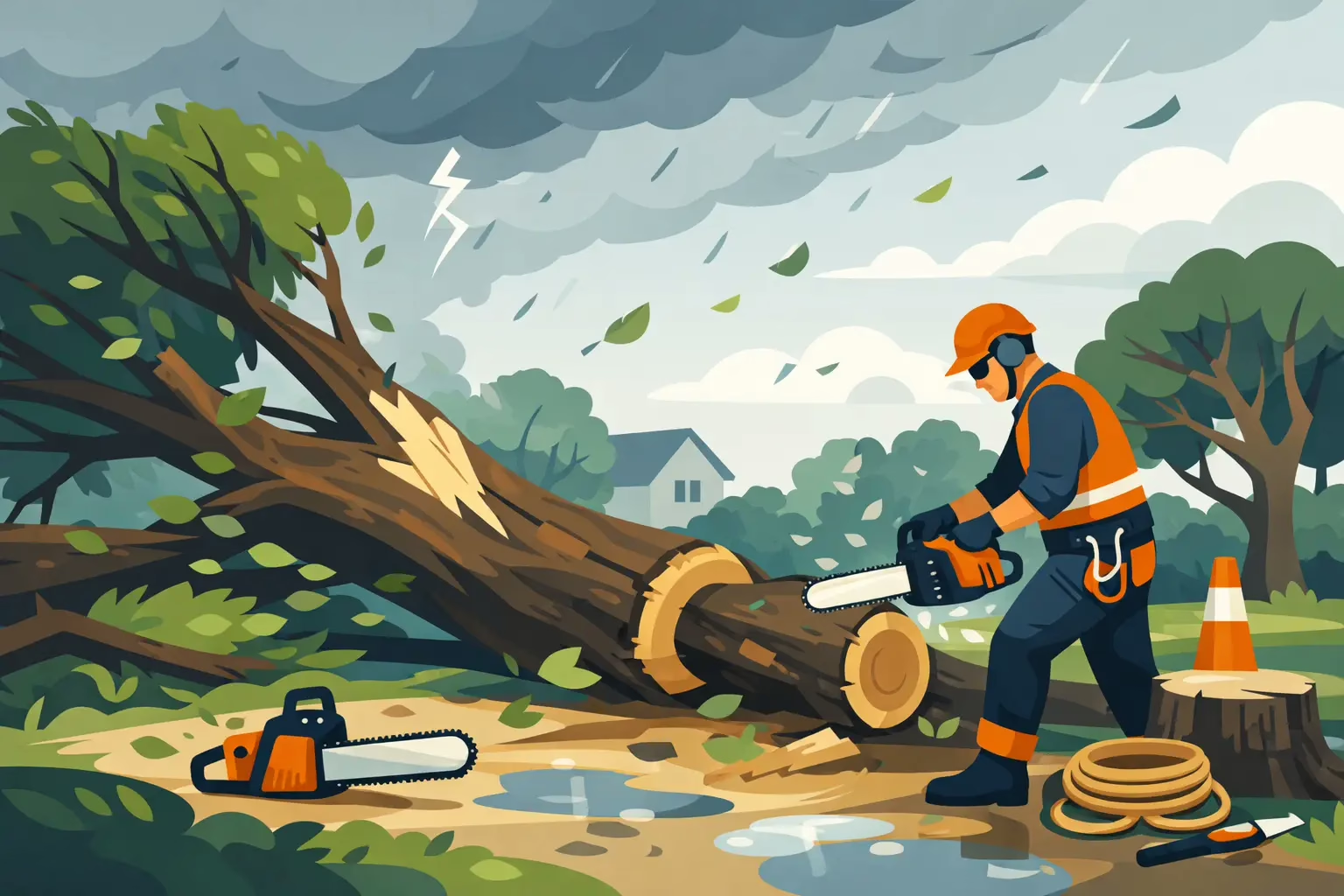
The morning after a windstorm, tree damage can look deceptively manageable. A limb may be hanging low over a driveway, a trunk may be leaning more than usual, or a split branch may seem like a quick cleanup job. When you are deciding how to handle storm damaged trees, the most important first step is not cleanup – it is recognizing what has become unsafe.
Storm-damaged trees often fail without much warning. Wood fibers can be cracked internally, root systems can be loosened underground, and limbs caught in neighboring branches can shift suddenly under tension. For homeowners and property managers, that means the smartest response is a careful one. Fast action matters, but safe action matters more.
How to handle storm damaged trees right after a storm
Start from a distance. Before walking under the canopy or near broken limbs, look for obvious hazards such as downed power lines, branches resting on roofs, split trunks, or trees leaning toward structures, sidewalks, or parked vehicles. If utility lines are involved, stay clear and contact the utility company immediately. A tree touching or even near energized lines is never a DIY situation.
If the tree has fallen on a home, garage, fence, or access point, treat it as an emergency. The same goes for large cracked limbs suspended overhead. These are high-risk conditions because weight, tension, and hidden structural damage make movement unpredictable.
If there is no immediate danger to people, pets, or access routes, avoid rushing into cutting or dragging debris. Storm cleanup injuries happen when property owners assume a branch is stable when it is actually loaded with pressure. A section of trunk that looks grounded can spring upward when cut. A hanging limb can drop as soon as nearby material is moved.
What not to do with storm-damaged trees
A lot of secondary damage happens after the storm has passed. People pull on broken limbs, climb unstable trees, or use chainsaws from ladders because they want to clear the area quickly. That is where a manageable problem can become a serious injury.
Do not try to remove large branches that are twisted into the canopy or partially attached to the trunk. Do not cut a tree that is leaning on another tree, structure, or fence. Do not assume a tree is stable just because it is still standing. Root failure is not always visible from the surface, and saturated ground can make an already compromised tree more likely to fall.
It is also worth avoiding cosmetic decisions too early. After a storm, some trees look worse than they are, while others look recoverable but are structurally unsound. Cutting too much too soon can make a surviving tree weaker. Waiting too long on a truly hazardous tree can put people and property at risk. This is one of those situations where experience matters.
Signs a tree may need emergency service
Some damage can wait for a scheduled inspection. Some cannot. If a tree has a major trunk split, exposed or lifted roots, a fresh lean after the storm, or large limbs broken over a home, driveway, or public area, it should be assessed right away.
The size of the tree matters, but location matters just as much. A moderate-sized tree over a bedroom, entrance, or neighboring property may be more urgent than a larger tree standing in an open backyard. Property managers should also factor in tenant access, walkways, parking areas, and liability exposure when deciding how quickly to respond.
Another sign of urgency is when the tree was already weak before the storm. Decay, deadwood, previous topping, hollow sections, or poor branch unions often show up as major failures during high winds or heavy rain. Storms do not create every problem – they reveal problems that were already there.
How professionals assess storm damage
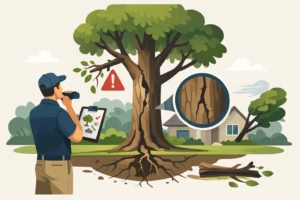
A proper storm damage assessment is more than looking at what broke. Arborists evaluate the whole structure of the tree, including the trunk, scaffold branches, canopy balance, root plate, and targets nearby. They also look for hanging limbs, bark separation, cracks at branch unions, and signs the tree has shifted in the soil.
This is where there is usually a trade-off. Some trees can be restored with careful pruning, weight reduction, cabling, or bracing. Others are too compromised to make retention a safe option. The right call depends on species, age, previous condition, extent of damage, and where the tree is located on the property.
In practical terms, a tree with minor canopy breakage may be salvageable. A tree with root plate movement or a split main stem often is not. Homeowners sometimes want to save a mature tree at all costs, which is understandable, but the safest choice is not always the one that preserves the tree.
When trimming helps and when removal is the safer option
Not every storm-damaged tree has to come down. In many cases, selective pruning can remove failed limbs, reduce end weight, and restore a safer canopy shape. This works best when the damage is limited and the remaining structure is sound.
Removal becomes more likely when the trunk is split, the root system is compromised, or the crown loss is severe enough that the tree is unlikely to recover well. Trees that have shifted toward structures, lost major structural limbs, or developed instability after saturated soil conditions are often poor candidates for repair.
There is also a long-term maintenance question. Sometimes a tree can technically remain, but only with ongoing structural support and repeated monitoring. For some property owners, that is a reasonable investment. For others, especially when the tree is close to a house or rental property, removal is the more practical and lower-risk choice.
Insurance, documentation, and cleanup decisions
If a tree has damaged a structure, vehicle, or fence, take clear photos before cleanup begins when it is safe to do so. Document the tree, the impact area, and any visible storm conditions. This can help with insurance claims and property records.
That said, documentation should never delay urgent hazard mitigation. If a limb is threatening to fall or blocking access, safety comes first. Professional tree crews can often help property owners understand what needs immediate action and what can wait until claim details are sorted out.
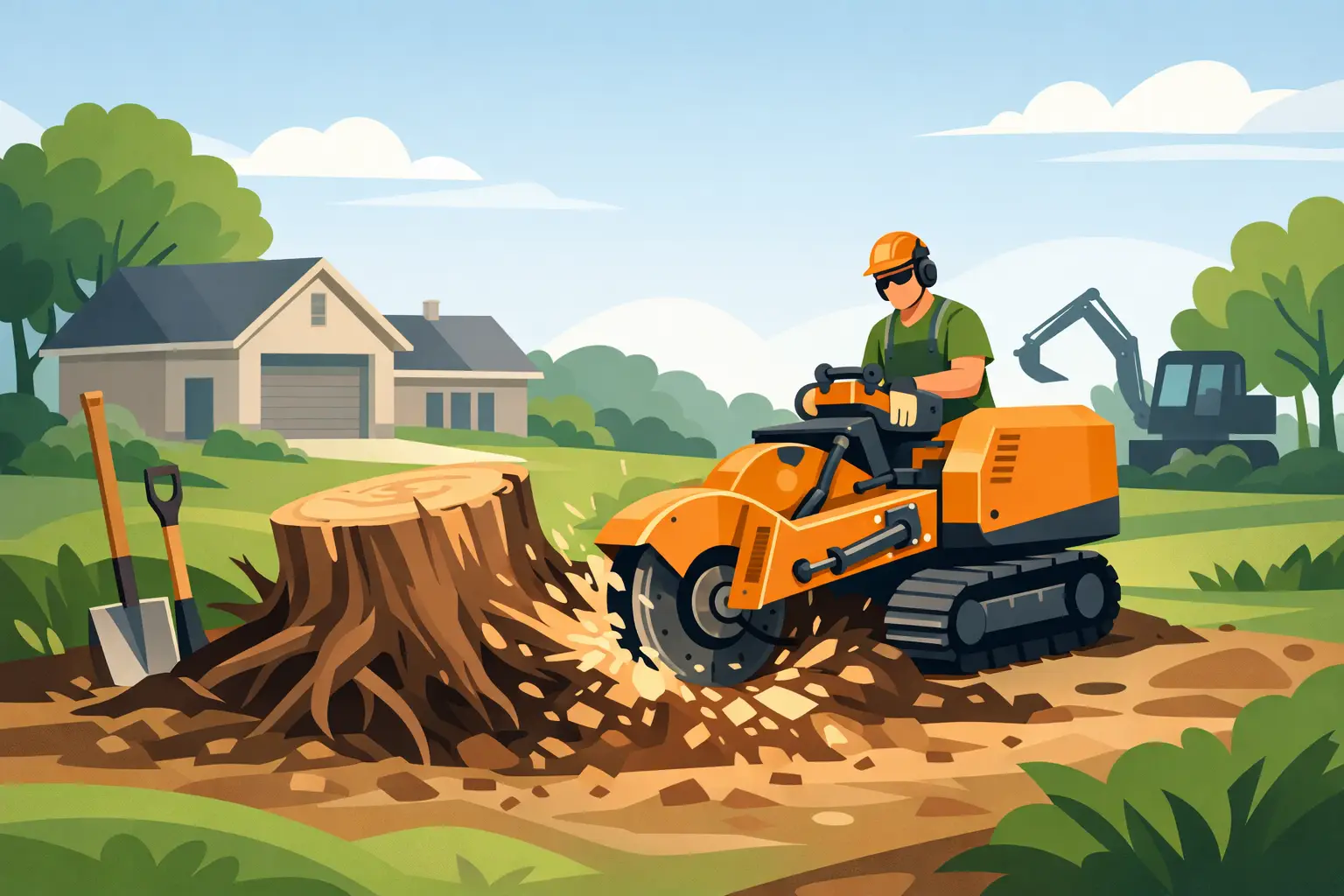
Cleanup itself should be approached in stages. Hazard reduction comes first, then debris removal, then decisions about pruning, removal, stump grinding, or structural support. Trying to handle everything at once usually creates confusion and increases risk.
Preventing the next storm problem
The best time to think about storm damage is before the next storm warning. Trees with dense overextended canopies, dead branches, included bark, weak unions, or poor past pruning are more vulnerable in wind, ice, and heavy rain. Preventive pruning can reduce weight, improve structure, and lower the chance of branch failure.
For some trees, cabling or bracing may be appropriate if they have structural weaknesses but are otherwise worth preserving. For others, regular trimming is enough to keep clearance from roofs, driveways, and walkways. It depends on species, growth habit, age, and site conditions.
This is especially relevant in the Vancouver, Washington area, where winter storms, saturated soils, and wind events can put extra stress on mature trees. A tree that looks fine in dry weather may behave very differently after prolonged rain and strong gusts.
Choosing the right help for storm-damaged trees
Storm work is not routine yard work. It requires the right equipment, technical judgment, and a safety-first process. When you hire a tree service, ask whether they handle emergency response, whether they follow ANSI standards and OSHA regulations, and whether they have experience with storm-related removals, pruning, and structural support.
You also want clear communication. A reliable company should be able to explain whether the tree can be saved, what the risks are, and what the work will involve. Fast response matters, but so does doing the work correctly.
At M & R Tree Services, we know storm damage can leave property owners dealing with urgent decisions and real safety concerns. If you need help assessing a hazardous tree, clearing storm debris, or deciding between pruning and removal, visit https://mandrtreeservices.com/ to request service or a quote.
After a storm, the goal is not just to make the yard look better. It is to make the property safe again, with decisions that hold up long after the branches are gone.