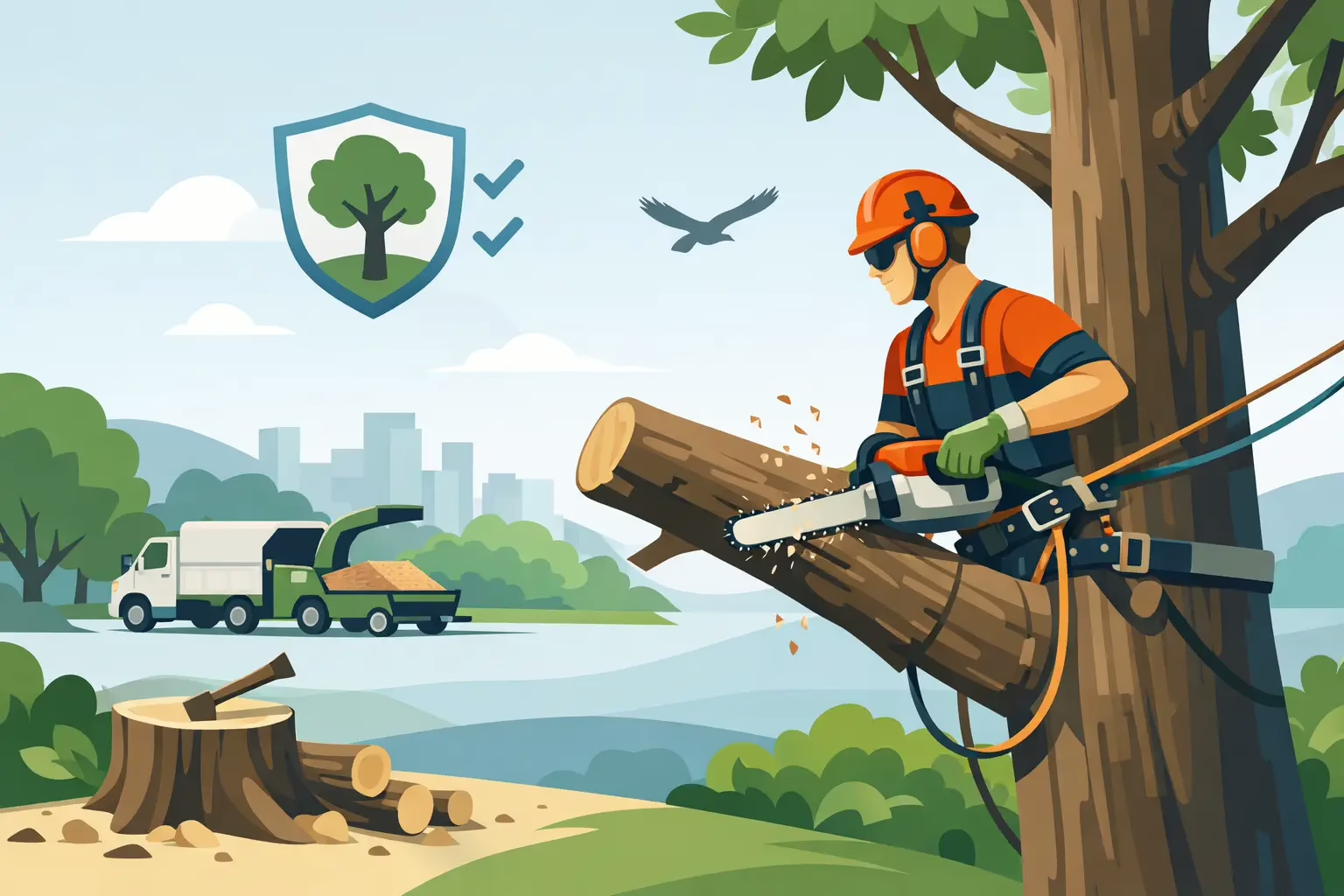
A tree can look stable for years and still become a serious risk after one windstorm, one cracked limb, or one hidden trunk defect. When that happens, the question is not just who can cut it down. The real question is who can remove it safely, legally, and without creating a bigger problem for your home, fence, roof, or neighboring property.
That is where licensed arborist tree removal matters.
For homeowners and property managers, tree removal is rarely a routine job. It usually comes up when a tree is dead, declining, storm-damaged, growing too close to a structure, or creating a hazard over driveways, sidewalks, or utility areas. In those situations, experience matters, but so do licensing, safety standards, and a clear understanding of how to remove a tree without unnecessary risk.
What licensed arborist tree removal really means
Licensed arborist tree removal is more than showing up with a chainsaw and a truck. It means the work is handled by professionals who understand tree biology, structural defects, risk factors, and the technical side of dismantling a tree in controlled sections when needed.
It also means the company is operating as a legitimate business, with the right licensing for its service area and a professional approach to safety and jobsite responsibility. For customers, that matters because tree removal often involves elevated cutting, rigging, drop-zone planning, equipment operation, and close attention to surrounding property.
Not every tree needs a full removal, and that is part of the value of working with trained professionals. A qualified team can tell the difference between a tree that can be pruned, cabled, or monitored and a tree that has reached the point where removal is the safest option.
Why licensing matters on a tree removal job
Licensing gives property owners an important layer of confidence. It shows that the company is not operating casually or taking shortcuts on high-risk work. Tree removal can involve liability issues, local requirements, and safety obligations that should never be treated as optional.
For a homeowner, the biggest benefit is peace of mind. If a large tree is leaning toward your house or a storm has split the canopy over your driveway, you want a crew that follows a professional process. That includes assessing the site, planning the removal, using the right equipment, and working in a way that protects people and property.
There is also a practical side. A properly licensed company is more likely to have established procedures, trained crew members, and a clear standard for how work gets done. That often leads to better communication, safer execution, and fewer surprises during the job.
The arborist advantage goes beyond cutting
A licensed company can remove a tree. An arborist brings a deeper level of evaluation.
That difference matters because trees fail for different reasons. Some are structurally unsound due to internal decay. Some have root damage that is not obvious from the street. Some have been stressed for years by poor pruning, compacted soil, or storm exposure. Others are simply planted in the wrong place and have outgrown the available space.
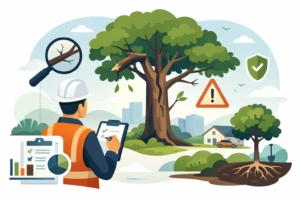
An arborist looks at the full condition of the tree before recommending removal. That can help you avoid removing a tree too soon, but it also helps prevent waiting too long when the warning signs are already there. In real-world property care, both mistakes can be costly.
A healthy mature tree can add value and shade. A failing tree can damage roofing, crush fences, block access, and create emergency conditions fast. The right assessment helps you make the right call.
When tree removal is the safer choice
Homeowners often wait until a tree becomes an obvious problem, but there are cases where early removal is the more responsible option.
A dead tree is one of the clearest examples. As wood dries out and weakens, limbs become more unpredictable and the whole structure can become more dangerous to climb or dismantle. Trees with major trunk cracks, root lifting, hollow sections, or large broken leaders may also need removal, especially if they are close to occupied areas.
Storm damage adds another layer of urgency. A tree may still be standing after a wind event, but that does not mean it is stable. Split unions, hanging limbs, and shifted root plates can all signal failure risk. In those cases, a prompt professional inspection is the safest next step.
There are also property-planning reasons for removal. Trees may interfere with foundations, encroach on structures, crowd out healthier trees, or create repeated maintenance issues. Not every one of these situations is an emergency, but they can still justify removal when the long-term risk or cost keeps growing.
How professional tree removal protects your property
Tree removal is not just about bringing a tree down. It is about controlling every stage of the process.
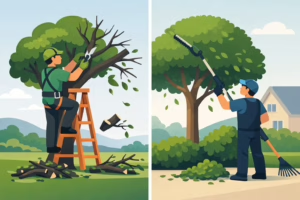
In open space, a tree might be felled in one piece. In most residential settings, that is not realistic. Trees are often surrounded by homes, garages, fences, sheds, landscaping, and neighboring lots. That means the removal may need to be done section by section using climbing systems, ropes, rigging, and carefully managed lowering methods.
This is where safety standards matter. Crews should have a plan for traffic within the work zone, debris handling, equipment placement, and protection of surrounding surfaces. The goal is not simply to finish the job. The goal is to finish it cleanly and safely.
Professional tree removal also includes recognizing what not to do. Overreaching with equipment, dropping too much weight at once, or working around compromised limbs without proper setup can turn a manageable project into a property-damage claim or injury event.
What to ask before hiring a tree removal company
If you are comparing quotes, look beyond price. Tree work is one of those services where the lowest number can become the most expensive mistake.
Ask whether the company is licensed for the area where the work will be performed. Ask how they approach safety and whether they follow ANSI standards and OSHA regulations. Ask what equipment will be used, whether the tree will be removed in sections, and what cleanup is included.
It is also smart to ask about the condition of the tree itself. A good company should be able to explain why removal is recommended, what risks they see, and whether any alternatives make sense. If the answer feels vague or rushed, that is worth paying attention to.
Clear communication is part of professionalism. You should know what is being removed, what happens to the debris, whether stump grinding is separate, and how the crew will access the work area.
Why local experience matters in Vancouver and nearby areas
Tree conditions in the Pacific Northwest can change quickly with wet weather, seasonal wind, and dense residential growth. A local company understands the common tree issues in the area and the practical challenges of working in neighborhoods with limited access, established landscaping, and storm-related damage.
That local knowledge helps with both routine removals and urgent calls. When a tree comes down across a driveway or a damaged limb is hanging over a roofline, response time and jobsite judgment matter just as much as equipment.
For property owners in Vancouver, Washington and nearby communities, working with a team that is familiar with local conditions can make the entire process smoother. M & R Tree Services focuses on safe, professional tree care with attention to licensing, ANSI standards, OSHA compliance, and dependable service that homeowners can trust when the work carries real risk.
The cost question: cheaper is not always better
Most customers want fair pricing, and that is reasonable. But tree removal should never be treated like a commodity service.
The final cost depends on the tree size, condition, location, access, and complexity of the removal. A tree suspended over a house or wedged between structures requires a very different approach than a small tree in an open yard. Emergency jobs can also carry different pricing because they require rapid response and often involve unstable conditions.
A professional quote should reflect the actual risk and labor involved. If one estimate is dramatically lower than the others, it is fair to ask why. Sometimes the answer is efficiency. Other times, it means corners are being cut on crew size, safety practices, or cleanup.
For most property owners, value means getting the job done correctly the first time, with no damage, no confusion, and no lingering hazard left behind.
Choosing confidence over guesswork
When a tree becomes a hazard, delay usually does not make the situation cheaper or safer. It just narrows your options. A leaning trunk, exposed roots, dead canopy, or storm-damaged structure deserves a professional opinion before it turns into a larger property problem.
Licensed arborist tree removal gives you more than removal alone. It gives you informed judgment, accountable service, and a safer path forward when the stakes are high. If you are dealing with a tree that no longer feels secure, getting a professional assessment now is often the simplest way to protect your home and move forward with confidence.