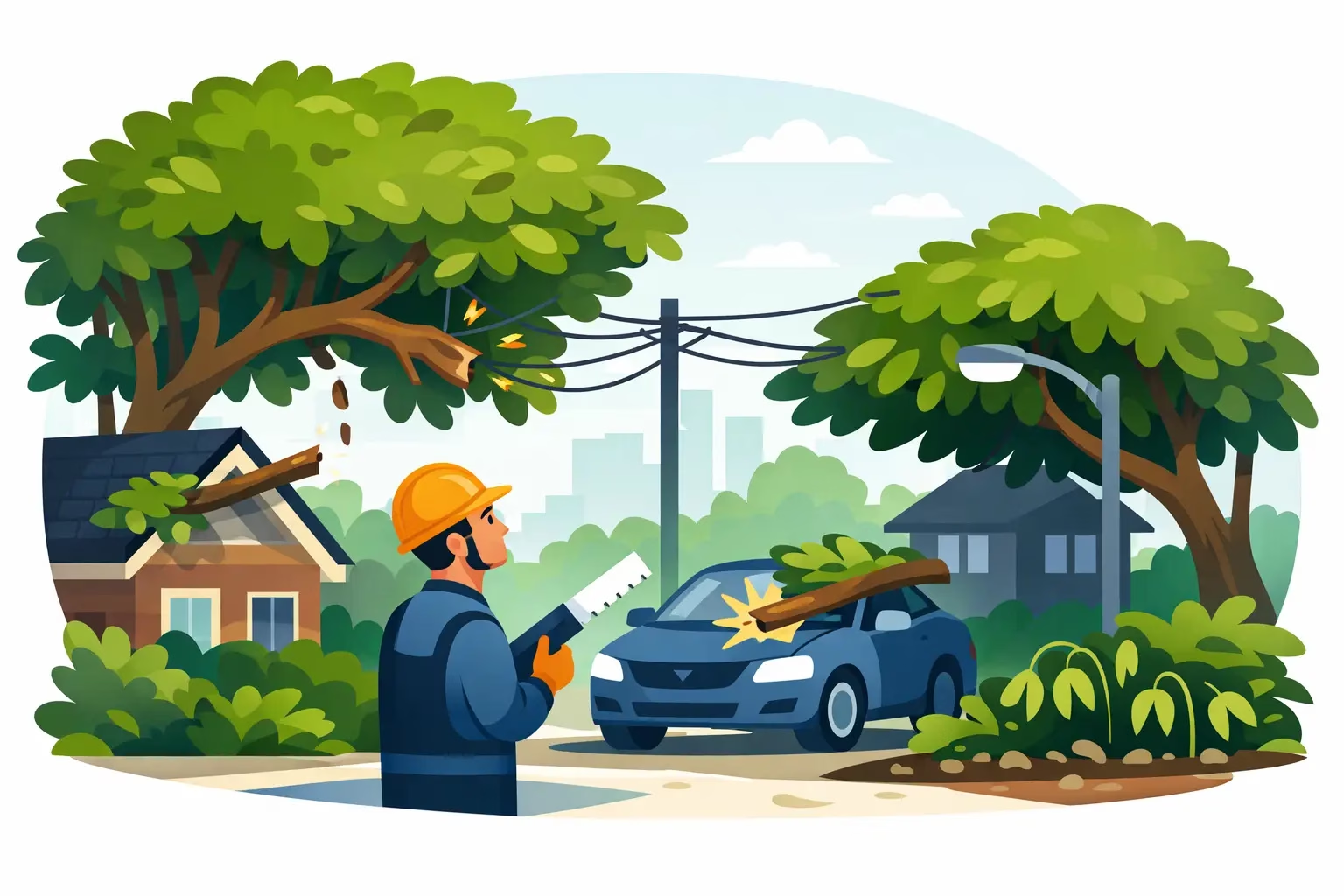
A tree canopy can look full and healthy from the street while creating serious risks above your home, driveway, or sidewalk. Overgrown tree canopy problems often develop gradually, then become urgent after a heavy rain, windstorm, or unexpected branch failure. For Vancouver-area property owners, prompt professional evaluation can protect people, structures, and the long-term health of the tree.
What Makes an Overgrown Canopy a Problem?
A canopy is considered overgrown when its branches have expanded beyond a safe, healthy, or manageable structure. That might mean limbs rubbing against a roof, low branches blocking a driveway, dense growth preventing light and airflow, or heavy limbs extending too far from the main trunk.
Not every large tree needs aggressive trimming. Mature trees provide shade, privacy, and property value, and unnecessary cutting can cause avoidable stress. The concern is whether the canopy has developed structural weaknesses, conflicts with nearby structures, or conditions that increase the chance of failure.
In the Pacific Northwest, long wet seasons can add weight to foliage and expose weak branch unions. Wind can then place extra pressure on limbs that are already overextended or poorly attached. A professional pruning plan addresses those risks without stripping the tree of the canopy it needs to remain healthy.
Common Overgrown Tree Canopy Problems
Roof and gutter damage
Branches resting on a roof can scrape shingles, wear down roofing materials, and create access points for moisture. Even branches that do not touch the roof may drop leaves, needles, twigs, and moss-supporting debris into gutters and valleys. Over time, blocked drainage can contribute to water overflow, siding damage, and foundation issues.
A reasonable clearance depends on the tree species, branch movement, roof design, and local conditions. A qualified tree crew can reduce the canopy away from the structure while preserving balanced growth rather than simply cutting every branch back to the same line.
Low visibility and restricted access
Overgrown limbs can block sightlines near driveways, intersections, walkways, and parking areas. They may obscure address numbers, exterior lighting, security cameras, or signage at rental and small commercial properties. Low branches can also interfere with delivery vehicles, moving trucks, and routine access for maintenance crews.
This is more than a cosmetic concern. Poor visibility increases the chance of vehicle and pedestrian accidents, especially during dark, wet weather. Pruning for clearance helps maintain a usable property without removing more of the tree than necessary.
Weak, crowded, or crossing branches
Dense canopies often hide structural concerns. Branches may cross and rub, causing wounds in the bark that invite decay and pests. Multiple stems growing from the same point can compete for space, and narrow branch unions may be more likely to split as the limbs get larger and heavier.
Deadwood is another issue frequently concealed within crowded growth. A dead limb can remain lodged in a canopy for months before falling during wind or rain. Because its condition is difficult to judge from the ground, high-risk tree work should be handled by trained professionals with the right equipment and safety procedures.
Reduced light and airflow
When a canopy becomes too dense, the inner branches receive less sunlight and air circulation. This can lead to thinning inside the crown, weakened growth, and conditions favorable to certain fungal issues. Dense shade may also affect the lawn, garden beds, and moisture levels around the home.
Selective thinning can improve airflow and reduce excessive weight, but it must be done carefully. Removing too much interior growth at once can stress the tree and encourage weak, fast-growing replacement shoots. The goal is a healthier, better-balanced crown, not a bare-looking tree.
Utility line conflicts
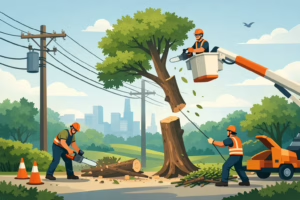
Trees growing near power lines, service drops, or communication lines require special caution. Branches can interfere with service, create hazards during storms, and make routine utility work more difficult. Property owners should never attempt to prune branches near energized lines themselves.
If branches are close to primary electrical lines, contact the utility provider first. For other line-clearance concerns, a professional tree service can assess what work can be safely completed and coordinate the proper approach. OSHA-compliant practices matter whenever elevated work, equipment, and electrical hazards are involved.
Storm damage and emergency failures
An overextended canopy can act like a sail in high winds. Healthy-looking branches may fail when wet foliage, wind force, decay, or poor attachment points combine. The risk is greater when a canopy hangs over bedrooms, garages, fences, vehicles, or neighboring property.
Warning signs include fresh cracks, hanging limbs, suddenly drooping branches, exposed wood, and a tree that has shifted after a storm. Keep people away from the area and arrange an emergency assessment. Do not stand beneath a damaged limb or try to pull it down with a rope, ladder, or vehicle.
When Pruning Is the Right Solution
Professional pruning is often the best answer when a tree is fundamentally healthy but needs improved clearance, weight reduction, or structural correction. Proper pruning can remove dead, damaged, diseased, crossing, and poorly placed branches while maintaining the natural shape of the tree.
The timing depends on the species and the reason for the work. Dead or hazardous limbs should be addressed promptly regardless of season. Routine structural pruning may be scheduled at a time that supports the tree’s health and limits stress. A local arboricultural professional can recommend the right scope of work after examining the tree, its growth pattern, and its surroundings.
ANSI pruning standards are especially valuable here. They help guide decisions about cut size, branch retention, crown reduction, and overall tree health. A quick, indiscriminate trim may seem less expensive at first, but poor cuts can create decay, unbalanced regrowth, and future hazards.
When Removal or Tree Support May Be Needed
Pruning has limits. If a tree has significant decay, extensive storm damage, root instability, or major structural defects, reducing the canopy may not make it safe enough. In those cases, removal may be the responsible choice, particularly when the tree could damage a home or endanger people below.
Some trees can benefit from cabling and bracing when they have valuable but vulnerable limbs or co-dominant stems. Structural support is not a substitute for proper pruning or a cure for severe decline. It is a specialized option that should follow a careful inspection and a realistic discussion of ongoing maintenance.
For property owners, the key is not to wait until a large limb is hanging over the roof. A professional assessment can identify whether selective pruning, structural support, removal, or storm cleanup is the appropriate next step.
Avoid These Risky Canopy “Fixes”
Topping is one of the most damaging responses to an overgrown canopy. This practice cuts large branches back to stubs or removes most of the crown at once. The tree may respond with dense, weakly attached shoots that grow quickly and create a larger problem later. It can also expose bark and internal wood to sun damage, decay, and insect activity.
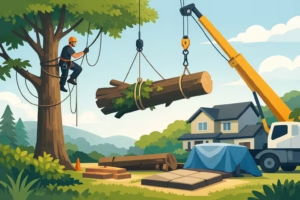
Homeowners should also avoid climbing with a chainsaw, using ladders near branches, or cutting limbs that are under tension. A branch can swing, split, or fall unpredictably. The risk rises sharply around homes, fences, utility lines, and confined backyards where there is little room to safely lower material.
Professional crews use planned cuts, proper rigging when needed, protective equipment, and controlled work zones. M & R Tree Services approaches tree work with safety standards, clear communication, and respect for your property from start to finish.
A Safer, Healthier Canopy Starts With an Inspection
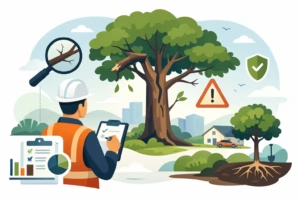
Walk your property after major weather changes and look for limbs touching structures, deadwood, unusual leaning, dense growth over walkways, or branches approaching utility lines. Photos can be helpful, but an on-site inspection provides the clearest picture of canopy condition and risk.
If your tree has grown beyond its space, timely pruning is usually safer and more affordable than waiting for storm damage. Schedule a professional evaluation before the next season of wind and rain puts an overgrown canopy to the test.