
The morning after a windstorm, a tree can look mostly intact and still be dangerous. That is what makes storm damage tree hazards so serious for homeowners and property managers. A cracked limb may be hanging by a strip of wood, roots may have shifted below the surface, or a split trunk may be under tension and ready to fail without much warning.
When storms move through Vancouver and nearby communities, the damage is not always obvious from the driveway. Heavy rain softens soil. Gusts twist large canopy limbs. Saturated root zones can reduce stability fast, especially with mature trees close to homes, fences, parked vehicles, and power lines. If a tree was already stressed by decay, poor structure, or previous pruning issues, bad weather can turn a manageable problem into an urgent safety concern.
What storm damage tree hazards look like
Some hazards are easy to spot. A large branch over a roof, a leaning trunk, or fresh debris across the yard are clear signs that a tree needs attention. Other issues are less visible but just as risky. Storms can create internal cracks, partial root failure, and canopy imbalance that weakens the tree after the weather clears.
One common problem is a hanging limb, often called a widowmaker. These branches may stay lodged in the canopy after breaking. They can drop hours or even days later, especially when the wind picks up again. Another concern is a trunk split, where two stems separate under pressure. In some cases the tree remains standing for the moment, but the structural failure has already started.
Root damage is also a major factor. If the ground around the base is heaving, cracking, or lifting on one side, the tree may be losing anchorage. A tree does not need to be fully uprooted to become unsafe. Even a slight lean that appeared after a storm can point to a high risk of failure.
Why damaged trees are more dangerous than they appear
Storm-damaged trees rarely fail in a clean or predictable way. Wood fibers can be bent, twisted, or loaded with pressure. That means the next movement can be sudden. A branch that seems stable can swing free. A trunk under tension can split further during cleanup. This is one reason post-storm tree work is not routine yard maintenance.
There is also the issue of delayed failure. Property owners sometimes assume that if the tree made it through the storm, it is safe enough to leave alone. That is not always true. Structural damage can worsen over the next several days as the canopy dries, the soil shifts, or another round of wind hits. Trees near houses, garages, sidewalks, driveways, and neighboring properties deserve a prompt professional assessment.
Location matters too. The same broken limb is a different level of hazard depending on where it is hanging. Over a lawn, it may still be dangerous. Over a front entry, children’s play area, or parked car, the urgency is much higher. Trees in tight residential spaces require careful planning because removal or pruning often has to be done around structures and utility considerations.
The most common post-storm warning signs
After severe weather, property owners should look at trees from a safe distance. Do not walk under damaged limbs or approach a tree that is leaning toward a target. A basic visual check is useful, but it should stay well within safe limits.
The warning signs that most often point to serious storm damage tree hazards include freshly cracked branches, split trunks, exposed or lifting roots, sudden leaning, limbs resting on roofs, and canopy sections that look twisted or torn. You may also notice bark stripped away, scattered wood fibers on the ground, or a tree that now appears lopsided after losing a major limb.
Not every damaged tree has to be removed. That depends on the species, the extent of the damage, the tree’s health before the storm, and its location on the property. In some cases, targeted pruning can restore clearance and reduce risk. In others, cabling or bracing may help support a structurally weaker tree. But when the trunk is badly compromised, the root plate is failing, or the tree is threatening a structure, removal is often the safer choice.
Why homeowners should not handle storm-damaged trees themselves
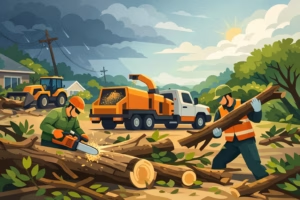
It is understandable to want to clear the yard quickly after a storm. Fallen twigs and small debris are one thing. Damaged limbs under tension and partially failed trees are another. Chainsaw work on storm-damaged wood is one of the more hazardous types of tree service because the material can shift without warning.
The biggest risks include kickback, falling limbs, unstable footing on wet ground, and hidden contact with utility lines. Even when lines are not visibly down, a branch resting near electrical service should be treated as a serious hazard. Work around storm damage should be handled with the right equipment, trained crews, and safety procedures that meet recognized standards.
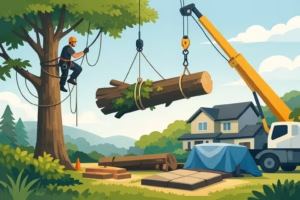
That is where professionalism matters. A qualified tree service should approach storm cleanup with a clear plan, proper rigging, and attention to ANSI and OSHA safety requirements. This is not just about getting the tree down. It is about doing the work in a way that protects people, structures, and the rest of the property.
What a professional assessment should cover
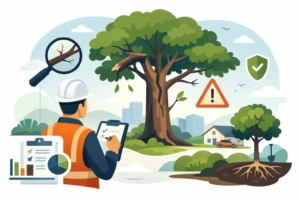
A proper storm response starts with identifying immediate hazards. The first question is whether the tree or any broken part of it is likely to fail soon and what it could hit if it does. From there, the condition of the trunk, canopy, and root system should be evaluated.
An experienced crew will look at how the tree is loaded, where the weight is concentrated, and whether there is visible cracking, decay, or soil movement. They should also consider the tree’s species and growth habit. Some trees recover better from limb loss than others. Some become unstable quickly once a major leader is damaged.
The right recommendation depends on the situation. If the damage is isolated and the structure is still sound, pruning may be enough to remove broken material and reduce end weight. If the tree has a structural defect that existed before the storm, support systems may be worth discussing. If the damage has created a clear threat to the home or surrounding area, emergency removal is often the best option.
Storm damage tree hazards and insurance questions
Many property owners are unsure when to call their insurer versus when to call a tree service. The answer depends on what happened. If a tree or branch has already struck the house, garage, fence, or another insured structure, documentation matters and insurance may be involved. If the tree is damaged but has not caused direct property damage, coverage can vary.
Either way, fast action is still important when safety is involved. Waiting too long can allow the damage to spread or create a larger loss. It helps to have a professional document the condition of the tree, explain the urgency, and perform the necessary work safely.
Local conditions make storm response more urgent
In the Pacific Northwest, storm patterns often combine wind with saturated soil. That mix increases the chance of root instability, especially with larger trees and trees growing in confined residential spaces. Add existing defects such as co-dominant stems, decay pockets, or overextended limbs, and a storm can expose weaknesses quickly.
For homeowners in Vancouver, Washington and nearby areas, the safest approach is to treat any newly leaning tree, hanging limb, or cracked trunk as urgent until proven otherwise. M & R Tree Services responds to these situations with the kind of safety-first, standards-based approach that high-risk tree work demands.
What to do right after a storm
Start by keeping people and pets away from the area. Do not park under a damaged tree, and do not try to pull down a hanging branch. If there is any chance of utility involvement, keep your distance and contact the appropriate utility provider right away.
Then arrange for a professional inspection as soon as possible. Quick action can prevent secondary damage and reduce the chance of an unexpected failure. It also gives you a clearer answer on whether the tree can be saved, needs structural support, or should be removed before it causes harm.
A storm does not have to bring a tree down completely to create a real hazard. If something looks off after high winds or heavy rain, trust that instinct and have it checked. A timely response is often the difference between controlled cleanup and a much larger emergency later.