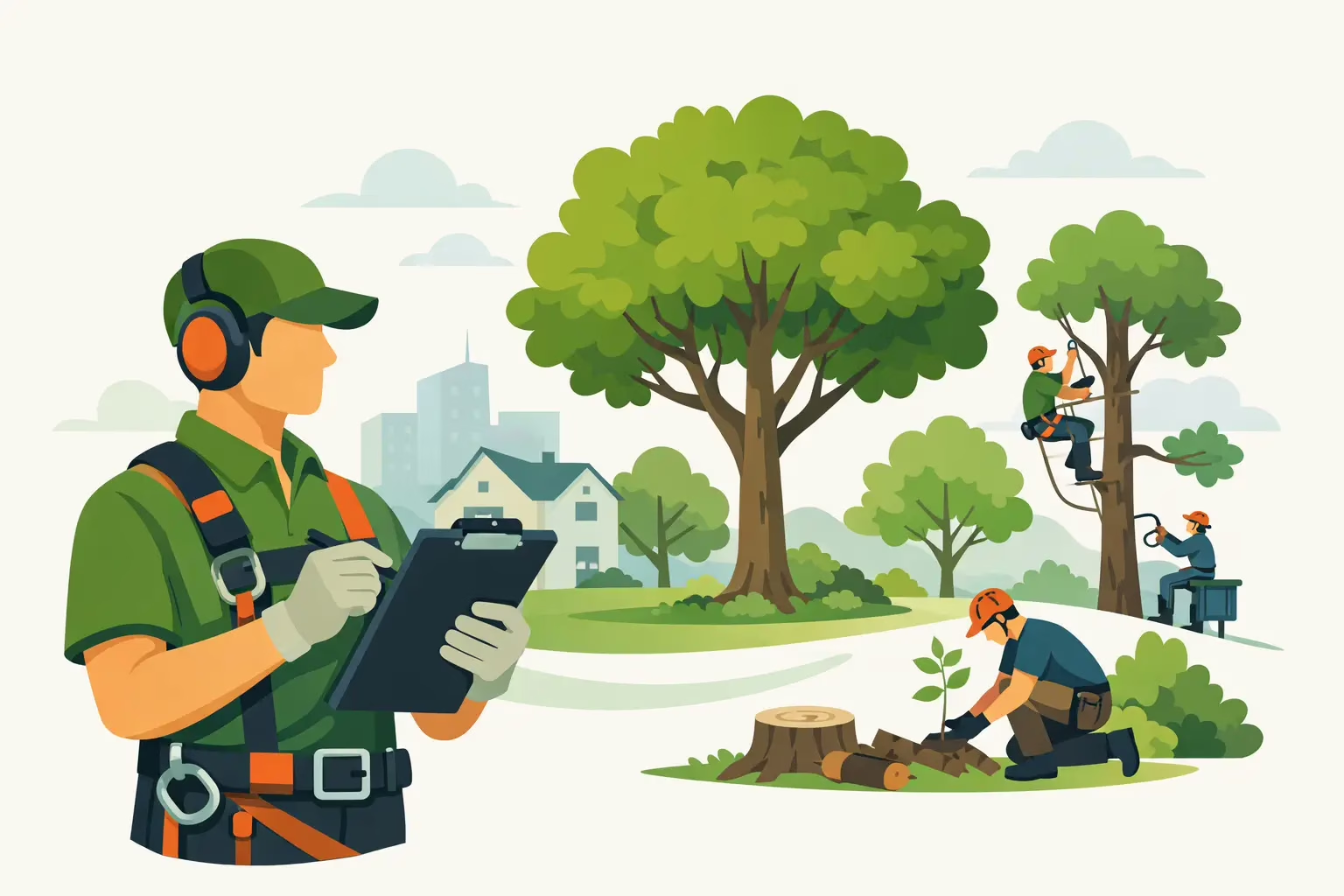
A tree can look stable from the ground and still have hidden decay, weak branch unions, or storm damage that makes it dangerous. That is one of the biggest reasons why hire a certified arborist is such an important question for homeowners and property managers. When tree work affects safety, property value, and long-term tree health, the person doing the job needs more than a chainsaw and a truck.
Certified arborists are trained to assess trees as living systems, not just as obstacles to cut back or remove. That difference matters. A healthy tree can add shade, curb appeal, and value to a property. A neglected or improperly pruned tree can become a liability fast, especially during high winds, heavy rain, or ice events common in the Pacific Northwest.
Why hire a certified arborist instead of a general tree crew?
Not every company offering tree work brings the same level of training. Some crews are experienced with cutting and hauling, but certification adds a layer of professional knowledge that goes beyond basic labor. A certified arborist has studied tree biology, pruning standards, diagnosis, risk assessment, and proper care practices.
That means the recommendation you receive should be based on what is best for the tree, the site, and the people around it. In some cases, removal is the right call. In others, strategic pruning, cabling, bracing, or health-focused maintenance may solve the problem without losing the tree. A trained arborist helps you avoid unnecessary work as well as delayed action on truly hazardous issues.
For property owners, that usually leads to better decisions and fewer expensive surprises. You are not just paying for someone to complete a task. You are paying for judgment.
Safety is the first reason why hire a certified arborist matters
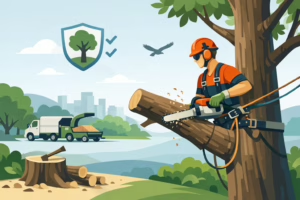
Tree work is high-risk work. Large limbs can fail unpredictably, climbing requires specialized equipment and training, and cuts made in the wrong sequence can put homes, fences, vehicles, and people at risk. If the tree is near power lines, structures, or a public area, the risk goes up even more.
A certified arborist understands how to evaluate those hazards before work starts. That includes looking at weight distribution, decay pockets, structural defects, rigging needs, drop zones, and how the tree may react under tension. Safe tree care is not guesswork.
For homeowners, this matters because the cheapest bid is rarely the safest bid. A lower price may leave out proper equipment, crew training, insurance coverage, or industry-standard work practices. Professional tree care should be performed with safety at the center, including compliance with recognized standards such as ANSI practices and OSHA regulations. That protects the crew, your property, and everyone nearby.
Tree health depends on proper diagnosis
One of the most common problems in tree care is treating the symptom instead of the cause. A tree may be dropping limbs, leaning, thinning out, or showing deadwood, but those signs can point to very different issues. Poor soil conditions, root damage, pests, disease, drought stress, construction impact, and structural weakness can all produce similar outward symptoms.
A certified arborist is trained to look deeper. Instead of recommending aggressive trimming just because a tree looks overgrown, they can determine whether pruning will actually help or whether the tree is stressed in ways pruning could make worse.
This is especially important with mature trees. Over-pruning an older tree can reduce energy reserves and increase sun exposure on limbs that were never meant to handle it. On the other hand, delaying action on a tree with decay or split leaders can create a serious hazard. Good tree care depends on accurate diagnosis first, then the right service.
Proper pruning is more technical than most people realize
Many property owners assume pruning is straightforward – cut back what looks messy and remove what seems too low or too long. In reality, poor pruning can cause long-term damage. Topping, flush cuts, lion-tailing, and excessive canopy removal can weaken a tree, encourage unstable regrowth, and shorten its lifespan.
A certified arborist knows where to cut, how much to remove, and when pruning should happen. They understand branch collar preservation, canopy balance, clearance needs, structural pruning goals, and species-specific growth patterns. That matters for both appearance and safety.
The trade-off is that good pruning may look more conservative than some customers expect. If a crew removes too much all at once, the tree may look cleaner for a short time, but the long-term result can be stress, decay, and poor regrowth. Professional pruning aims for a healthier tree, not just a faster visual change.
Certified arborists help you make the right call on removal
Sometimes a tree cannot be saved. Severe decay, root instability, storm damage, or structural failure may leave removal as the safest option. But removal should be based on condition and risk, not convenience alone.
This is another reason why hire a certified arborist is the right question to ask before approving major work. A trained professional can explain whether the tree is truly hazardous, whether mitigation is possible, and what factors make removal necessary.
That kind of guidance is valuable because tree removal is permanent. Once the tree is gone, it is gone. If pruning, cabling, or monitoring can safely preserve it, many property owners prefer that route. If the tree poses a real threat to the home or surrounding landscape, you want confidence that removal is justified and handled correctly.
Storm damage and emergency response require trained judgment
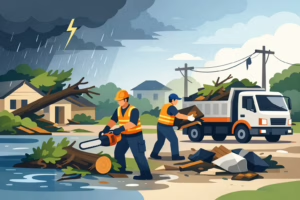
After a storm, a damaged tree may look like an obvious cleanup job. But broken tops, hanging limbs, split trunks, and partially uprooted trees can behave unpredictably. What appears stable can shift suddenly once weight is moved or tension is released.
In those situations, certified expertise matters as much as equipment. A trained arborist can assess whether the tree can be stabilized, whether emergency removal is needed, and how to complete the work without creating additional damage.
For local homeowners in Vancouver, Washington and nearby communities, this is not a minor issue. Wind and storm events can turn routine tree concerns into urgent hazards overnight. Fast response matters, but so does knowing the crew arriving on site understands both emergency procedures and proper tree care standards.
Professional standards protect your property
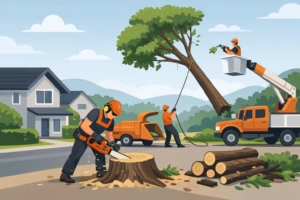
Tree work affects more than the tree itself. Nearby roofs, driveways, utility lines, gardens, fencing, and neighboring properties all come into play. A certified arborist approaches the job with planning, not improvisation.
That includes understanding how to work in tight access areas, how to protect surrounding structures, and how to reduce the chance of collateral damage. It also means recognizing when additional support systems such as cabling or bracing can help preserve a structurally weak tree rather than removing it outright.
For landlords and property managers, this level of professionalism can reduce exposure to tenant complaints, emergency repairs, and preventable property damage. For homeowners, it offers peace of mind that the work is being done for the right reasons and in the right way.
The lowest price is not always the best value
Budget matters. Most property owners want fair pricing, and that is reasonable. But tree care is one of those services where cutting corners can cost more later. Improper pruning can lead to weak regrowth. Missed decay can lead to a failed limb. Inadequate cleanup after storm damage can leave hidden hazards behind.
Hiring a certified arborist often means paying for experience, knowledge, and safer execution. That does not mean the highest price is automatically the best choice. It does mean you should compare bids based on qualifications, standards, insurance, scope of work, and the quality of the recommendation, not just the number at the bottom.
A dependable local company should be able to explain what work is needed, why it is recommended, and how it will be done. That kind of clarity builds trust and helps you make a smart decision for your property.
When certification matters most
There are some situations where hiring a certified arborist is especially worthwhile. If a tree is close to your home, showing signs of decline, damaged after a storm, or large enough to cause major loss if it fails, professional evaluation is the responsible next step. The same goes for trees with split trunks, leaning growth, exposed roots, dead upper canopy, or recurring branch drop.
Even routine maintenance benefits from certified oversight when the goal is long-term tree health instead of short-term cleanup. That is why many homeowners choose experienced companies like M & R Tree Services for pruning, removals, structural support, and emergency response. The value is not just in getting the job done. It is in getting it done safely, correctly, and with care for the property as a whole.
When a tree becomes a concern, the right question is not simply who can cut it. It is who can assess the risk, protect the property, and recommend the best path forward with confidence.