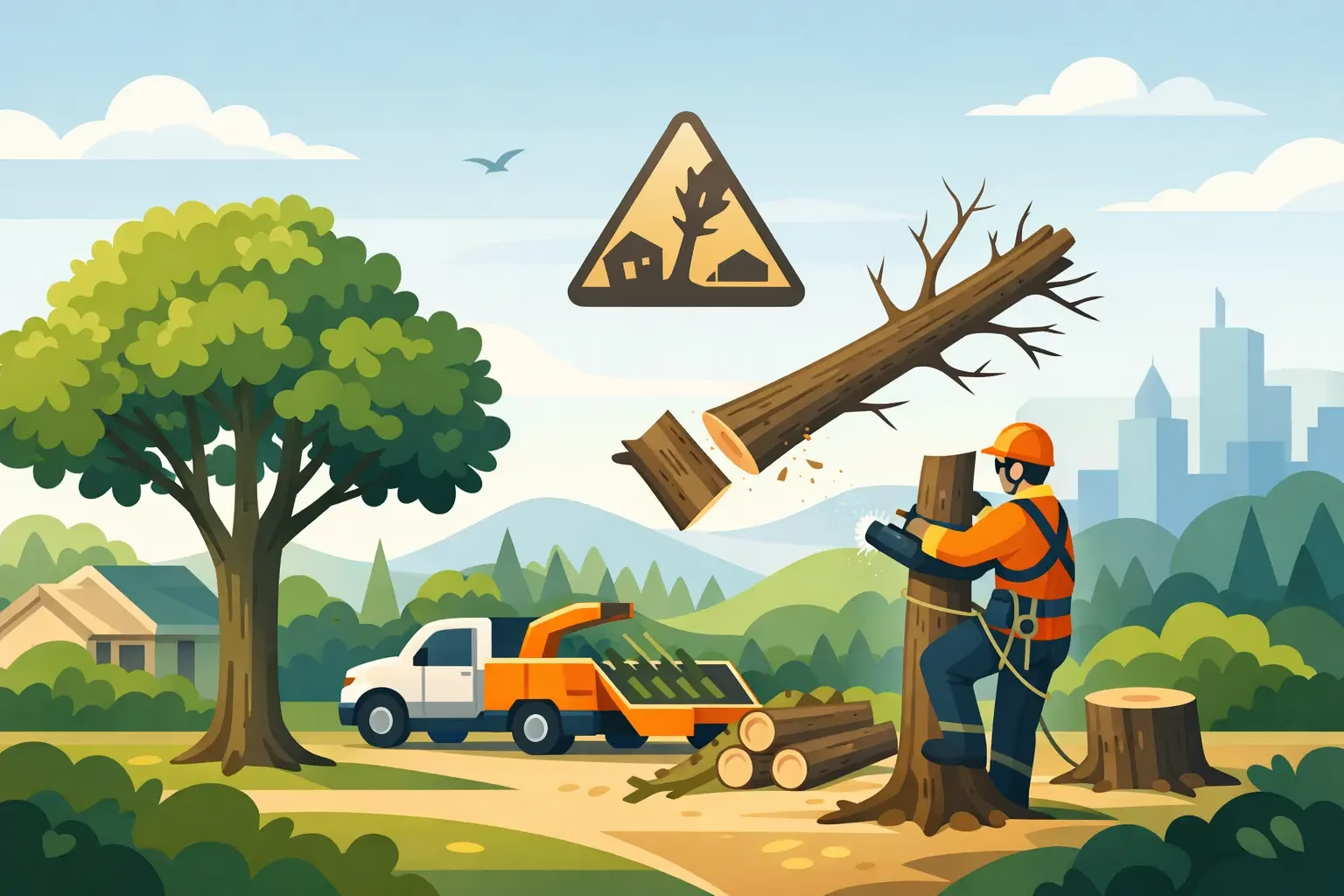
A tree can look healthy from the street and still pose a serious risk to a home, driveway, fence, or the people using the property. Tree removal is often a last resort, but when a tree is dead, unstable, severely damaged, or growing too close to a structure, removing it may be the most responsible way to protect your property.
For homeowners and property managers in Vancouver, Washington, the decision is rarely just about appearance. Our wet winters, wind events, mature neighborhood trees, and changing soil conditions can expose weaknesses that have been building for years. A qualified tree care professional can assess the whole situation, explain the risk clearly, and perform the work with the planning and equipment that high-risk tree work requires.
Signs Tree Removal May Be Necessary
Some tree concerns are visible right away. A tree that has fallen, split down the trunk, or is leaning suddenly after a storm needs prompt professional attention. Other warning signs develop gradually and are easier to overlook until a major limb fails.
Dead branches throughout the canopy, peeling bark, large cavities, fungal growth around the base, and extensive insect damage can all indicate decline. Cracks where large limbs join the trunk are another concern, especially when those limbs hang over a roof, parking area, walkway, or play space. Roots that are lifting soil, damaging pavement, or pulling away from the ground on one side of the tree may signal instability.
A lean is not automatically dangerous. Many trees grow with a natural lean and remain structurally sound for decades. What matters is whether the lean is new, whether the root plate is moving, and what sits within the potential fall zone. This is where an on-site assessment matters more than a quick visual judgment.
Tree removal may also be appropriate when a tree has outgrown its location. Trees planted too close to a house, utility lines, septic areas, retaining walls, or neighboring structures can create ongoing hazards and costly maintenance problems. Pruning can often provide clearance, but it cannot correct every poor planting location or structural defect.
Removal Is Not the Only Answer
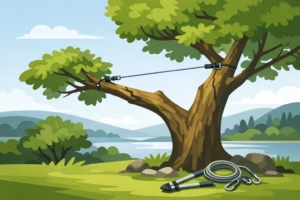
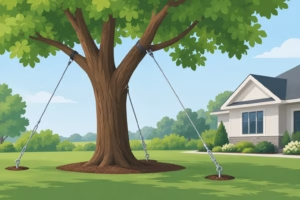
The right recommendation depends on the tree’s condition, its location, and the level of risk it presents. A healthy tree with overextended limbs may benefit from proper pruning rather than removal. A tree with weak limb attachments may be a candidate for cabling and bracing if the structure is otherwise sound. Stump grinding can address the remaining hazard after removal, but it does not replace a thorough plan for the tree itself.
Professional tree care should not treat every overgrown tree as a removal job. Retaining a healthy, well-placed tree can provide shade, privacy, stormwater benefits, and curb appeal. The goal is to make an informed decision based on safety, long-term property needs, and the tree’s realistic potential to remain stable.
That said, delaying removal of a clearly hazardous tree can make the project more complicated and expensive. A tree that can be safely dismantled in planned sections today may become an emergency after high winds, heavy rain, or a limb failure. Acting before the situation becomes urgent gives you more control over scheduling, access, and property protection.
What Professional Tree Removal Involves
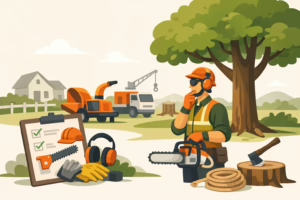
Safe tree removal is a controlled operation, not simply cutting a trunk at ground level. Before work begins, the crew evaluates the tree’s height, species, health, lean, surrounding structures, access points, utility proximity, and safe drop zones. They also consider where equipment can be placed without damaging landscaping, irrigation, hardscaping, or nearby property.
For a small tree in an open yard, removal may be relatively straightforward. For a large tree over a home, garage, fence, or narrow side yard, the process is more technical. Climbers, ropes, rigging systems, aerial equipment, and carefully planned cuts may be needed to lower branches and trunk sections in controlled pieces. Each cut affects the tree’s balance, so the sequence matters.
A professional crew also manages the area below the work. Vehicles, outdoor furniture, gates, and breakable items may need to be moved. Access routes should be protected, and the work zone should remain clear of residents, pets, and visitors. If overhead utility lines are involved, the job may require coordination with the utility provider or specialized line-clearance professionals.
At M & R Tree Services, removal work is approached with the safety standards homeowners should expect. Following ANSI practices and OSHA requirements helps ensure that the crew, your home, and the surrounding property are treated with care throughout the project.
Why Experience Matters Around Homes
The difference between a routine removal and a difficult one is often not obvious until the crew arrives. Tight access, hidden decay, a tree growing between structures, sloped ground, or a compromised trunk can change the plan quickly. Experienced professionals know how to recognize these conditions before a cut is made and adjust the method accordingly.
This is also why tree removal is not a practical do-it-yourself project. Chainsaws, ladders, falling wood, and unpredictable tree movement create serious injury and property-damage risks. Even a small limb can cause substantial damage when it falls from height. Hiring a trained team is an investment in a safer outcome and a cleaner, more efficient job.
Questions to Ask Before Scheduling Service
A clear estimate should help you understand the scope of work, not leave you guessing. Ask whether the quote includes cutting, lowering material, hauling debris, and cleanup. If you want to keep firewood or wood chips, discuss that before the job is scheduled. Stump grinding is often a separate service, so confirm whether it is included or available as an add-on.
It is also reasonable to ask how the crew will protect your roof, lawn, fence, and access areas. A professional company should be able to explain its safety approach in plain language. Verify that the provider is properly insured and uses trained personnel for the conditions on your site.
Permitting requirements can vary based on the city, neighborhood, tree species, and property situation. Some removals may require approval, particularly for protected trees or developments with specific landscaping rules. A knowledgeable local tree service can help you understand what questions to ask before work begins, but property owners should also confirm requirements that apply to their address.
Emergency Tree Removal After Storm Damage
Storm damage changes the priority from long-term maintenance to immediate safety. A branch on a roof, a split tree over a driveway, or a tree blocking access to your home calls for a fast response. Keep people away from the area, especially if power lines are down or nearby. Do not attempt to pull limbs off a roof, cut tangled branches, or move a tree that is under tension.
Emergency tree service focuses first on stabilizing the hazard and preventing further damage. Depending on the conditions, full removal may happen immediately or after the site has been secured. The safest approach depends on the tree, weather, utility hazards, and access for the crew.
Plan for the Space After the Tree Is Gone
Removing a tree changes more than the view. It can bring more sunlight to a yard, improve roof clearance, and reduce leaf or needle cleanup. It can also expose areas that were previously shaded, affect privacy, or leave a stump and root system that need attention.
Stump grinding is a practical option when you want to reclaim lawn space, reduce a tripping hazard, or prepare the area for landscaping. If you plan to plant another tree, consider the mature size of the replacement and its distance from buildings, utilities, and property lines. Choosing the right tree for the space helps prevent the same problem from returning years later.
When you are concerned about a tree, it is better to ask for an evaluation before the next storm makes the decision for you. A straightforward professional assessment can give you the information needed to protect your home, your neighbors, and the trees worth keeping.