That old stump in the yard usually becomes a problem long before it becomes an eyesore. It gets in the way of mowing, attracts pests, creates a trip hazard, and keeps the space from being fully usable. If you have been wondering what happens during stump grinding, the short answer is that a specialized machine removes the stump below ground level so the area can be cleaned up and restored safely.
For most property owners, the real question is not just what the machine does. It is what the appointment looks like, how much of the stump is actually removed, what happens to the roots, and what the yard will look like after the work is finished. Knowing what to expect makes it easier to plan the job and choose a qualified team.
What happens during stump grinding on your property
Stump grinding starts with a site assessment. Before any equipment is brought in, the crew checks the size and condition of the stump, its location, and anything nearby that could affect the work. That includes fences, patios, utility areas, landscaping, irrigation lines, and nearby trees. Safety matters here because the machine is powerful, and every property has different access and ground conditions.
Once the area is evaluated, the crew clears rocks, debris, and loose material around the stump. This step may seem minor, but it helps protect the machine and reduces the chance of material being thrown during grinding. In many cases, the stump is cut as low as possible beforehand if it is still standing too high.
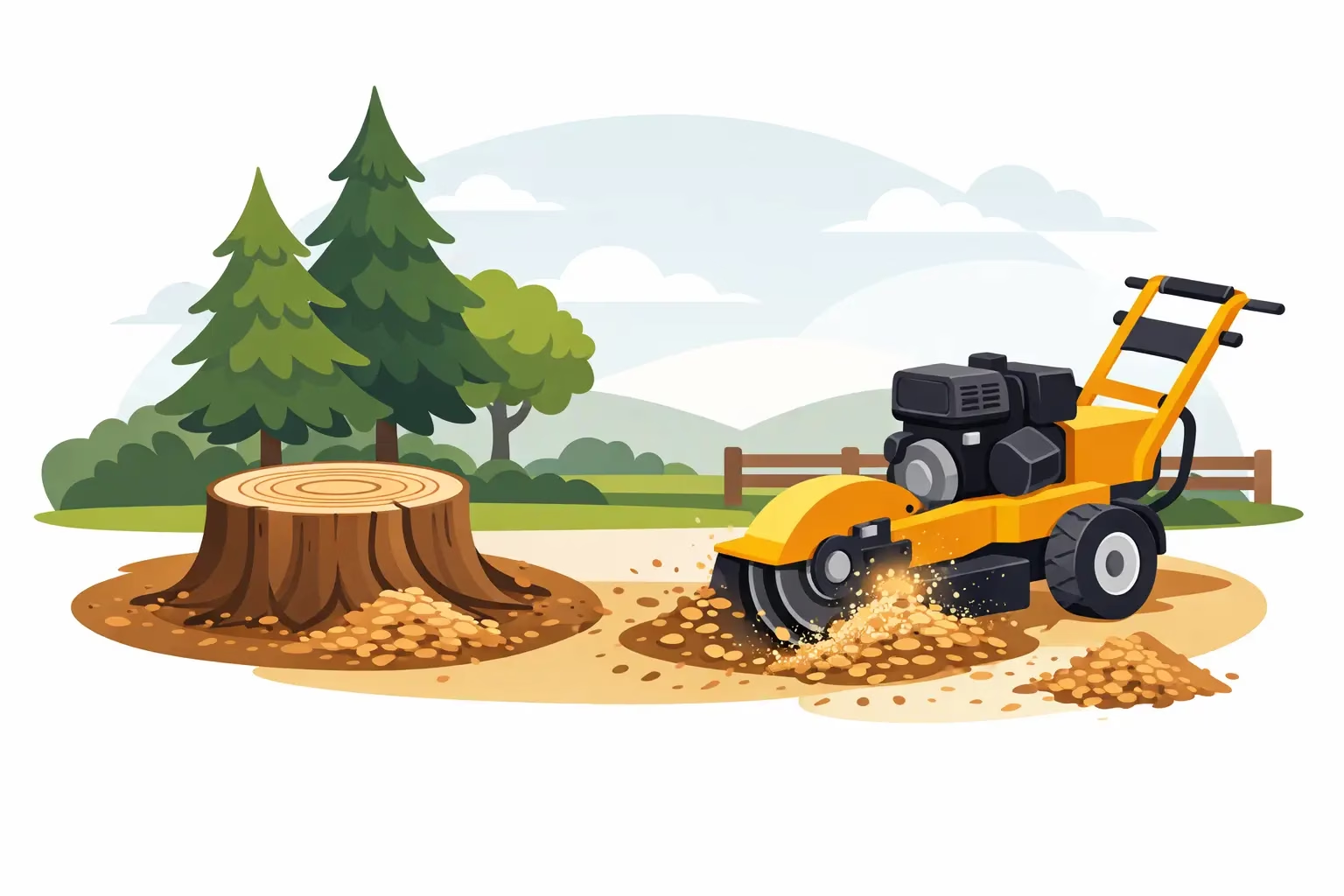
Next comes the grinding itself. A stump grinder uses a rotating cutting wheel with heavy-duty teeth to chip away the wood in sections. Rather than pulling the stump out of the ground, the machine gradually grinds it down. The operator moves the wheel back and forth across the stump, lowering it bit by bit until it sits below the soil line.
How far down the stump is ground depends on the property owner’s plans for the area. If the goal is basic hazard removal and a cleaner lawn, grinding a few inches below grade is often enough. If the area will be replanted, sodded, or prepared for another use, the stump may need to be ground deeper. That is one reason professional assessment matters. The right depth depends on what comes next.
What the crew does before grinding begins
On a well-run job, preparation is a major part of the service. Homeowners often picture only the machine, but the setup matters just as much. The crew typically identifies the safest access route, positions equipment to protect the surrounding property, and establishes a work zone to keep people and pets at a safe distance.
This is also the point where hidden complications are considered. Surface roots, slope, wet ground, limited backyard access, and nearby hardscape can all change how the work is approached. If there are known utilities or irrigation systems near the stump, those need to be accounted for before grinding begins. Rushing this step can create avoidable damage.
A professional company also pays attention to operating standards and jobsite safety. For property owners, that means the work should feel controlled, not improvised. Clear communication, proper equipment handling, and a safe perimeter are all signs that the crew is taking the job seriously.
How long stump grinding usually takes
Many residential stump grinding jobs are completed fairly quickly, but timing depends on stump diameter, wood hardness, root flare, access, and how many stumps are being removed. A single smaller stump in an open front yard may take much less time than a large hardwood stump behind a fence with tight access.
Weather and soil conditions can also affect timing. Wet ground may limit equipment movement, and rocky soil can slow cleanup. The good news is that stump grinding is usually much faster and less disruptive than full stump excavation.
How deep does stump grinding go?
This is one of the most common questions homeowners ask, and the honest answer is that it depends on the purpose of the work. Standard grinding often takes the stump several inches below ground level, which is enough to remove the visible stump and allow for soil cover over the area. If you want to replant grass, that is often sufficient.
If you are planning to install a new tree in the exact same spot, build over the area, or make more extensive landscape changes, deeper grinding or additional root removal may be needed. That should be discussed before the job starts, not after. The more clearly the intended use is explained, the better the service can be matched to the property.
It is also important to understand what stump grinding does not do. It does not usually remove every root from the ground. Instead, it removes the central stump and the upper root crown area enough to clear the surface and improve the site.
What happens to the roots after stump grinding?
In most cases, the larger visible stump is ground down while the deeper root system remains in place underground. Those roots typically decay over time. For many homeowners, that is completely acceptable because the main concern is removing the obstruction, improving appearance, and making the yard safer and easier to maintain.
There are trade-offs. Leaving roots in place is less invasive and usually more cost-effective than full excavation. It also means less disturbance to the surrounding yard. On the other hand, if a future project requires a completely clear area below grade, stump grinding alone may not be enough.
Some tree species may also produce sprouts from remaining roots after the stump is ground, although that is not the norm in every situation. If that risk exists, a knowledgeable tree service can explain what to watch for and whether any follow-up is needed.
What happens to the wood chips
As the stump is ground, the machine creates a pile of wood chips and grindings mixed with some soil. These materials are usually left in place unless removal is requested. In many yards, the grindings can be used to fill the hole temporarily, then topped with soil if the area will be seeded.
Some property owners prefer complete cleanup and removal of excess chips, especially in formal landscape areas or smaller yards where appearance matters right away. Others choose to keep some of the mulch for use around planting beds. Neither option is wrong. It depends on how finished you want the area to look at the end of the appointment.
What your yard looks like after the job
Right after stump grinding, the stump is gone, the area is lower, and there is usually a patch of wood chips or mixed grindings where the stump used to be. It will not always look like untouched lawn on the same day unless additional restoration work is part of the service.
That is normal. Stump grinding is primarily a removal process, not a full landscape renovation. If your goal is a smooth lawn, the area may need topsoil, leveling, and grass seed or sod afterward. If the spot is in a planting bed, fresh mulch may be all that is needed.
This is another place where expectations matter. A good contractor explains what is included in cleanup and what may still be needed to make the area match the rest of the yard.
Why professional stump grinding is worth it
Stump grinding looks straightforward until you consider the equipment, underground conditions, and risk to nearby property. The machine has to be handled with precision, especially near fences, windows, driveways, and utility zones. A poor approach can damage the yard or leave the stump too high to solve the problem.
Professional service also brings efficiency. An experienced crew can assess access, manage safety, set the right grinding depth, and leave the site in a condition that fits your next step. For homeowners and property managers, that means less guesswork and fewer surprises.
At M & R Tree Services, that kind of work should be done with the same focus on safety and professionalism as any other tree service. When a company follows recognized standards, protects the property, and communicates clearly, customers can feel more confident about the result.
If you are deciding whether to remove a stump, it helps to think beyond the wood itself. You are clearing space, improving safety, and making the property easier to use. The best stump grinding job is the one that solves the problem cleanly and leaves you with a yard that is ready for what comes next.