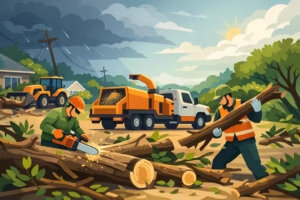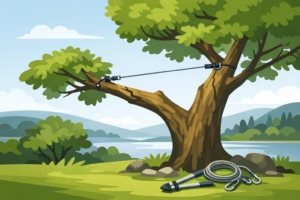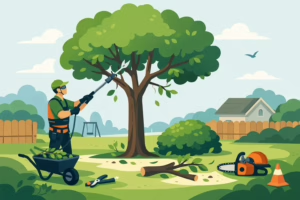
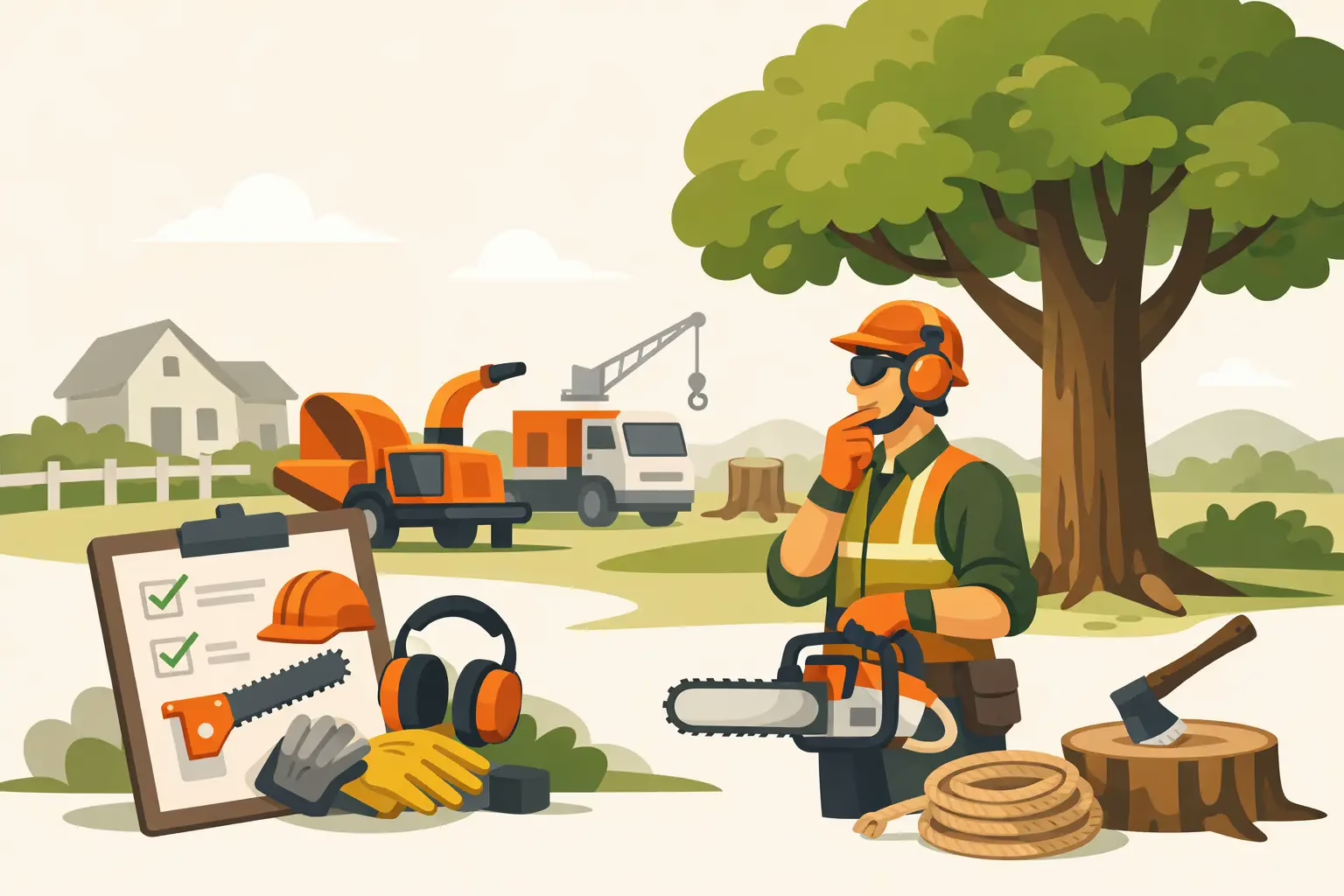
When a tree needs to come down, most problems do not start with the cutting – they start with poor preparation. If you are wondering how to prepare for tree removal, the goal is simple: make the site safe, make access easy, and make sure there are no surprises on removal day.
For homeowners and property managers, tree removal is not just another yard project. It can involve overhead lines, tight spaces, fences, rooflines, underground utilities, and falling debris. A qualified tree service will handle the removal itself, but a well-prepared property helps the crew work more efficiently and reduces the risk of delays, damage, or confusion.
How to prepare for tree removal before the crew arrives
The first step is confirming exactly what is being removed. That sounds obvious, but it matters more than people expect. On some properties, several trees may be close together, and if one is dead, storm-damaged, or threatening a structure, you want everyone aligned on which tree is coming down and whether nearby limbs or additional brush are part of the scope.
It also helps to talk through the removal plan in plain terms before the job starts. Ask where the crew will park, how they will access the tree, whether they need room for a chipper or log truck, and if stump grinding is included or scheduled separately. This is also the time to mention anything the crew should know about your property, such as irrigation lines, a locked gate, soft ground, septic components, or recent landscaping work.
If your tree is close to a home, garage, fence, patio cover, or neighboring structure, preparation becomes even more important. In those situations, removal may need to be done in sections with controlled rigging instead of simply dropping the tree. That usually takes more coordination and more space management on the ground.
Clear the work zone and access points
One of the most helpful things you can do is clear the area around the tree and along the crew’s access route. Tree removal equipment is heavy, and crews need space to move safely. Patio furniture, potted plants, lawn decor, grills, play equipment, and vehicles should be moved well before the scheduled arrival time.
If the tree is in a backyard, make sure gates can open fully and are not blocked by storage bins, planters, or parked cars. If there are pets, they should be kept securely indoors or in a separate enclosed area away from the work zone. Children should also stay clear of the area until the job is complete and the crew confirms it is safe.
Some customers assume they need to clear the entire yard. Usually, that is not necessary. The priority is the path to the tree, the drop zone for branches and wood, and the staging area for equipment. If you are unsure how much space is needed, ask during the estimate. A professional crew would rather define that in advance than lose time relocating obstacles on site.
Protect what cannot be moved
Not everything can be picked up and relocated. Irrigation heads, flower beds, retaining walls, low landscape lighting, and decorative hardscape features may be near the work area. Point these out before the work begins. A good tree company will plan around them when possible, but some tight removals come with unavoidable trade-offs.
For example, if a tree sits deep in a fenced backyard with limited access, crews may need to carry material out by hand or use equipment in a narrower path. That can protect more of the yard, but it may take longer. In other cases, using equipment is the safer and more efficient option, even if minor lawn disturbance is possible. What matters is having that conversation upfront.
Check for utilities, property lines, and permit questions
Tree removal is not just about the visible part of the property. Overhead service lines, utility easements, and underground systems all affect how a job should be handled. If the tree is anywhere near power lines, do not attempt to manage any part of the work yourself. That is a high-risk situation that requires trained professionals and, in some cases, coordination with the utility provider.
Underground utilities also matter if heavy equipment will be used or if stump grinding is part of the work. Gas, water, sewer, electrical, and communication lines may not be obvious from the surface. If the removal company instructs you to arrange utility marking, do that early so the schedule stays on track.
Property lines can create another issue, especially when a trunk is close to a fence or limbs extend into a neighboring yard. If there is any question about ownership or access, address it before the job date. That can prevent disputes and avoid awkward delays when the crew is ready to begin.
Permits depend on local rules, tree size, species, location, and whether the property falls under a homeowners association or city-specific requirement. In some cases, no permit is needed. In others, removing a large or protected tree without approval can create fines or complications. If you are not sure, ask your tree service what typically applies in your area and confirm with the appropriate local authority.
Prepare your home and household for the day of service
Tree removal can be noisy and active for several hours, sometimes longer for larger or more technical jobs. Plan for chain saw noise, trucks coming and going, and crew movement around the property. If you work from home, have pets that react to noise, or have a household member sensitive to disruptions, it helps to prepare in advance.
Keep windows closed near the work area, and avoid walking through the yard during the job unless a crew member directs you. If the crew needs driveway access, park on the street or move vehicles out before arrival. If a neighbor’s driveway or side yard may be affected by branch movement or equipment positioning, giving them a quick heads-up is a smart courtesy.
This is also a good time to secure fragile items inside the home if the tree is very close to the structure. Most removals go smoothly, but vibration and noise can be noticeable, especially when large wood is being lowered or processed.
Know what will happen to the debris
Before the work starts, confirm whether the crew is hauling away all brush, logs, and wood chips, or if any material will remain on site at your request. Some customers want firewood left behind. Others want a complete cleanup. Neither is wrong, but assumptions can lead to frustration.
If stump grinding is included, ask how deep the stump will be ground and whether the grindings stay on site. If replanting, fencing, or landscape repairs are planned afterward, knowing the final condition of the area helps you line up the next step.
Ask the right questions before removal day
A reliable tree company should make the process feel clear, not confusing. Before the crew arrives, you should understand the scope of work, the approximate timeline, the cleanup plan, and any preparation expected from you. You should also feel comfortable asking about insurance, safety practices, and whether the company follows recognized industry standards.
That matters because tree removal is high-risk work. Compliance with ANSI standards and OSHA regulations is not just a box to check. It reflects how a company approaches safety, training, and jobsite procedures. For a homeowner, that translates into greater confidence that the work is being handled responsibly.
This is also where experience counts. A company that regularly handles removals in residential neighborhoods understands the practical issues that come with limited access, nearby structures, and customer concerns about cleanup and property protection. M & R Tree Services approaches those jobs with the kind of planning and professionalism that helps customers feel informed before the first cut is ever made.
What not to do when preparing for tree removal
The biggest mistake is trying to do part of the removal yourself before the crew arrives. Do not cut limbs, start notches, climb the tree, or attempt to clear hanging branches. Partially cut wood and unstable limbs can make the job more dangerous, not less.
It is also best not to place tarps, plywood, or homemade protection systems around the base of the tree unless your contractor specifically asks for it. Well-meaning efforts can interfere with footing, rigging, or equipment movement. If there is something you are worried about, point it out and let the crew decide the safest way to protect it.
Finally, do not wait until the morning of the job to mention access issues, neighbor concerns, or utility questions. Last-minute surprises are one of the main reasons tree removal gets delayed.
Preparing for tree removal does not mean taking on the dangerous part yourself. It means getting the property, the paperwork, and the access ready so trained professionals can do the work safely and efficiently. A little planning ahead can make the entire job cleaner, faster, and far less stressful for everyone involved.