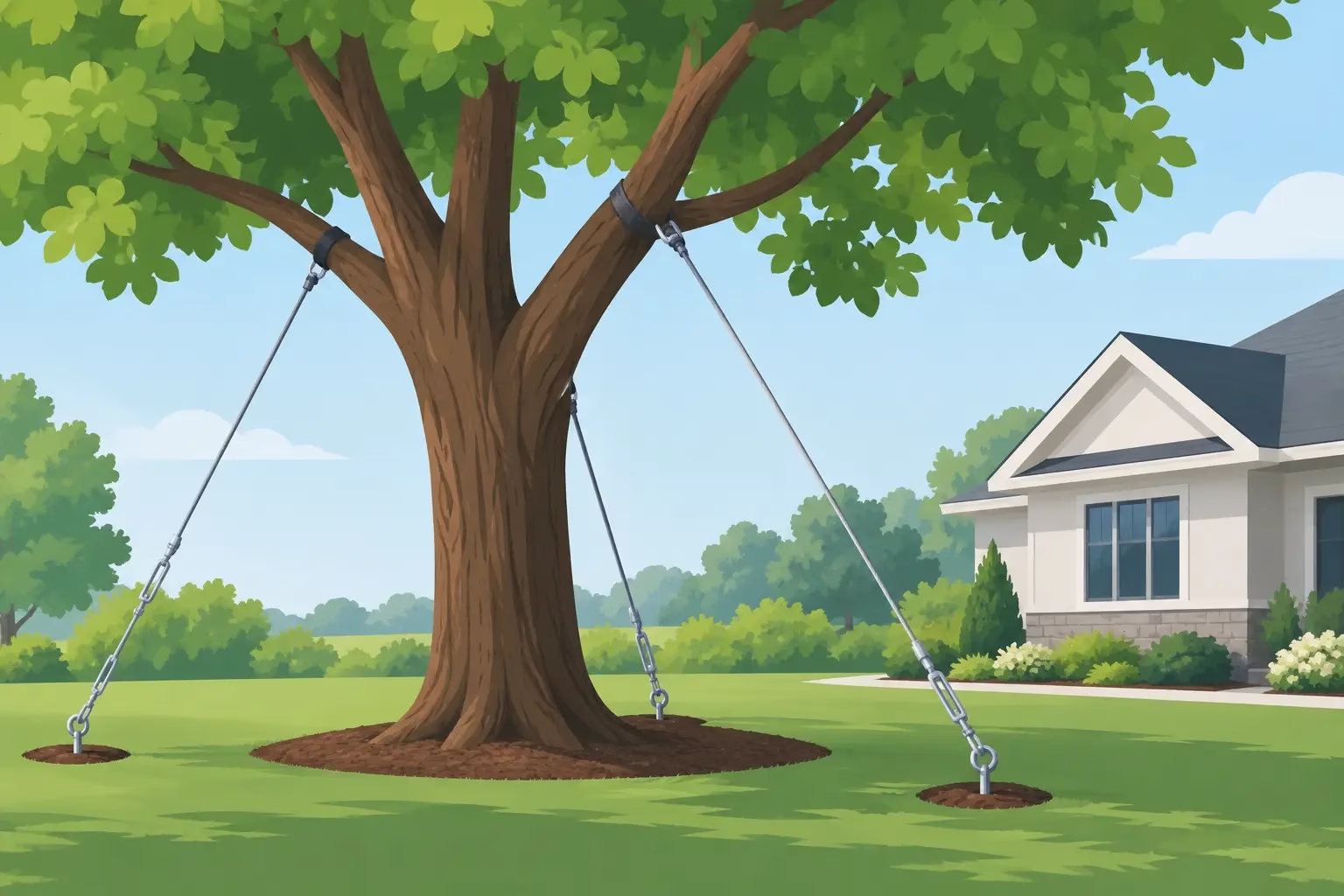
A large limb does not have to fall to be a problem. When a mature tree has two heavy stems pulling away from the same attachment point, or a broad limb extending over a roof, driveway, or play area, the risk may be building quietly for years. Why do trees need cables? In the right situation, professionally installed tree cabling adds supplemental support to a structurally weak tree so it is better able to withstand wind, snow, ice, and the weight of its own canopy.
For homeowners in Vancouver, Washington, and nearby communities, cabling can be a practical way to preserve a valued tree while addressing a known hazard. It is not a repair for every tree, and it is never a substitute for proper pruning or removal when a tree is severely compromised. A qualified tree professional must evaluate the tree’s structure, health, location, and likelihood of failure before recommending a support system.
Why Do Trees Need Cables?
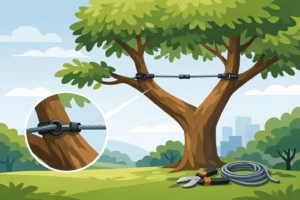
Trees need cables when their natural structure cannot safely manage the forces placed on it. A cable system helps redistribute movement and weight between major stems or limbs. Rather than allowing a weak union to flex independently in strong wind, the system limits excessive separation and reduces strain at the point most likely to fail.
This is most common in mature trees with co-dominant stems. These are two or more trunks of similar size that grow from the same area of the tree. Some unions are strong, but others contain included bark – bark trapped between the stems instead of solid wood connecting them. Included bark creates a weak attachment that can split apart under load.
Cables may also be appropriate for a long, heavy limb with a defect at its base, a tree with an old wound or partial split, or a specimen tree that has developed an uneven canopy. In the Pacific Northwest, winter storms, saturated soil, and sudden wind events can expose weaknesses that were not obvious during calm weather.
The goal is not to make a tree rigid. Healthy trees need some natural movement. Properly designed cabling reduces excessive movement while allowing the tree to function normally.
What Tree Cabling Can and Cannot Do
A tree cable system is a form of supplemental support. Depending on the tree and the concern, it may include high-strength flexible cables installed between major limbs or stems. In some cases, bracing rods are installed through a cracked or splitting union to provide additional stabilization. These systems are selected and installed based on the tree’s structure, not as a one-size-fits-all fix.
Cabling can help extend the useful life of a tree that has good overall health but a specific structural weakness. It can reduce the chance of a major leader or limb breaking during a storm. It can also allow a homeowner to retain shade, privacy, curb appeal, and the value of a mature landscape tree rather than removing it prematurely.
However, cables do not reverse decay, heal a split trunk, or make a tree safe in every circumstance. If internal decay is extensive, roots are failing, the trunk has serious damage, or the tree is leaning toward a high-value target, removal may be the safer recommendation. A cable system should never be used to delay necessary action on a dangerous tree.
Trees That May Benefit From Cabling and Bracing
An on-site inspection is the only reliable way to determine whether cabling is appropriate. Still, certain situations deserve professional attention sooner rather than later. Watch for these signs:
- Two large stems forming a narrow V-shaped union, especially if bark is visibly compressed between them.
- A visible crack, seam, or bulge where trunks or major limbs meet.
- A long, overextended limb growing above a roof, vehicle parking area, fence, or walkway.
- A mature tree that has lost a large limb in the past and now carries uneven weight on one side.
- Branches or stems that move noticeably apart during wind.
A crack does not always mean immediate removal, but it does call for a prompt professional assessment. The same is true after a storm. Fresh breaks, hanging limbs, exposed wood, and newly widened seams can change a tree’s risk profile quickly.
Cabling Is Most Effective With Proper Pruning
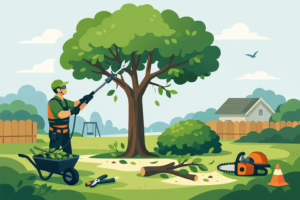
Cabling works best as part of a complete tree-care plan. Selective pruning may reduce end weight on heavy limbs, improve canopy balance, and decrease wind resistance. When performed correctly, pruning can reduce the forces acting on a weak connection without stripping the tree of the foliage it needs to stay healthy.
Poor pruning can create new problems. Topping, excessive limb removal, and random cuts can stress a tree and encourage weak regrowth. That is why structural pruning and support systems should be planned together by trained professionals using accepted tree-care practices.
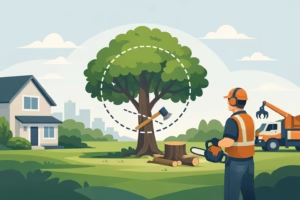
For many homeowners, the decision comes down to preservation versus removal. If a tree is healthy, significant to the property, and structurally supportable, cabling combined with pruning may be a sound investment. If the tree has extensive decline or presents an unacceptable risk to people or property, removal may provide better long-term protection.
Why Professional Installation Matters
Tree cabling is high-risk work performed high above the ground, often near homes, utility lines, and other obstacles. The hardware must be correctly sized, placed at the proper height, and installed in a way that supports the intended parts of the tree. Improper installation can injure the tree, fail under load, or give a homeowner a false sense of security.
A professional assessment should consider more than the visible split or heavy limb. The crew should evaluate tree species, trunk diameter, branch angles, decay indicators, canopy weight, root condition, nearby targets, and the likelihood of severe weather exposure. Installation and pruning should follow applicable ANSI tree-care standards, with crews using OSHA-compliant safety practices for climbing, rigging, and jobsite protection.
At M & R Tree Services, structural support recommendations are based on what will best protect your property and the tree – not on selling a cable system where removal or pruning would make more sense. Clear communication matters because homeowners deserve to understand the condition of the tree, the available options, and the risks of waiting.
Ongoing Inspection Is Part of Tree Support
A cable system is not install-and-forget hardware. Trees grow, wood changes, and storms place new demands on the structure. Cables, attachment points, bracing rods, and the supported stems should be inspected periodically by a qualified professional. The inspection schedule depends on the tree’s condition, the type of system, and its exposure to wind and weather.
Homeowners should also call for an inspection if they notice a new crack, increased separation between stems, loose hardware, dead branches, or a major change after a storm. Do not climb the tree, pull on the cable, or attempt to adjust hardware yourself. What appears to be a minor issue from the ground may involve serious tension or hidden structural damage.
When a tree has a weak union or an oversized limb above an area people use every day, waiting for the next windstorm is not a plan. A professional evaluation can tell you whether cabling, pruning, removal, or simple monitoring is the responsible next step – and help you protect the trees and property that matter most.