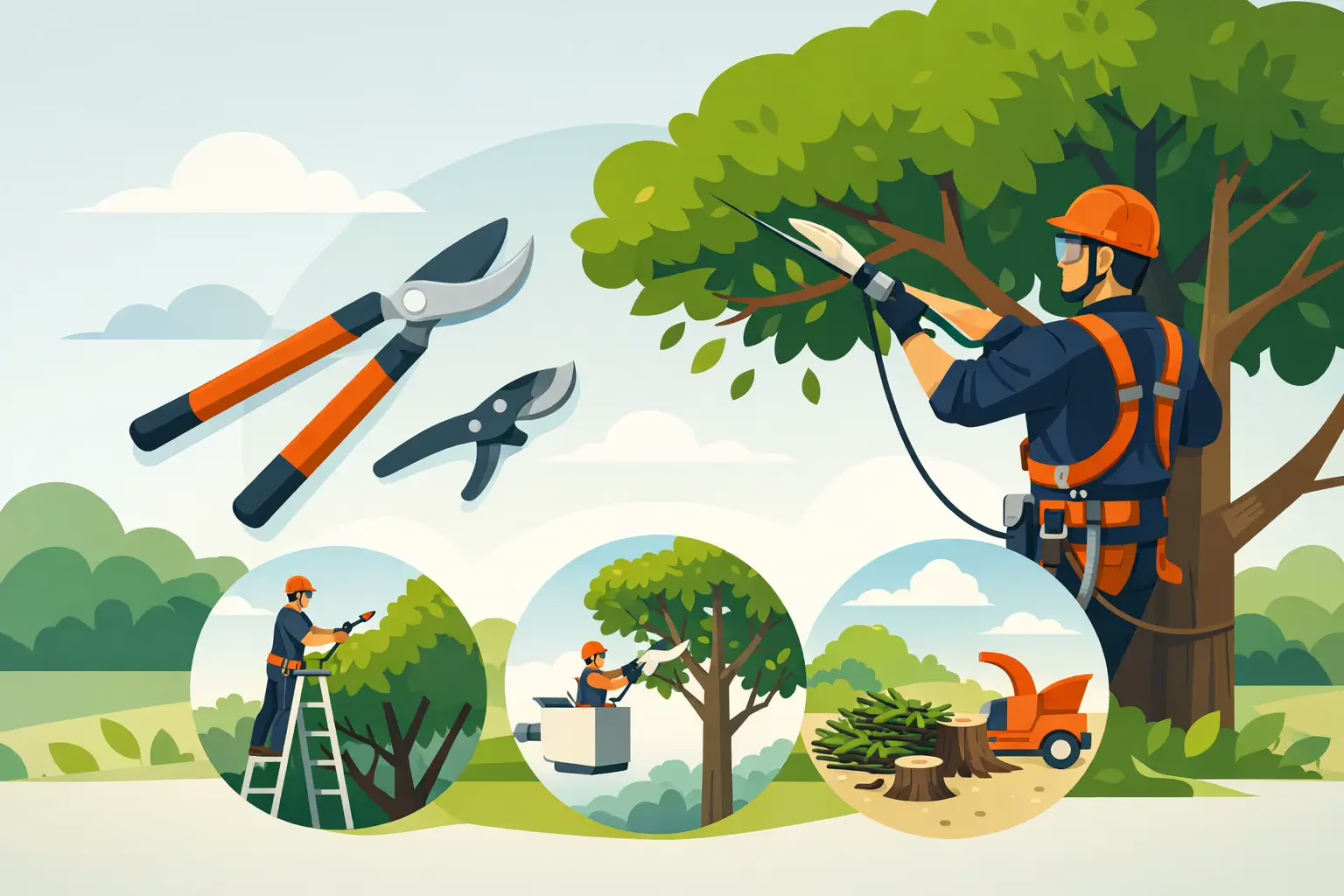
If a tree on your property is starting to crowd the roofline, block visibility, or drop dead limbs into the yard, it is fair to ask: what does tree trimming include? For most homeowners, tree trimming is not just cutting back branches until the tree looks smaller. It is a planned service that improves safety, supports tree health, manages growth, and helps the tree fit the space around your home.
A professional trimming visit usually begins with an assessment. The crew looks at the tree species, age, structure, branch weight, signs of decay, and how close limbs are to your house, driveway, fence, or utility lines. That matters because the right cut in the right place can help a tree stay stable and healthy, while the wrong cut can weaken it, invite decay, or create future hazards.
What does tree trimming include in a typical service?
In most cases, tree trimming includes removing dead, damaged, diseased, or weak branches. It may also include thinning selected limbs to reduce crowding, raising the canopy to improve clearance, and shaping growth so the tree has a stronger, more balanced structure. On some properties, trimming also addresses practical concerns like keeping limbs off a roof, opening sightlines near a street or driveway, or reducing overhang above walkways and outdoor living areas.
The exact scope depends on the tree and the goal of the service. A large mature maple near a home may need weight reduction and clearance pruning. A younger ornamental tree may need structural pruning to guide future growth. A storm-damaged tree may need hazard reduction first, then follow-up care later.
Deadwood removal
One of the most common parts of trimming is removing deadwood. Dead limbs do not recover, and they can become a serious risk when they begin to crack, fall, or rub against healthy branches. Deadwood removal helps reduce hazards and often improves the tree’s appearance at the same time.
This is especially important over driveways, patios, play areas, and entry paths. Even a smaller limb can cause damage if it falls from height, and larger dead branches can become a real safety issue during wind or heavy rain.
Crown thinning
Crown thinning means selectively removing branches within the canopy to reduce density. The purpose is not to strip the tree or leave it looking sparse. Done correctly, thinning allows better air movement and light penetration while keeping the tree’s natural shape.
This can be useful for trees with dense interior growth, heavy end weight, or branches that are competing with each other. It can also reduce wind resistance in some cases, although too much thinning can have the opposite effect. That is why professional judgment matters.
Crown raising
Crown raising involves removing or shortening lower branches to create clearance underneath the tree. Homeowners often request this when branches hang too low over sidewalks, driveways, lawns, fences, or structures.
The goal is enough clearance without over-lifting the tree. If too many lower limbs are removed at once, the tree can become stressed or visually unbalanced. A qualified crew will consider species, size, and long-term growth before making those cuts.
Crown reduction and end-weight reduction
Reduction pruning shortens selected branches to reduce the height or spread of a tree, usually by cutting back to appropriate lateral branches. This is different from topping, which is a harmful practice that leaves large stubs and often leads to weak regrowth.
Reduction may be recommended when a tree is extending too close to a structure, developing long heavy limbs, or showing stress at branch unions. In some cases, reducing weight at the ends of limbs can lower the chance of failure without removing major portions of the canopy.
Tree trimming is not the same as cutting everything back
Many property owners use the phrase trimming to describe any branch cutting, but there is a big difference between skilled pruning and aggressive overcutting. Good trimming follows recognized standards and works with the tree’s biology. It focuses on branch collar preservation, proper cut placement, and removing the right amount at the right time.
Poor trimming often shows up as topping, lion-tailing, or excessive branch removal. Those shortcuts can leave a tree more vulnerable to sunscald, insect pressure, decay, and structural weakness. What looks like a quick fix now can lead to faster regrowth, more future maintenance, and higher risk later.
Clearance from structures and use areas
A major reason homeowners schedule trimming is simple property protection. Branches that contact roofs, siding, gutters, chimneys, or windows can create wear and tear over time. Limbs hanging over parking areas, decks, or play spaces can also become a concern if they are damaged or overextended.
Trimming for clearance helps reduce those risks. It can also keep trees from obstructing security lighting, signs, or visibility near intersections and driveways. On rental or managed properties, this kind of maintenance supports both safety and appearance.
Removal of rubbing or crossing branches
When branches cross and rub against each other, they can wear through bark and create open wounds. That damage makes it easier for pests and disease to affect the tree. Trimming often includes removing one of the competing branches so the canopy can develop with less internal stress.
This type of corrective pruning is often overlooked by property owners because the problem may not be visible from the ground. During a professional inspection, these structural issues are easier to identify.
What does tree trimming include for tree health?
Tree trimming is partly about appearance, but health is a major reason the work matters. A professional service may include the removal of diseased limbs, storm-damaged branches, broken leaders, and weak attachments that could split later. It may also involve shaping a younger tree to encourage a stronger scaffold structure as it matures.
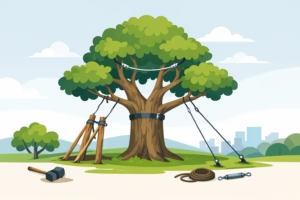
That said, trimming is not the same as treatment. If a tree has root problems, advanced decay, pest infestation, or major structural instability, trimming alone may not solve the issue. Sometimes trimming is one part of a larger plan that could include cabling, bracing, monitoring, or removal if the risk is too high.
Seasonal timing matters
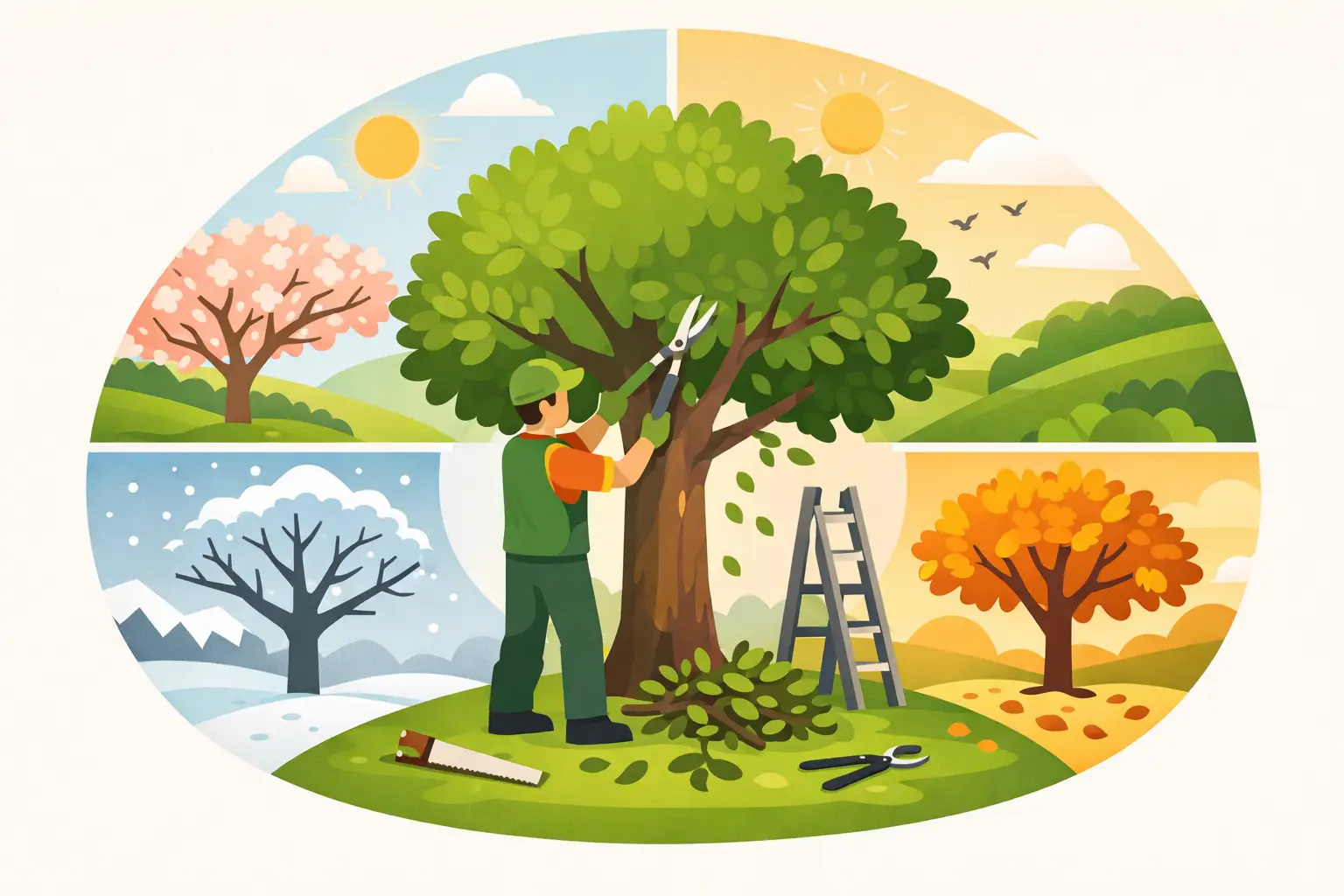
Not every tree should be trimmed the same way or at the same time of year. Some species respond well to dormant-season pruning. Others are better trimmed after certain growth cycles or flowering periods. Timing can also affect disease exposure.
This is one of those areas where the answer is, it depends. The right schedule for a mature oak is not necessarily the right schedule for a fruit tree or ornamental cherry. In the Vancouver area, local weather patterns and storm season also play a role in planning maintenance.
What a professional trimming job often includes beyond the cuts
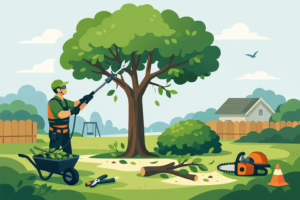
Homeowners sometimes picture trimming as the cutting only, but the service usually includes much more. A professional crew may bring climbing gear, rigging equipment, safety gear, saws sized for different cuts, and cleanup tools for brush and debris. The job may also involve traffic control within the property, protecting landscaping below the canopy, and lowering heavy limbs carefully instead of letting them drop.
Cleanup is typically part of the service as well. That can include chipping brush, hauling away debris, and leaving the site neat so you are not left with a pile of limbs to manage on your own. On larger or riskier jobs, the planning and safety process is a major part of what you are paying for.
For that reason, professional tree trimming should be performed by trained crews who follow ANSI standards and OSHA regulations. Trees near homes, fences, utility corridors, and neighboring properties require more than a ladder and a chainsaw. They require controlled work practices, proper equipment, and an understanding of how trees respond to each cut.
When trimming may not be enough
There are times when a tree looks like it needs trimming, but the real issue is deeper. If the trunk is compromised, the root system is failing, or a major limb has a severe crack, pruning may only reduce risk temporarily. In those cases, a reputable company should explain the trade-offs clearly instead of selling unnecessary trimming.
The same goes for storm-damaged trees. Some can be restored safely with selective pruning. Others are too unstable and may need removal. The right recommendation depends on species, structure, location, and the level of risk around the tree.
If you are not sure what your tree needs, an on-site evaluation is the best place to start. At M & R Tree Services, we approach trimming with safety, long-term tree health, and property protection in mind. That means making careful cuts, following industry standards, and recommending only the work that truly fits the condition of the tree.
A good trimming job should leave you with more than a cleaner-looking canopy. It should leave you with a safer property, a healthier tree when preservation is appropriate, and the confidence that the work was done the right way.