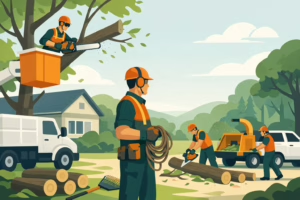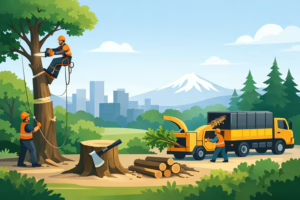

A large tree removal can require a crew, specialized equipment, traffic or work-zone planning, and a full day on the schedule. That is why tree removal deposits are sometimes part of a professional estimate. A deposit should never feel like a surprise or a pressure tactic. It should be clearly explained, documented in writing, and tied to the real work required to complete your project safely.
For homeowners in Vancouver, Washington, and nearby communities, the goal is simple: understand what you are paying for before work begins, know what to expect from the contractor, and avoid making a decision based on price alone when the work involves real safety risks.
Why a Tree Company May Request a Deposit
Tree work is not a typical small home repair. Removing a tree near a house, fence, power line, driveway, or neighboring property may require a trained climbing crew, rigging equipment, a chipper, a stump grinder, or a crane. The company may also need to reserve equipment and assign a crew to your job well before the work date.
A reasonable deposit helps a contractor commit those resources to your project. It can cover scheduling, equipment mobilization, disposal planning, permit-related preparation when applicable, and the business cost of holding a date that could otherwise be used for another customer.
Deposits are especially common when a job is large, complex, scheduled far in advance, or includes specialty services such as crane-assisted removal, extensive debris hauling, stump grinding, or emergency stabilization. A small pruning visit may be handled differently than the removal of a large hazardous fir over a home.
There is no single deposit percentage that is right for every tree project. The appropriate amount depends on the size of the job, local demand, equipment needs, and the company’s payment policies. What matters most is that the amount makes sense in relation to the scope of work and is stated before you agree to move forward.
What Tree Removal Deposits Should Cover
A written estimate should make the deposit easy to understand. It should state the total project price, the amount due before work begins, when the remaining balance is due, and what services are included. If a deposit is nonrefundable after a certain point because equipment has been reserved or a permit process has started, that policy should be disclosed plainly.
The scope of work deserves just as much attention as the payment terms. Ask whether the price includes cutting and removal, chipping brush, hauling logs, cleanup, stump grinding, and disposal. Wood can be left on site, hauled away, or cut to requested lengths, depending on the agreement. These details affect both the price and the work plan.
A clear estimate also identifies conditions that could change the final cost. For example, hidden decay, restricted access, utility conflicts, saturated ground, or a tree that cannot be safely climbed may require a different approach. A professional company should explain how change orders are handled rather than adding unexplained charges after the work is underway.
When a Deposit Is Reasonable – and When to Pause
A deposit can be a normal part of a well-managed project, but homeowners should be comfortable asking questions before paying one. A qualified tree service should be able to explain why a deposit is requested and provide a written record of the payment.
It is reasonable to pause if a contractor demands the entire payment upfront for a routine job, will not provide a written estimate, cannot describe the work in detail, or pressures you to pay immediately. You should also be cautious if the company is vague about cleanup, property protection, insurance, or what happens if weather delays the job.
Price alone is not a reliable safety indicator. Extremely low quotes can sometimes leave out debris removal, proper equipment, trained labor, or the time required to perform the work carefully. Tree removal near structures is high-risk work. A fair price should reflect planning, experience, safety procedures, and the ability to complete the job as promised.
Questions to Ask Before Paying a Deposit
Before authorizing tree removal, take a few minutes to review the estimate with the contractor. You do not need to become an arborist to ask practical questions that protect your property.
Ask how much the deposit is, whether it is applied to the final invoice, and what circumstances affect a refund if the schedule changes. Confirm the anticipated start date and ask how weather delays will be communicated. In the Pacific Northwest, wind, rain, and saturated soil can make postponement the safer choice, particularly when equipment must be brought through a yard.
Also ask who is responsible for permits or utility coordination if those are needed. Municipal requirements can vary by location, and trees near electrical lines require special caution. No homeowner should assume that a crew can simply work around energized lines. The safest plan may involve coordination with the utility or a contractor qualified for the specific conditions.
Finally, ask about insurance and safety practices. Professional tree work should follow appropriate industry and jobsite safety requirements, including ANSI and OSHA standards. This is more than paperwork. It affects how a crew establishes a drop zone, controls limbs during rigging, protects people on the ground, and avoids unnecessary damage to your home or landscape.
Protecting Your Property Before Work Begins
Once you have approved a quote and paid a deposit, prepare the work area with the contractor’s instructions in mind. Move vehicles out of the driveway, secure pets indoors, and point out irrigation heads, septic components, landscape lighting, gates, or other features that could be affected by equipment access.
It also helps to discuss access before the crew arrives. A backyard tree may require access through a side gate, across a driveway, or from a neighboring property with permission. Ground protection can be discussed when lawns are soft or when heavier equipment is needed. There are trade-offs: more protection and more complex access can add time and cost, but they may be worthwhile to reduce impact on a landscaped yard.
Keep your estimate, receipt, and any approved changes together until the job is complete. If the work plan changes because of conditions found on site, request an updated explanation before authorizing additional work whenever the situation allows. Emergency hazards can require fast decisions, but clear communication should still be the standard.
A Deposit Should Support a Safe, Reliable Job
The best tree removal deposit is not simply a payment before service. It is part of a clear agreement between you and the company performing high-stakes work on your property. You should know what is being removed, how the area will be cleaned, what you will pay, and how the crew will protect your home and the people nearby.
At M & R Tree Services, clear estimates and safe work practices help homeowners make confident decisions about tree care. If a tree is damaged, overgrown, leaning, or too close to your home, request a professional assessment before the problem becomes more urgent. A straightforward conversation about the work, the schedule, and any deposit can bring needed clarity before the first cut is made.