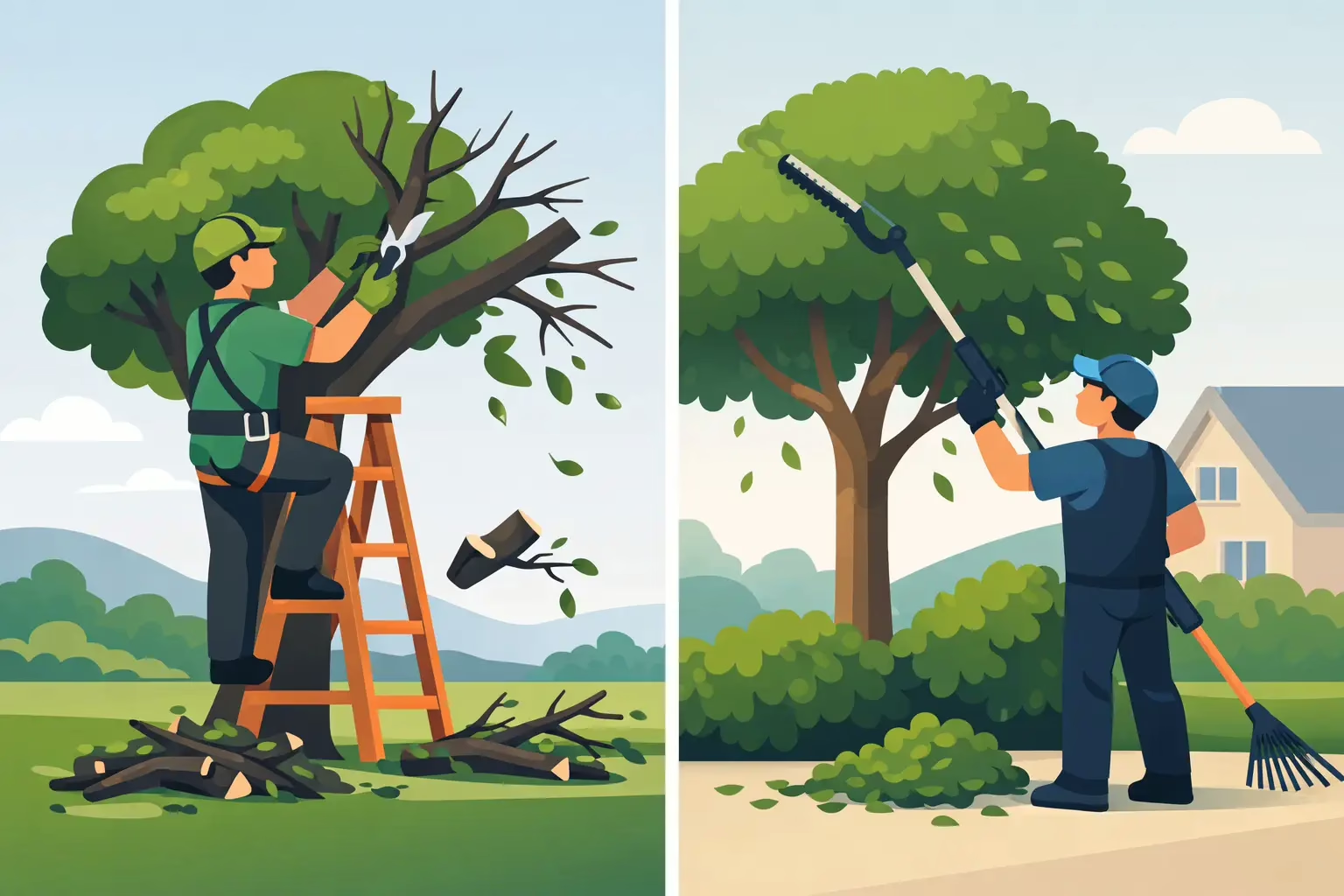
A tree that looks overgrown is not always the same as a tree that needs corrective care. That is where tree pruning versus tree trimming matters. Homeowners often use the terms interchangeably, but the work, the purpose, and the results can be very different depending on the tree, the season, and the risk on your property.
If you are trying to protect your home, improve curb appeal, or deal with limbs hanging over a roof or driveway, knowing the difference helps you make a better service decision. It also helps you avoid work that solves the wrong problem. In professional tree care, the goal is not just to cut branches. It is to improve safety, support tree health, and manage growth with the right method.
Tree pruning versus tree trimming: what is the difference?
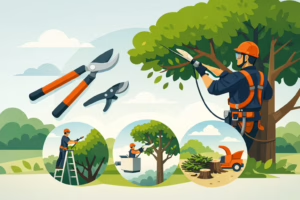
Tree trimming usually focuses on managing shape, size, and appearance. It is commonly used to reduce overgrowth, clean up a canopy, improve clearance over structures, and keep branches from encroaching on walkways, fences, roofs, or utility areas. When a tree is growing fast and starting to crowd the space around it, trimming is often the service people are thinking of.
Tree pruning is more selective and more structural. It is done to remove dead, diseased, weak, damaged, or poorly attached limbs. It can also be used to improve branch spacing, reduce the chance of failure, and guide the tree into a stronger form as it matures. Pruning is less about appearance alone and more about long-term health and safety.
There is overlap between the two. A job can include both pruning and trimming at the same time. That is why a professional inspection matters. A healthy ornamental tree near the front of the home may benefit mostly from trimming, while a mature maple with cracked limbs may need targeted pruning to reduce hazard.
Why the distinction matters for your property
From the ground, many tree problems look similar. A heavy canopy, low limbs, crossing branches, and deadwood can all make a tree seem “messy.” But each issue calls for a different response.
If the main concern is appearance or clearance, trimming may be enough. If the concern is branch failure, storm resistance, disease management, or protecting the tree’s structure, pruning becomes more important. Using the wrong approach can leave the real issue unresolved. A tree may look cleaner after a cosmetic cut but still carry weak attachments or dead limbs that create risk later.
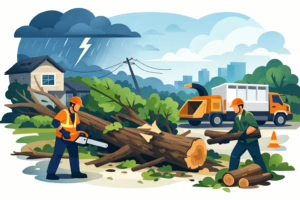
This matters even more in areas where wind, rain, and seasonal storms put extra pressure on mature trees. A branch that seems stable in dry weather can become a real hazard when conditions change. Proper pruning helps reduce that risk by removing compromised limbs before they fail.
When tree trimming is the right service
Tree trimming is often the right choice when growth has outpaced the space available. That may mean branches brushing against the roof, blocking windows, shading too much of the yard, or hanging too low over a driveway or sidewalk. In these cases, the objective is to restore clearance and keep the tree looking orderly without compromising its natural form.
Trimming is also common for hedges, ornamental trees, and trees used to frame a landscape design. The focus is visual balance and controlled growth. Done correctly, it can improve sunlight penetration, reduce crowding, and keep the property looking maintained.
That said, trimming should never turn into aggressive topping or random cutting. Removing too much canopy at once can stress the tree, trigger weak regrowth, and increase susceptibility to pests, disease, and sunscald. Good trimming is measured, intentional, and based on species, age, and condition.
When pruning is the better choice
Pruning is the better fit when the tree has health or structural issues that need correction. Dead branches, storm-damaged limbs, narrow branch unions, rubbing limbs, and diseased wood are all pruning concerns. Young trees may also need structural pruning to encourage a strong branch framework early, which can prevent larger failures later.
Mature trees often benefit from crown cleaning and selective reduction where weight needs to be removed from overextended limbs. If a tree has a history of dropping branches or showing signs of weakness, pruning can be part of a broader risk-management plan.
This is also where professional standards matter. Pruning cuts need to be placed correctly to support healing and limit unnecessary stress. Poor cuts can leave wounds that decay, create weak new growth, or damage the tree’s natural defense systems. For homeowners and property managers, that is a strong reason to hire qualified tree care professionals instead of treating every branch issue like a basic trimming job.
Tree pruning versus tree trimming by season
Timing can affect both the outcome and the health of the tree. Some species respond best to pruning during dormancy, while others can be safely trimmed at different times of year depending on growth patterns and local conditions. In general, dead, broken, or hazardous limbs should be addressed promptly regardless of season because safety comes first.
For routine work, the right schedule depends on the species, the objective, and the current condition of the tree. Pruning at the wrong time can increase disease exposure in some trees or stimulate growth when that is not desirable. Trimming too late in a growth cycle may also leave a tree more vulnerable to weather stress.
That is why there is no one-size-fits-all calendar. A fast-growing backyard tree near the house may need regular trimming for clearance, while a mature specimen may need less frequent but more technical pruning. A local company familiar with regional conditions can recommend the right timing instead of applying the same approach to every property.
What professional tree care should include
Whether the service is trimming, pruning, or both, the work should start with an assessment of the tree’s species, age, health, structure, and surroundings. The goal is not just to remove branches, but to improve the tree while protecting nearby people, homes, vehicles, and landscape features.
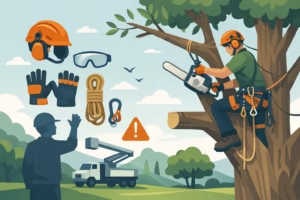
Professional crews should also follow proper safety procedures and recognized industry standards. That is especially important when the work involves climbing, rigging, storm-damaged trees, or limbs over structures. Tree care can look straightforward from the yard, but it becomes high-risk quickly when weight, height, decay, and tension are involved.
For property owners, the real value is peace of mind. You want to know the cuts are being made for the right reasons, the work is being done safely, and the tree is not being overcut for the sake of speed. Companies that operate with ANSI standards and OSHA-focused safety practices bring an added level of professionalism to that decision.
Signs you may need service now
If branches are touching your roof, hanging over a play area, blocking sightlines, scraping siding, or showing obvious deadwood, it is a good time to have the tree evaluated. The same applies if the canopy looks unbalanced after a storm or if you notice cracked limbs, split unions, or sudden dieback.
Not every issue means removal, and not every overgrown tree needs heavy cutting. Sometimes a selective pruning plan solves the safety concern while preserving the tree. Other times, routine trimming is enough to restore clearance and appearance. The key is getting the right diagnosis before the problem grows.
For homeowners in Vancouver, Washington and nearby communities, this is where a dependable local team makes a difference. M & R Tree Services works with property owners who need safe, reliable tree care without guesswork, whether the job is routine maintenance or a more urgent hazard concern.
Making the right call for your trees
The choice between trimming and pruning is not about using the correct label. It is about matching the service to the condition of the tree and the needs of the property. A healthy tree with crowded growth should not be treated the same way as a storm-stressed tree with weak or dead limbs.
If you are unsure which one you need, that is normal. Most property owners are not expected to diagnose branch structure or decay from the ground. What matters is recognizing when a tree has outgrown its space, shows signs of damage, or poses a risk to people and property.
A well-maintained tree adds value, shade, and character to a property. The right care keeps it that way. When the work is timed correctly and done with skill, you are not just improving how a tree looks today. You are helping it remain safer and stronger for the seasons ahead.