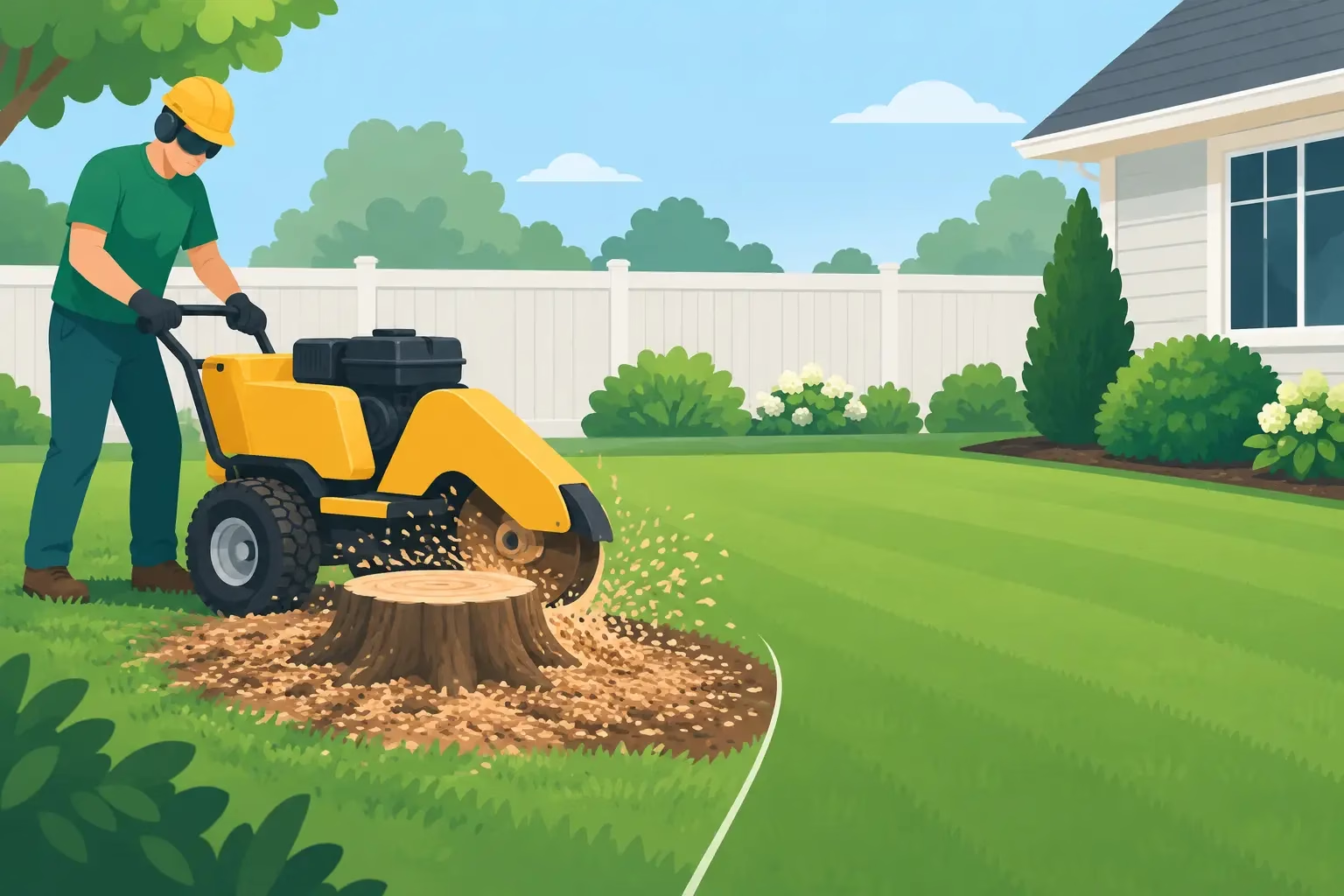
A stump can seem harmless once the tree is gone, especially when it sits near the edge of a yard. But homeowners often find that it becomes an obstacle every time they mow, landscape, walk the property, or plan a new project. Understanding how stump grinding improves yards helps you make the most of the space left behind after tree removal – safely, cleanly, and with fewer long-term maintenance concerns.
How Stump Grinding Improves Yards After Tree Removal
Tree removal is only part of the job when a stump remains. The visible trunk may be gone, but the stump and major surface roots can still affect how you use and maintain your property. Professional stump grinding reduces the stump below ground level, turning it into wood chips that can be removed or repurposed in appropriate areas of the landscape.
The result is a smoother, more usable yard without the large, hard obstacle left at the base of the tree. For homeowners in Vancouver, Washington, where wet conditions can encourage decay and insect activity, dealing with a stump promptly can also help prevent a small leftover problem from becoming a larger property concern.
It removes a common trip hazard
A low stump is easy to overlook, particularly when grass, leaves, ground cover, or snow partially hides it. Children playing outside, guests walking through the yard, and landscaping crews working around the property can all be exposed to an avoidable tripping hazard.
Grinding the stump down eliminates that raised obstruction. This is especially valuable near driveways, sidewalks, patios, play areas, garden paths, and rental properties where clear access matters. A professional crew can also assess exposed roots that may be creating uneven ground around the former tree location.
It makes mowing and routine maintenance easier
Every homeowner who has had to mow around a stump knows how inconvenient it can be. It forces tight turns, leaves uncut grass around the base, and creates a place where weeds and debris collect. Getting too close with a mower or string trimmer can damage equipment and send debris flying.
Once the stump is ground, the area is much simpler to maintain. After the ground settles and is restored with soil and seed, you can mow in a normal pattern instead of treating one section of the yard as an obstacle course. That small change can make a noticeable difference in the appearance and upkeep of the landscape.
More Usable Space for the Yard You Want
A stump takes up more than its visible footprint. The area around it often becomes difficult to use because of roots, uneven terrain, shade patterns, and the need to work around the remaining wood. Stump grinding gives homeowners more flexibility when deciding what comes next.
You may want to restore lawn, extend a garden bed, install a fence, create a seating area, or simply open up room for kids and pets. In each case, the stump can limit your plans. Removing it below grade allows the property to function as a continuous, intentional outdoor space rather than a yard built around a leftover tree base.
It supports better landscaping choices
A ground stump creates a clean starting point for new landscaping. Depending on the site and the amount of grindings left behind, the area can be backfilled with soil and prepared for grass, mulch, or other plantings. It can also make it easier to regrade a low spot or improve drainage near the old tree location.
There is a trade-off to consider. Fresh wood chips are not always the right material to mix directly into planting soil because decomposing wood can affect soil conditions. A qualified tree service can explain what should be removed, what may be used as mulch elsewhere, and how to prepare the area for the landscape project you have in mind.
It helps with future property projects
Stumps can interfere with more than lawn care. They may complicate fence installation, hardscape work, irrigation planning, shed placement, and access for future equipment. Waiting until a construction or landscaping project is already underway can add delays and make coordination more difficult.
If you know you want to change the yard within the next few years, stump grinding is often a practical step to complete early. It clears the space and lets contractors work from a more predictable site condition. For property managers, this can also reduce ongoing maintenance calls caused by roots, uneven ground, or poor mowing access.
Stump Grinding Can Reduce Pest and Decay Concerns
Old stumps naturally break down over time, but that process can be slow. In the Pacific Northwest, moisture can speed decay and make remaining wood attractive to insects and fungi. Not every stump will create a pest problem, and a stump is not automatically a threat to a home. Still, leaving decaying wood near structures, fences, or landscaped areas can create conditions homeowners would rather avoid.
Ants, beetles, termites, and other wood-dwelling insects may use a stump as shelter or a food source. The specific risk depends on the tree species, stump condition, moisture level, and its distance from the home. Grinding removes the large above-ground portion where decay is most visible and where insects are most likely to establish activity.
It can also reduce the chance of unwanted fungal growth in a highly visible part of the lawn. Mushrooms around a decaying stump are often a sign that natural decomposition is underway, not necessarily proof of a dangerous issue. Even so, many homeowners prefer not to have a deteriorating wood feature in the middle of an otherwise maintained yard.
A Better Appearance Without Waiting Years for Decay
A well-maintained yard can still look unfinished when a large stump remains at its center. Stumps often become weathered, darkened, and surrounded by weeds. They can distract from a newly planted lawn, trimmed trees, or a refreshed garden bed.
Stump grinding provides a more finished appearance after removal work. Rather than waiting years for the wood to decay naturally, homeowners can restore the area on their own schedule. This is particularly helpful before listing a property, hosting outdoor gatherings, completing a landscaping upgrade, or improving curb appeal.
Appearance is not the only reason to grind a stump, but it is a valid one. Your yard should be a space you can enjoy and maintain with confidence, not a place where an old stump continues to draw attention for the wrong reasons.
Why Professional Stump Grinding Matters
Stump grinding involves heavy equipment, rotating cutting teeth, underground utilities, and changing ground conditions. It is not a task that should be approached as a casual weekend project. The location of the stump, nearby structures, slope, root spread, access width, and possible buried utilities all affect how the work should be planned.
A professional tree service evaluates the site before bringing in equipment. The crew should protect the work area, use appropriate personal protective equipment, and follow safe operating practices throughout the job. At M & R Tree Services, safe, reliable tree work is approached with the same care expected for tree removal, pruning, and storm cleanup, including a commitment to ANSI and OSHA standards.
Professional grinding is also more efficient than trying to remove a stump by hand. Digging, cutting roots, and pulling a stump can damage surrounding turf and may not be practical for large or mature trees. Grinding is usually the better option when the goal is to remove the visible stump while minimizing disruption to the rest of the yard.
When Grinding May Need Additional Planning
Most residential stumps can be ground successfully, but every property is different. A stump located next to a foundation, retaining wall, utility line, fence, or underground irrigation system may require added caution. Tight gates, steep slopes, and limited backyard access can also affect the equipment and approach needed.
If you plan to plant another tree in the same general area, avoid placing it directly where the old stump stood. Remaining roots and wood material can make establishment more difficult. A new tree is usually best positioned a reasonable distance away, with the exact spacing based on the species, mature size, and site conditions.
After grinding, the area may settle as remaining roots decompose below ground. Adding topsoil, compacting it appropriately, and reseeding or sodding the surface helps restore a level finish. Your tree service can explain what to expect based on the stump size and the condition of the surrounding lawn.
A remaining stump does not have to dictate how you use your property. Removing it gives you safer footing, easier maintenance, more room to landscape, and a cleaner foundation for whatever you want your yard to become. If a stump is getting in the way of your next project, a professional evaluation can give you a clear, practical path forward.