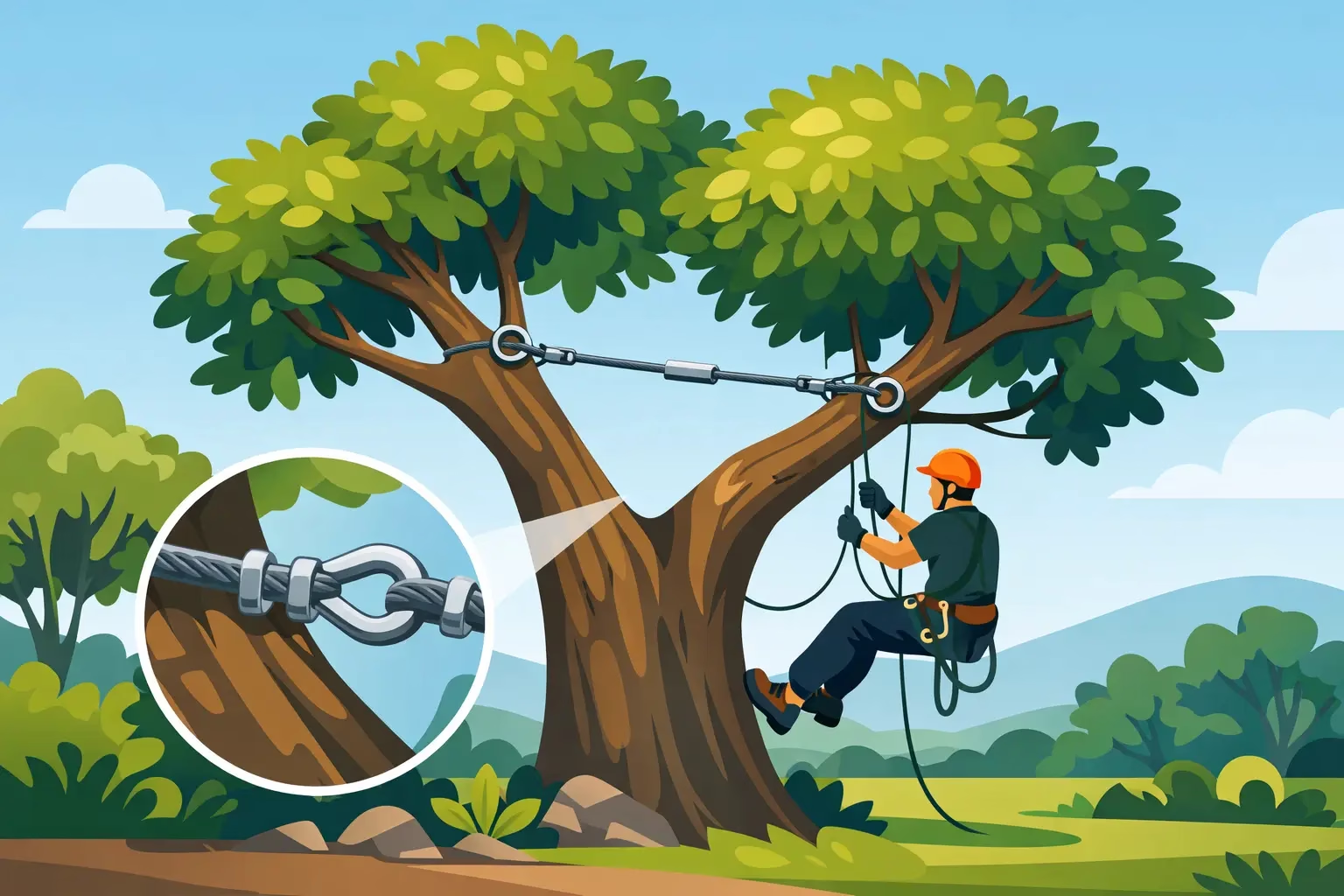
A large limb can look healthy from the ground and still be carrying more weight than its attachment can safely handle. This is how cabling prevents branch failure: a properly designed support system redistributes force in vulnerable parts of a tree before wind, snow, ice, or heavy foliage turns a weak union into a fallen limb.
For homeowners in Vancouver, Washington, that difference matters. A failed branch can damage a roof, block a driveway, injure someone below, or leave a mature tree with a wound that creates long-term decay problems. Professional cabling is not a cure for every structural issue, but for the right tree, it can preserve valuable canopy while reducing a known hazard.
How Cabling Prevents Branch Failure
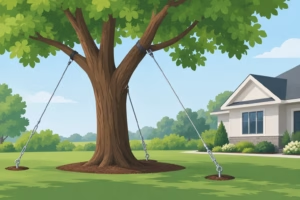
Tree cabling uses high-strength hardware installed between major stems or limbs to limit how far they can move apart under load. When wind pushes a heavy limb outward or snow adds weight to an extended branch, the cable shares some of that strain. It does not make a weak branch invincible. Instead, it lowers the chance that normal movement becomes a sudden split or break.
The goal is controlled support, not rigid restraint. Trees need to move in the wind. That movement helps them develop strength over time. A qualified arboricultural crew considers the tree species, branch size, canopy shape, defect location, and nearby targets before selecting a support approach.
In many cases, a cable is placed high in the canopy between two stems that could separate under pressure. This is often called a dynamic support system because it allows limited movement while providing backup support during high loads. In other situations, a static cable or a bracing rod may be appropriate. Bracing rods are installed through a split or weak union to help keep stems from pulling apart.
Cabling may be paired with selective pruning. Reducing the weight and wind resistance of an overextended limb can decrease stress at the attachment point, allowing the support system to work more effectively. Removing too much foliage, however, can stress the tree and lead to poor regrowth. Proper pruning is targeted, not indiscriminate.
Tree Problems That May Need Structural Support
Not every leaning or heavy-looking branch needs a cable. Some trees are better managed with pruning, while others have defects serious enough that removal is the safer choice. An on-site assessment is the only reliable way to make that call.
Cabling and bracing are commonly considered when a tree has co-dominant stems. These are two or more main stems growing from the same area, often in a narrow V-shaped union. If bark becomes trapped between those stems, called included bark, the connection may lack the strength of a normal branch attachment. As the stems grow larger, the risk of splitting can increase.
A long, horizontal limb extending over a roof, patio, parking area, or walkway may also need attention. The limb might be healthy, but its length and end weight can place substantial leverage on the point where it joins the tree. Wind loads are not always obvious from the ground. A branch that moves only slightly on a calm day may experience much greater force during a winter storm.
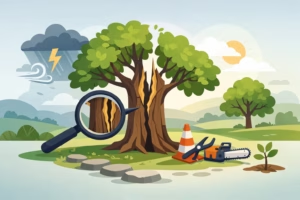
Other warning signs include a visible crack at a branch union, a seam running down a trunk, sudden leaning, previous limb failure, large decay openings, or a major branch that hangs lower than it once did. These signs do not automatically mean cabling is the answer. They do mean the tree should be evaluated promptly, especially when people, structures, or vehicles are within its fall zone.
Cabling Protects Trees and Property, but It Has Limits
Structural support is a risk-reduction measure, not a guarantee. Even a well-installed cable cannot compensate for extensive internal decay, damaged roots, a dead tree, or a tree with a severe trunk defect. In those cases, keeping the tree may create more risk than value.
The trade-off is important for property owners to understand. Cabling can help retain a mature tree that provides shade, privacy, and curb appeal. It may also reduce the immediate need to remove a structurally challenged limb. But it creates an ongoing maintenance responsibility. The support hardware must be inspected, and the tree itself will continue to grow and change.
A system that was appropriate several years ago may need adjustment as stems increase in diameter, pruning changes canopy weight, or new decay develops. Hardware that is ignored can become too tight, wear against the tree, or fail to provide the intended support. Professional inspection helps identify these issues before they become an emergency.
Why Professional Installation Matters
Installing a cable requires more than placing a wire between two branches. The hardware must be selected for the expected load and installed at the correct height and angle. Placement matters because it affects leverage, branch movement, and the amount of support the system can provide.
Incorrect installation can damage living tissue, create unnecessary wounds, place pressure on the wrong part of the tree, or give a homeowner a false sense of security. Work in the upper canopy also involves significant fall and electrical hazards. This is not a do-it-yourself project, particularly around large trees or trees near utility lines.
A professional tree care team should start with the whole tree rather than focusing only on the visible limb. That means assessing the root zone, trunk condition, branch unions, canopy balance, signs of disease or decay, and the location of nearby structures. The work should follow recognized tree care practices and be performed with appropriate safety procedures.
At M & R Tree Services, structural support recommendations are based on what will make practical sense for the tree and the property. Sometimes that means cabling and careful pruning. Sometimes it means removing a failed or hazardous limb. If a tree cannot be made reasonably safe, honest guidance may point toward removal rather than a temporary fix.
When to Schedule a Cabling Inspection
The best time to evaluate a weak branch is before it fails. Many homeowners call after a storm exposes a crack or leaves a limb partially broken. Emergency service is available for urgent situations, but proactive assessment often gives you more options and helps avoid damage in the first place.
Consider an inspection when you notice a heavy limb over a roof or high-use area, a split-looking union, or a tree that has changed after a storm. It is also wise to assess mature trees before the wet, windy season, especially if they have a history of shedding branches or growing multiple main trunks.
After severe weather, keep people away from hanging limbs and damaged trees. Do not pull on a suspended branch, climb the tree, or attempt to cut a limb that is under tension. A branch can shift unexpectedly as weight is removed. A qualified crew can evaluate the load, establish a safe work area, and determine whether pruning, cabling, bracing, or removal is the right next step.
A mature tree is an asset, but it deserves the same attention as any other major feature on your property. If you are concerned about a weak limb or splitting trunk, schedule a professional evaluation early. The right support system, installed and maintained correctly, can help keep a valued tree standing where it belongs.