When a tree starts leaning over your roof, dropping large limbs, or showing clear signs of decline, waiting rarely makes the situation cheaper or safer. This tree removal process guide is built for homeowners and property managers who want to understand how professional removal works before they schedule service.
Tree removal is not just cutting a trunk and hauling away debris. A proper job starts with evaluating the tree, the site, and the risks around it. Nearby power lines, fences, sheds, driveways, septic systems, and neighboring properties all affect the approach. The safest method for one yard may be the wrong method for the next.
Why the tree removal process matters
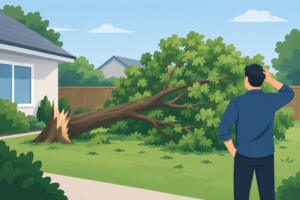
Most customers call when a tree has become a hazard, an obstruction, or a source of property damage concerns. Sometimes the issue is obvious, like a storm-split trunk or a tree that is already uprooting. In other cases, the warning signs are more subtle, such as dead upper limbs, fungus at the base, major trunk cracks, or repeated limb drop.
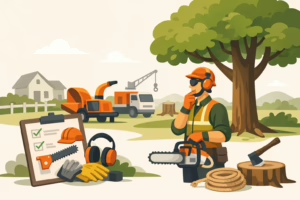
The removal process matters because safety and planning drive the outcome. A qualified crew does not show up and start cutting without a plan. They assess the lean, wood condition, drop zone, climbing access, rigging needs, and escape routes. They also consider whether a crane, sectional dismantling, or a more controlled piece-by-piece removal is necessary.
For homeowners, the biggest benefit of understanding the process is knowing what professional service should look like. It should be organized, safety-focused, and clear about what is included in the quote.
Tree removal process guide: what happens first
The first step is an on-site assessment. A professional will inspect the tree’s condition, species, size, structural issues, and location. They will also look at the surrounding work area to determine what equipment is needed and what level of risk is involved.
This is also when the crew identifies complications that affect price and timing. A tree in an open front yard is usually more straightforward than one hanging over a house or growing in a tight backyard with limited access. If the tree is storm-damaged or partially failed, removal may need to happen faster and with added precautions.
In some cases, removal is not the only option. If the tree is still structurally sound, pruning, cabling, or bracing may address the problem. A dependable tree company should tell you when preservation makes sense and when removal is the safer call.
Permits, utilities, and planning
Not every tree removal requires the same paperwork. Depending on the city, neighborhood rules, or tree type, permits may be required before work begins. This is one of those areas where local experience matters. Property owners often assume every tree can be removed immediately, but regulations can differ.
Utilities are another major factor. If branches are near service lines or the work area affects access, the removal plan may need to be adjusted. Power lines change everything. Trees close to energized lines require a much more controlled approach and should never be handled casually.
A professional company should explain the plan before the first cut is made. That includes where equipment will go, how debris will be managed, whether the tree will be dropped in sections, and what cleanup is included after removal.
How the tree is actually removed
The removal method depends on the tree and the space around it. In a large open area, a tree may sometimes be felled in one piece if conditions allow. In most residential settings, that is not the case. More often, the tree is dismantled in sections to protect the home, landscaping, fencing, and nearby structures.
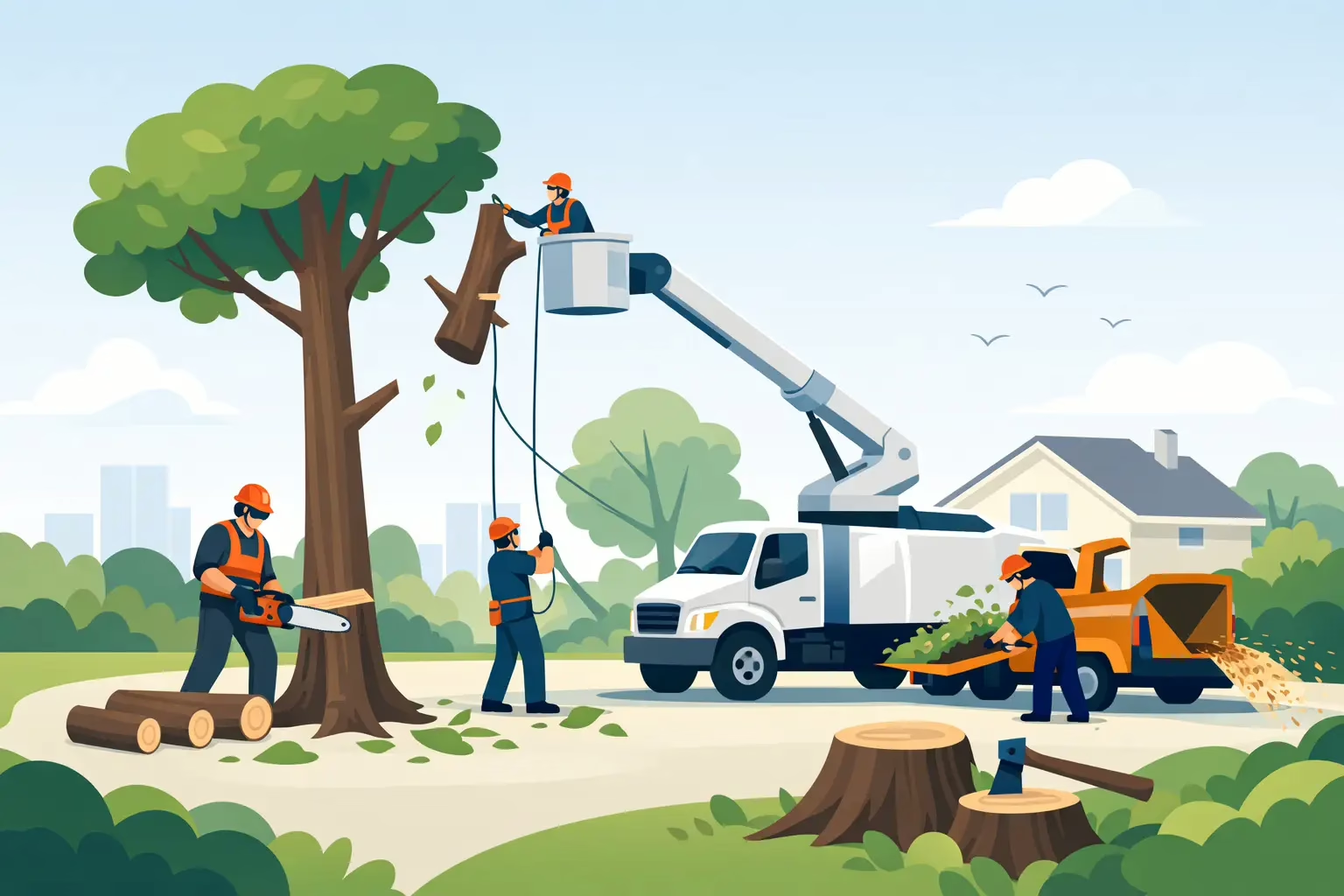
The crew may climb the tree or use specialized equipment to access the canopy. Limbs are removed first to reduce weight and create a safer working structure. From there, larger sections of the trunk are cut and lowered in a controlled way using ropes, rigging systems, or machinery. This keeps wood from free-falling onto the property.
For hazardous removals, each cut has a purpose. The crew works from the top down or in carefully planned segments, balancing safety with efficiency. ANSI standards and OSHA regulations matter here because they shape how the work is set up, how the crew protects itself, and how risks are managed throughout the job.
What homeowners should expect during the job
A professional tree crew should maintain a controlled work zone. You may hear chainsaws, chippers, and equipment throughout the process, but the site should still look organized rather than chaotic. Vehicles and tools should be positioned with intent, and the crew should keep people clear of the active work area.
Most homeowners do not need to be outside during removal. In fact, it is better if children, pets, and unnecessary foot traffic stay well away from the job site. If access through a gate, driveway, or side yard is needed, the company should communicate that in advance.
The length of the job depends on size, access, and complexity. A small tree in a simple location may be completed quickly. A large, compromised tree over a home can take much longer. Fast service is valuable, but controlled service is what protects your property.
Cleanup, hauling, and stump work
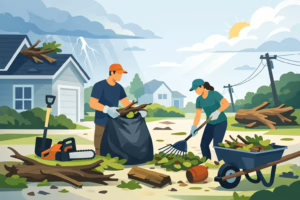
Removal is only part of the service. Cleanup is where professionalism becomes obvious. Once the tree is down, branches are chipped, wood is hauled or stacked based on the agreement, and the site is cleared of major debris.
Homeowners should ask whether stump grinding is included or quoted separately. Tree removal and stump removal are often different services. If the stump remains, the area still may not be ready for replanting, landscaping, or lawn restoration. Grinding the stump below grade is usually the better option when you want the yard fully usable again.
It is also worth asking what happens to sawdust, wood rounds, and surface roots. Some customers want firewood left on site. Others want everything removed. Clear expectations prevent frustration after the work is done.
Pricing factors and why estimates can vary
A fair tree removal estimate reflects risk, labor, equipment, access, and disposal. Size matters, but it is not the only factor. A medium tree over a garage may cost more to remove than a larger tree in an open area because the technical difficulty is higher.
Emergency calls also affect pricing. If a tree falls during a storm or becomes an immediate hazard after hours, the response may require urgent mobilization, hazardous conditions, and additional crew coordination. That does not mean pricing should be vague. It means the estimate should clearly show what is driving the cost.
The lowest quote is not always the best value. Tree work carries real liability. Proper insurance, safe work practices, experienced crews, and standards-based operations protect the homeowner as much as the workers on site.
Choosing the right company for the job
If you are comparing providers, ask practical questions. Are they experienced with hazardous residential removals? Do they explain the removal method clearly? Are they operating with attention to safety standards and jobsite control? Do they offer emergency response if the tree situation changes quickly?
Good communication is a strong sign. You should know what work is being performed, what equipment is coming onto the property, and what the site will look like when the job is finished. A trustworthy local company will be direct about timing, scope, and limitations.
For homeowners in Vancouver, Washington and nearby communities, M & R Tree Services focuses on safe, reliable tree work with professional standards and straightforward service. That matters when the job involves more than just appearance and directly affects your home, access, and peace of mind.
When to schedule removal sooner rather than later
Some trees can wait a few weeks for planning. Others should be addressed quickly. If the tree is leaning more than it used to, dropping large dead limbs, cracking at the trunk, lifting soil at the roots, or hanging over occupied areas, it is smart to schedule an inspection right away.
Storm season also changes the equation. A tree that seems stable in dry weather may fail under saturated soil, wind load, or ice. If you already have concerns, delaying service can turn a manageable project into an emergency call.
The best next step is simple: get the tree evaluated before the risk grows. A clear plan, a qualified crew, and honest communication can make a high-stakes job feel much more manageable.