When a storm drops a tree across your driveway or leaves heavy limbs hanging over the roof, decisions have to be made fast. This guide to emergency storm cleanup is built for homeowners and property managers who need a clear next step, especially when tree damage creates real safety risks.
Storm cleanup is not just a matter of hauling branches to the curb. Wind, saturated soil, and broken wood can leave trees unstable long after the rain stops. What looks manageable from the ground can involve split trunks, compromised root systems, or limbs under heavy tension. That is where many property owners get hurt.
What emergency storm cleanup really includes
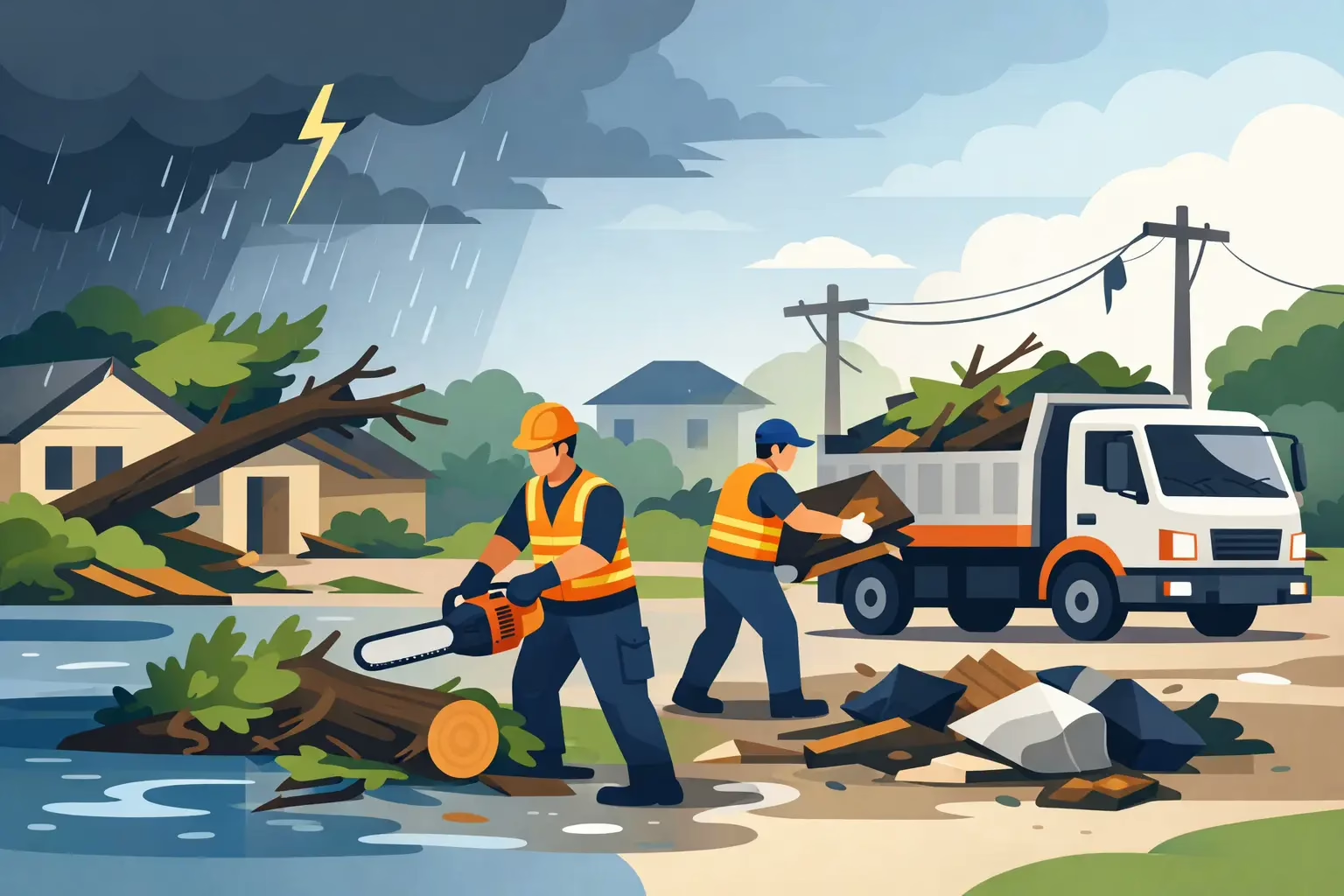
Emergency storm cleanup usually starts with hazard control, not cosmetic cleanup. The first priority is identifying what could still move, fall, or fail. A tree leaning toward a home, a cracked limb suspended above a walkway, or debris tangled in utility lines all need immediate attention before any regular cleanup begins.
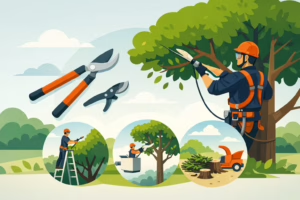
From there, the work may involve removing fallen trees, cutting and clearing large limbs, securing damaged trees, and assessing whether a tree can be saved with pruning or support systems. In more serious cases, full removal is the safest option. Every site is different, and the right approach depends on the size of the tree, where it landed, and how much structural damage the storm caused.
First steps in a guide to emergency storm cleanup
Start by keeping people away from the damaged area. That includes children, pets, tenants, and anyone tempted to inspect the damage too closely. Fallen trees and broken limbs can shift without warning, especially when they are resting on fences, roofs, sheds, or other trees.
Next, look for immediate red flags from a safe distance. If power lines are involved, stay clear and contact the utility company right away. If a tree has struck your home or another structure, treat the area as unstable until it has been evaluated. Even if the trunk is on the ground, the remaining sections may still be loaded with pressure.
It also helps to document the damage with photos. That can support insurance claims and give a tree service team a better picture of the site before arrival. Keep the documentation simple and safe. Do not climb, cut, or move debris just to get better photos.
If access is blocked or the damage is urgent, call a qualified emergency tree service as soon as possible. Fast response matters, but proper training matters more. Storm work is high-risk work.
What not to do after storm damage
The biggest mistake property owners make is assuming the cleanup is a basic yard job. Small branches on open ground may be simple enough to gather later, but anything involving a partially fallen tree, cracked limbs, roof contact, or a tree under tension should not be treated as DIY work.
Chainsaws are especially dangerous in storm conditions. Wet ground, unstable footing, twisted wood fibers, and hidden pressure points can turn a routine cut into a serious injury in seconds. The same goes for ladders placed near damaged trees. If the tree is compromised, the entire work zone is compromised.
Another common mistake is waiting too long on a damaged tree that is still standing. Not every storm-damaged tree falls right away. Some remain upright with internal fractures or root damage that worsen over the next few days. A tree that survives the storm can still fail during the next wind event.
When cleanup becomes a professional tree job
There is a clear line between yard debris cleanup and professional storm response. If a tree is on a structure, blocking access, touching utility lines, leaning heavily, split down the trunk, or hanging overhead, it needs trained handling. The same is true if large limbs are broken but still attached.
Professional crews bring more than equipment. They bring a plan for rigging, controlled cutting, site protection, and safe removal. That matters for preventing further damage to your home, vehicles, fencing, and surrounding landscape. It also matters for protecting everyone on site.
A reputable tree company should follow recognized safety practices and industry standards. For homeowners, that is a strong sign that the team takes storm response seriously rather than treating it like rushed cleanup. In high-risk conditions, professionalism is not a bonus. It is the job.
How damaged trees are evaluated
Not every storm-damaged tree has to come down. In some cases, targeted pruning can remove failed limbs and restore a safe structure. In others, cabling or bracing may help support a tree that still has long-term value. The key is whether the tree remains structurally sound.
A proper assessment looks at more than the visible break. The trunk may have hidden cracks. The root plate may have lifted. Saturated soil may have reduced stability. Sometimes the canopy damage is obvious, but the real issue is underground. Other times a tree looks dramatic after a storm but can recover well with the right corrective work.
That is why cleanup and tree care often overlap. The immediate emergency may be removing what fell, but the next step is deciding what to do with what is still standing.
Timing matters, but so does doing it right
After a major storm, everyone wants service quickly, and that is understandable. Driveways are blocked, fences are crushed, and the stress is real. Still, storm cleanup should be prioritized by hazard level, not just inconvenience.
A limb on the lawn can usually wait. A split tree over the house cannot. A branch pile by the fence is different from a trunk resting on a garage. The best emergency response teams will ask the right questions so they can understand the urgency and dispatch accordingly.
It is also worth knowing that full site restoration may take more than one visit. Immediate emergency work often focuses on making the property safe and accessible. Final debris removal, stump work, or non-urgent pruning may be scheduled after the hazard is addressed. That is not a delay in service. It is often the safest and most efficient way to handle storm damage.
Choosing the right company for emergency storm cleanup
If you need help fast, it is easy to focus only on availability. Response time matters, but it should not be the only factor. You also want a company with real experience in storm-damaged trees, proper equipment, and a clear commitment to safe work practices.
Ask whether they handle emergency tree service regularly. Ask whether they are licensed and insured for the work they perform. Ask how they approach hazardous removals near homes and structures. A professional company should be able to answer directly and confidently.
For property owners in Vancouver, Washington and nearby communities, working with a local company can also make a difference. Local crews understand common storm patterns in the area, tree species that tend to fail under wind or saturated soil conditions, and the urgency of restoring safe access to homes and rental properties. M & R Tree Services is built around that kind of dependable, safety-focused response.
Preparing for the next storm after cleanup
Once the immediate damage is cleared, it is smart to look at prevention. Storm cleanup often reveals which trees were already vulnerable. Dead limbs, poor branch unions, overextended canopies, and neglected structural issues tend to show up when weather gets severe.
Preventive pruning can reduce the chance of future failures. In some cases, removing a declining tree before the next storm is the safer and more affordable choice. Structural support systems may help preserve valuable trees with specific weaknesses. It depends on the species, condition, location, and level of risk.
This is where experienced tree care pays off. A thoughtful recommendation should not jump straight to removal in every case, but it should be honest about what is safe. Property owners need practical advice, not guesswork.
Storm damage creates pressure to act quickly, and that pressure is real. The safest move is to secure the area, avoid the temptation to handle dangerous tree work yourself, and bring in a qualified team that can assess the full situation. When cleanup is done with care, you are not just removing debris. You are protecting your home, your property, and the people who rely on it.