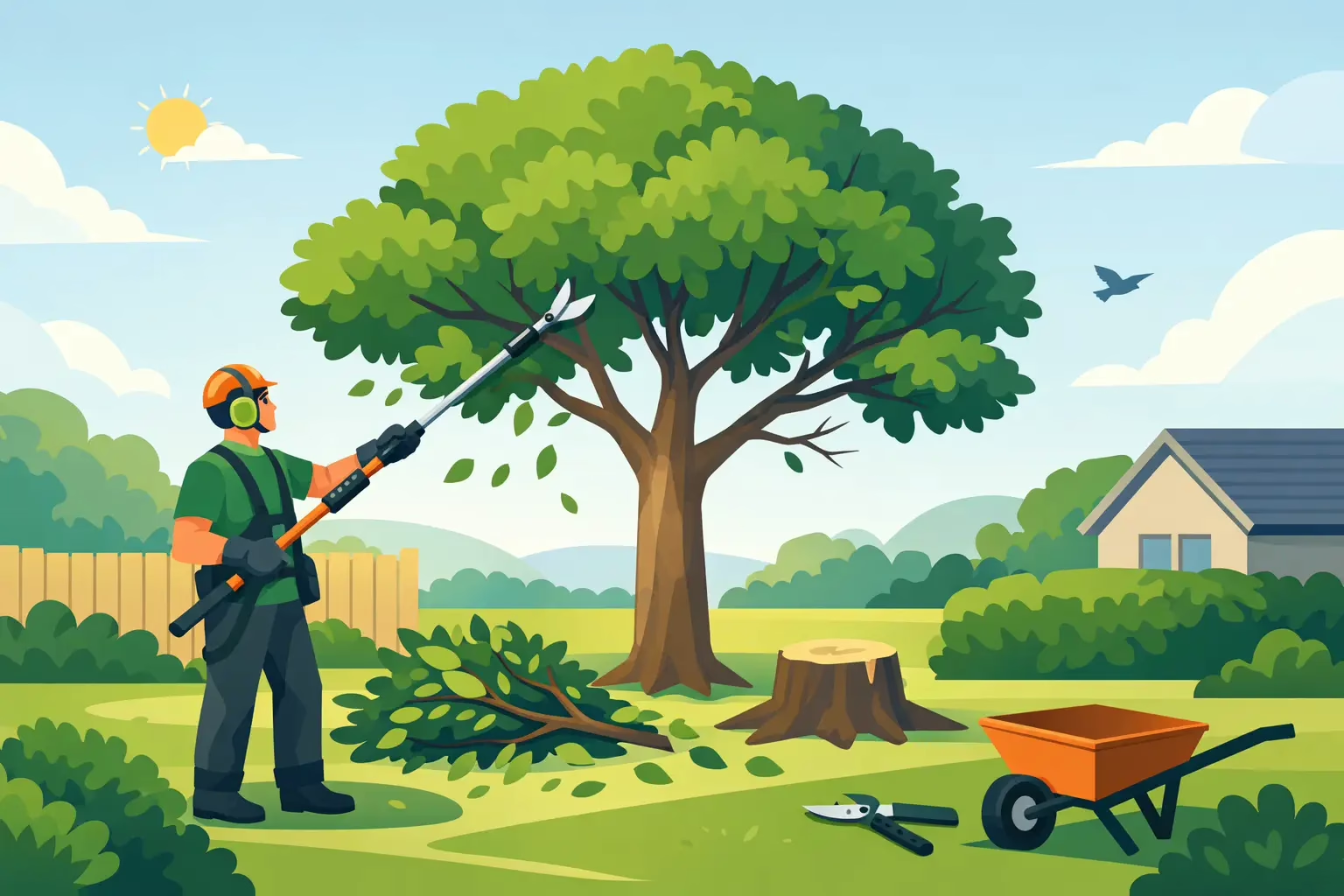
A branch does not have to fall to become a problem. In many yards, the first warning signs are subtler – limbs stretching over a roof, growth pushing into power lines, dense canopies blocking light, or deadwood hiding high above the ground. That is where professional tree trimming matters. Done correctly, tree trimming protects your home, improves the health and structure of the tree, and helps prevent small issues from turning into expensive damage.
For homeowners and property managers, this is not just about appearance. A well-maintained tree can add value and shade. A neglected one can create safety risks, interfere with structures, and become more vulnerable during heavy wind, rain, or snow. The goal is not to cut as much as possible. The goal is to make smart, controlled cuts that support long-term health while reducing risk.
Why tree trimming matters
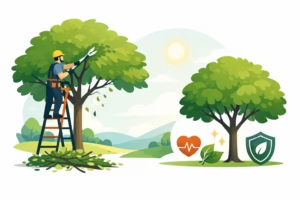
Tree trimming serves several purposes at once. The most obvious is safety. Dead, cracked, or overextended limbs can fail without much warning, especially during storms or after periods of stress. Removing hazardous branches reduces the chance of damage to homes, vehicles, fences, and walkways.
There is also a health benefit. Trees often develop crowded canopies, rubbing limbs, weak branch attachments, or growth patterns that put stress on the trunk. Strategic trimming can improve airflow, allow better light penetration, and direct growth in a stronger, more balanced way. In some cases, it also reduces the spread of decay by removing compromised material before the problem gets worse.
Curb appeal matters too, but appearance should never be the only reason for cutting. Good trimming improves shape without over-thinning or stripping the tree. When cuts are made to meet a visual goal without regard for structure or species, the result can be a tree that looks cleaner for a season but becomes weaker over time.
Not every tree needs the same approach
One of the biggest misconceptions about tree trimming is that every tree can be treated the same way. It depends on the species, age, size, condition, and location of the tree. A young ornamental tree near a driveway needs a different plan than a mature shade tree growing close to a house.
Timing matters as well. Some trees respond best to pruning during dormancy. Others may need attention after storm damage or when a hazard develops, regardless of season. There are also cases where delaying work is the better choice, especially if a tree is already stressed by drought, disease, or recent construction activity.
This is why professional assessment is important. Proper trimming is not just about removing what looks inconvenient. It is about understanding how that tree will respond to each cut and what will best serve the property over the next several years, not just the next few months.
Common reasons property owners schedule tree trimming
In residential neighborhoods, the need for trimming usually shows up in practical ways. Branches may be brushing the roof or hanging over gutters. Limbs may block sightlines near a driveway or street corner. Trees may be crowding one another, reducing airflow and creating a heavier canopy than the structure can support.
Storm preparation is another major reason. In the Vancouver, Washington area and surrounding communities, weather can put significant stress on mature trees. Trimming deadwood and reducing end weight on overextended limbs can lower the chance of failure when strong weather moves through.
Some property owners also call after noticing signs of decline. That might include dead branch tips, split limbs, fungal growth, or a canopy that has become uneven. Trimming is not a cure-all, but it can be one part of a larger care plan that supports the tree and makes the property safer.
What professional tree trimming should include
A reliable tree trimming service starts with evaluation, not cutting. The tree should be inspected for structural issues, decay, weak unions, clearance needs, and overall health. From there, the crew can determine what kind of trimming is appropriate.
That may include removing dead or broken limbs, thinning selected interior growth, reducing overextended branches, raising canopy clearance over structures or walkways, or shaping young trees for stronger development. In more complex cases, trimming may be paired with cabling or bracing to support vulnerable limbs or stems.
Just as important is what should not happen. Topping, excessive canopy removal, and random heading cuts often create long-term problems. They can trigger weak regrowth, expose the tree to stress, and leave it more prone to disease and failure. Professional work follows accepted arboricultural practices and should be performed with safety standards in mind, including ANSI guidance and OSHA-compliant work practices.
Tree trimming and property safety
For many customers, safety is the main reason to call. That makes sense. Tree work often involves height, weight, power tools, rigging, and unpredictable wood tension. Even a branch that looks small from the ground can be far heavier than expected once it is in motion.
There is also the issue of nearby hazards. Trees growing around homes, garages, fences, utility areas, and neighboring properties require controlled work. A mistake can damage structures or create liability issues. That is one reason professional crews use trained methods, proper equipment, and clear work planning instead of taking a guess-and-cut approach.
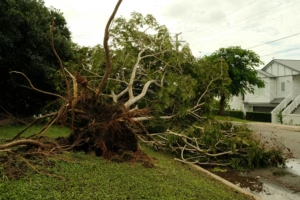
If a tree has storm damage, visible cracks, or hanging limbs, the need for caution increases. In those situations, trimming may become part of an urgent response rather than routine maintenance. Quick action matters, but so does doing the job correctly.
When trimming is enough – and when it is not
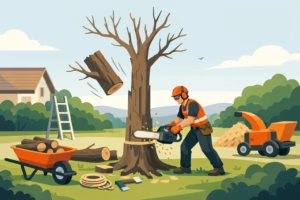
Tree trimming is valuable, but it is not always the right answer by itself. Sometimes a tree has structural defects, extensive decay, root damage, or a lean that makes long-term retention unrealistic. In those cases, trimming may reduce immediate risk without solving the larger problem.
That is why honest recommendations matter. A trustworthy company should explain whether trimming will address the issue, whether structural support could help, or whether removal is the safer course. There is no benefit in overselling maintenance on a tree that is unlikely to recover or remain safe.
On the other hand, removal is not automatically the best option just because a tree looks overgrown. Many mature trees can be made much safer and healthier with proper pruning and routine care. The right decision comes down to condition, location, and risk tolerance.
Choosing a tree trimming company
When you hire a company for tree trimming, you are trusting them with more than a landscape feature. You are trusting them to protect your property and make sound decisions about a living structure that can take decades to grow. Experience matters, but so do work standards, insurance, and a clear commitment to safe practices.
Look for a company that communicates clearly about the scope of work, explains what needs to be done and why, and does not push unnecessary cutting. Local knowledge is important too. Trees in this region face specific weather conditions, site challenges, and growth patterns, so it helps to work with a team that understands the area.
M & R Tree Services approaches tree care with that mindset – practical recommendations, reliable service, and work performed with safety and professional standards at the center. For customers, that means fewer surprises and more confidence in the result.
A better long-term view of tree care
The best time to address a tree problem is usually before it becomes urgent. Routine trimming can help prevent roof contact, reduce storm vulnerability, improve visibility, and catch developing issues early. It also gives property owners a clearer sense of which trees are thriving and which may need closer attention in the future.
That said, there is no one-size-fits-all schedule. Some trees benefit from more regular pruning, while others need far less intervention. The right interval depends on growth rate, species, age, site conditions, and proximity to homes or other structures. A good plan is tailored to the property, not copied from a generic calendar.
If a tree on your property is overgrown, storm-damaged, or starting to raise concerns, it is worth having it evaluated sooner rather than later. The right trim at the right time can protect your yard, preserve a valuable tree, and give you one less thing to worry about when the weather shifts.