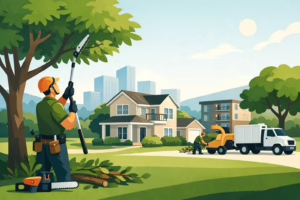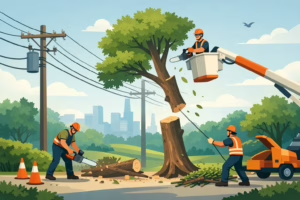
A large tree can look manageable from the ground until you notice how close its limbs are to the roof, power lines, fence, or a neighbor’s property. Tree removal preparation is what turns a potentially disruptive project into a controlled, professional job. The goal is not to have homeowners perform hazardous work. It is to give the tree crew a clear, safe workspace so they can focus on the removal itself.
For homeowners and property managers in Vancouver, Washington, proper preparation also helps prevent delays. Wet weather, narrow access points, underground utilities, and shared driveways can all affect the plan. A qualified tree service will assess those conditions before work begins, but a few simple steps on the property can make a real difference.
Start With a Professional Site Assessment
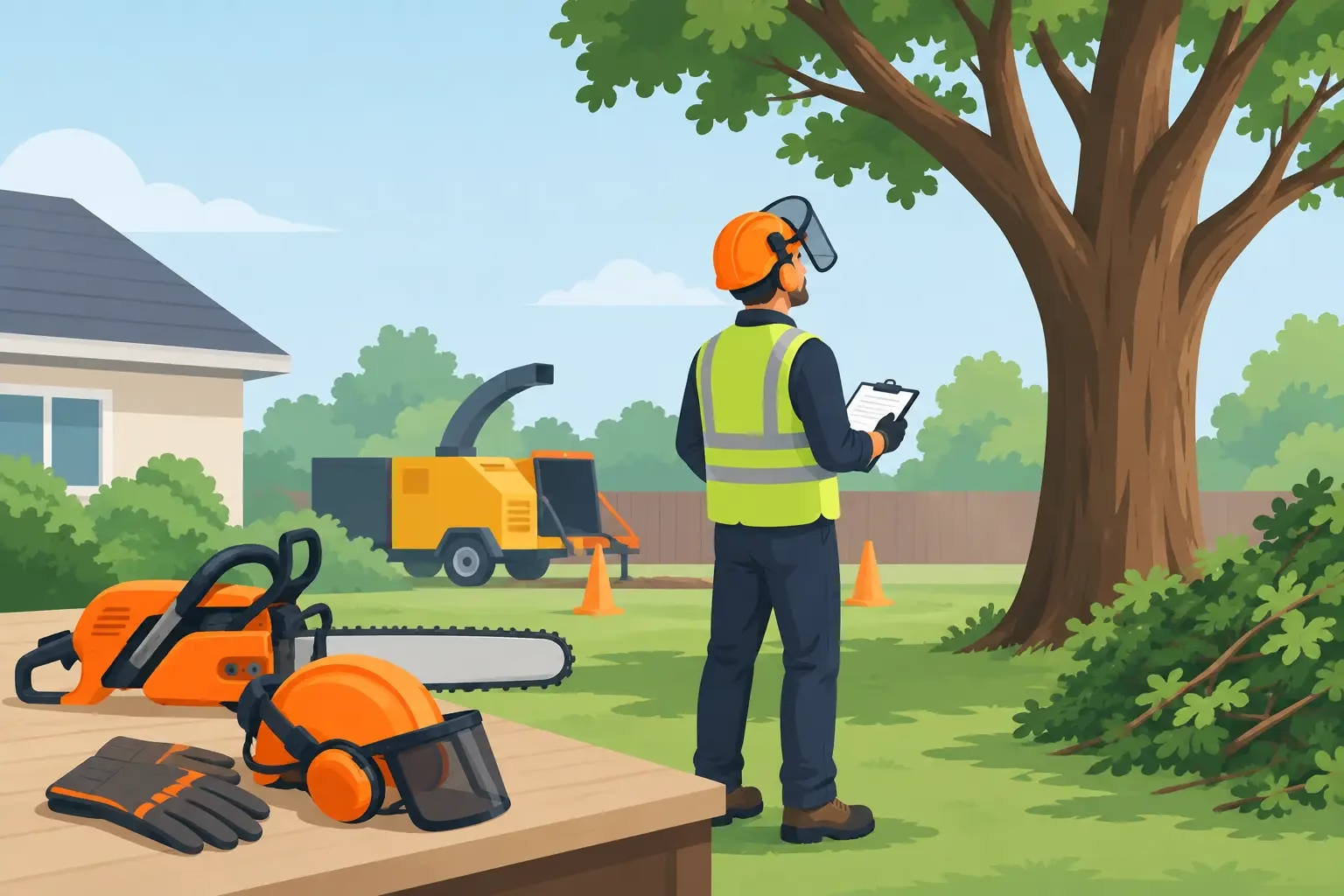
Every tree removal should begin with an on-site evaluation. The tree’s height, lean, condition, branch structure, and location all determine the safest removal method. A healthy-looking tree may still have internal decay, root damage, or weak branch unions that change how a crew approaches the work.
During the assessment, the crew should also look at nearby homes, garages, fences, landscaping, driveways, utility lines, and access routes. Some trees can be removed in sections from the ground. Others require climbing, rigging, aerial equipment, or careful lowering of wood to avoid damage below. The right method depends on the property, not just the size of the tree.
Ask the company how it plans to protect your property and whether stump grinding, debris removal, or wood removal is included in the scope of work. Clear expectations before the scheduled date help avoid surprises after the tree is down.
Permits and Utility Considerations
Depending on the location and the reason for removal, a permit may be required. Rules can vary by city, neighborhood, development, and tree type. If the tree is on a property line or its branches extend over a neighboring yard, communication with the neighbor is also a practical step before the crew arrives.
Underground utility locations matter when equipment will travel across the yard or when a stump will be ground out. Overhead power lines require even greater caution. Homeowners should never attempt to trim or remove branches near energized lines. If a tree is touching, leaning into, or threatening electrical equipment, contact the utility provider and a qualified tree professional right away.
Clear Access Before Tree Removal Day
Tree crews need room for people, equipment, and falling debris. The exact access needs vary, but the work area should be as open as possible before the scheduled appointment. Move vehicles out of the driveway and away from the tree, especially if the crew needs to bring in a chipper, truck, stump grinder, or aerial equipment.
Keep gates unlocked and make sure the crew can reach the work area without navigating around parked cars, patio furniture, grills, toys, or lawn decorations. If a gate is too narrow for necessary equipment, the crew may need an alternate route or a different plan. Mention access limitations during the estimate rather than waiting until the day of service.
If the tree is in a backyard, consider the route from the street to the work zone. Crews may need to move branches, logs, and equipment through that path several times. Remove fragile items and point out anything that cannot be moved, such as irrigation controls, septic components, decorative rock, or low landscape lighting.
Protect People, Pets, and Personal Property
A professional crew establishes a controlled work zone, but property owners play an essential role by keeping that area clear. Plan for children and pets to stay indoors or away from the job site for the duration of the work. Falling limbs, moving equipment, wood chips, and vehicle traffic make a tree removal site unsafe for visitors.
Let tenants, neighbors, or regular service providers know when work is scheduled if their access could be affected. This is especially useful for shared driveways, closely spaced homes, and properties where branches may be lowered near a boundary line.
Before the crew arrives, close windows near the work area and move outdoor items that could be damaged by sawdust or small debris. That includes patio cushions, potted plants, bird feeders, outdoor lighting, and yard art. A reputable crew uses controlled cutting and rigging methods, but removing these items is an easy way to reduce risk.
Identify What Needs Special Protection
Walk the area with the estimator if possible and point out features that may not be obvious. Newly planted shrubs, garden beds, sprinkler heads, retaining walls, drainage systems, and buried lines deserve attention. If you have an irrigation system, mark exposed heads or controls that could be affected by equipment movement.
It also helps to discuss what can reasonably be protected and what may be affected by the job. Tree removal is demanding work, and heavy logs or equipment can compact soil or leave marks in turf, particularly during rainy Pacific Northwest conditions. In some situations, waiting for drier ground may better protect a lawn. In others, a hazardous tree should be addressed promptly despite the potential for minor landscape disruption.
Know What Will Happen to Wood and Debris
Tree removal preparation should include a conversation about cleanup. Some homeowners want all wood, brush, and chips hauled away. Others may want firewood-length sections left on site or wood chips for landscape use. Make that decision before the work begins, since the crew’s equipment and labor plan may differ based on disposal needs.
Keep in mind that not all wood is useful as firewood. Diseased, decayed, insect-damaged, or overly green wood may not be a good choice to keep. Large rounds can also be extremely heavy and difficult to move safely. If you want wood left behind, ask for manageable lengths and designate a location that does not block access, drainage, or walkways.
Stump removal is a separate consideration. Removing the tree does not automatically remove the stump and root flare. Stump grinding can improve the appearance and usability of the area, but the final depth and surrounding root conditions depend on the tree species, soil, utilities, and site access. Discuss future plans for the space, whether that means grass, a new tree, a patio, or a garden bed, so the service can be planned accordingly.
Prepare for Noise, Equipment, and Changing Conditions
Tree work is not quiet. Chainsaws, chippers, trucks, and stump grinders create significant noise, even when the work is handled efficiently. If you work from home, have young children, or manage a rental property, plan around the scheduled service window.
Weather can also change the schedule. High winds, lightning, saturated ground, or unsafe visibility can make tree removal more dangerous. A professional company should postpone non-emergency work when conditions do not support safe operations. That is not an inconvenience to overlook. It is a sign that the crew is prioritizing proper safety standards over rushing a job.
For emergency storm damage, the situation is different. A fallen tree, split trunk, or hanging limb may require prompt attention to prevent additional property damage. Even then, keep people out of the area and do not go underneath broken or suspended branches. Take photos from a safe distance for insurance documentation, then let trained professionals evaluate the hazard.
Choose Safety Over Shortcuts
Tree removal involves heights, heavy wood, sharp equipment, and unpredictable forces. The lowest quote is not always the safest value if it does not reflect proper training, insurance, equipment, and jobsite practices. Ask whether the crew follows ANSI tree care standards and OSHA safety requirements, and make sure you understand the work plan before authorizing the project.
At M & R Tree Services, preparation starts with a practical evaluation of the tree and the property around it. That approach helps our crew work efficiently while protecting the people, structures, and outdoor spaces that matter to you.
A little preparation gives a professional crew the room and information they need to do the job right. If a tree on your property is declining, damaged, overgrown, or too close to a structure, schedule an evaluation before a small concern becomes an urgent problem.