A freshly ground stump can make a yard look finished, but the work below ground is not always over. Homeowners often ask, does stump grinding kill roots? Usually, no. Grinding removes the visible stump and the root flare near the surface, but most of the larger root system remains underground. Whether those roots die, decay, or keep producing new growth depends on the tree species, its condition before removal, and how thoroughly the stump was treated.
For most Vancouver-area properties, stump grinding is the practical, cost-effective choice after tree removal. It removes the trip hazard, clears space for lawn or landscaping, and allows the remaining roots to break down naturally over time. However, certain situations call for more planning – especially when a tree is known for aggressive suckering or when future construction is planned near the old stump.
What Stump Grinding Actually Removes
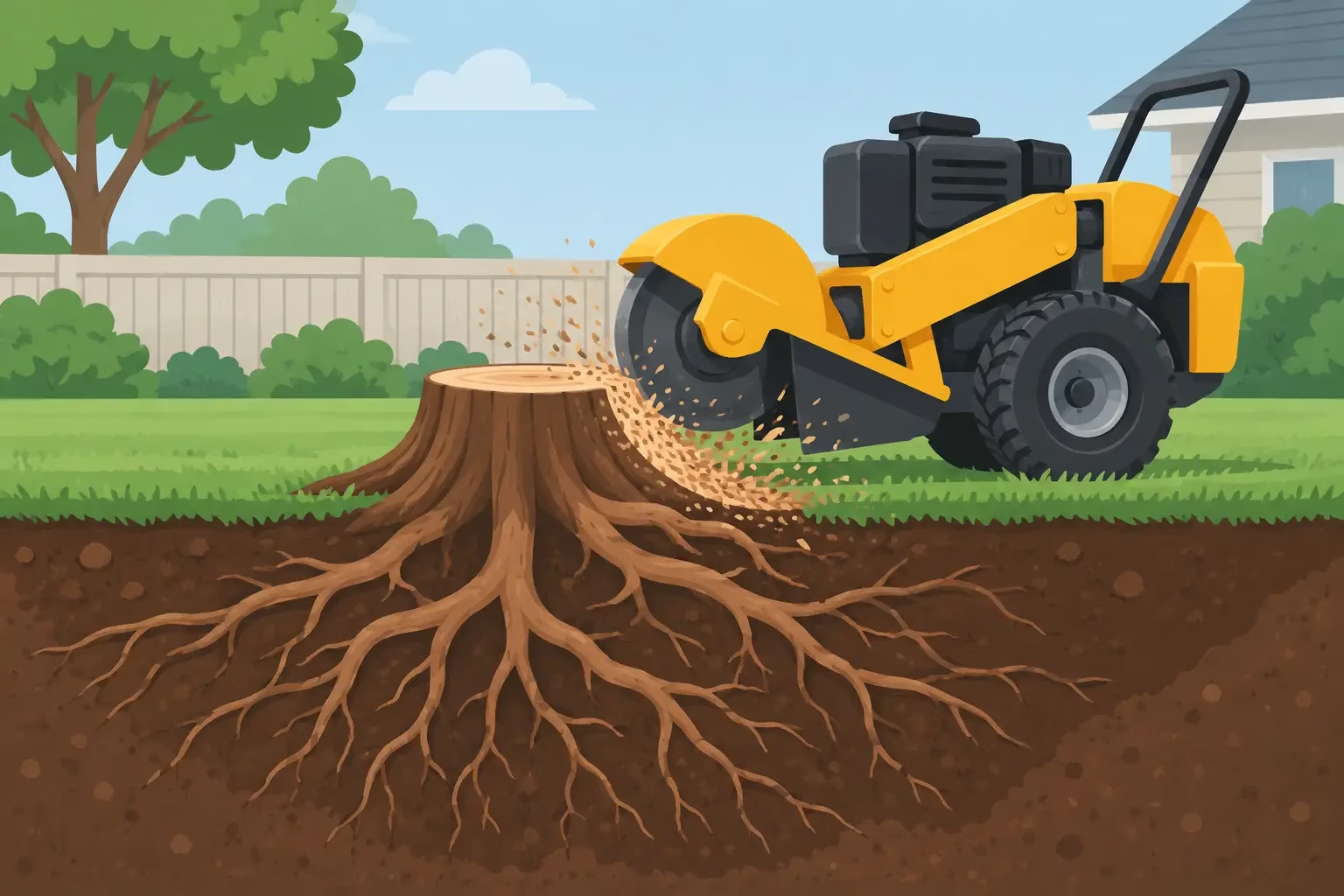
A professional stump grinder uses a rotating cutting wheel to reduce the stump into wood chips, generally several inches below grade. The goal is to remove the portion of the tree that remains above ground and the dense wood around the base where major roots begin.
The machine does not chase every root through the yard. Tree roots can extend far beyond the canopy, and removing them all would require extensive excavation that may damage lawns, irrigation lines, driveways, sidewalks, or nearby trees. Instead, the remaining roots are left in place to decompose.
Once the stump is ground, the tree no longer has leaves to produce energy. For many species, that ends the root system’s activity. The roots gradually die and become part of the soil. This process can take several years, particularly with large, mature trees and dense hardwood roots.
Does Stump Grinding Kill Roots Completely?
Stump grinding stops the main stump from being a living, above-ground structure, but it does not instantly kill every root. In most cases, roots will no longer receive the energy needed to stay active and will decay naturally. That is why grinding is effective for the majority of residential stump-removal needs.
There is one important exception: some trees are persistent sprouters. Species such as willow, poplar, cottonwood, maple, elm, black locust, and some ornamental trees can send up shoots from roots or from the edge of the remaining stump. These shoots, commonly called suckers, may appear in the lawn or planting beds after the tree is removed.
Suckers do not always mean the grinding was done poorly. They can be the tree’s natural response to losing its trunk. A healthy root system may have enough stored energy to produce shoots for a period of time. Repeatedly cutting or treating those shoots, when appropriate, eventually exhausts that stored energy.
Why Root Suckers Can Return After Grinding
The chances of regrowth depend largely on species and timing. A recently cut, vigorous tree is more likely to send up suckers than a declining tree that was already in poor condition. Roots that are still connected to a substantial portion of the stump also have a better chance of producing new shoots.
Grinding well below the surface reduces this risk because it removes the main regrowth point. Still, a grinder cannot always prevent shoots arising from lateral roots farther out in the yard. If suckers return, they should be addressed early before they become established.
Avoid simply covering fresh suckers with mulch or soil. They can push through and continue growing. A tree care professional can identify the species, assess the regrowth pattern, and recommend the right next step for the property.
What Happens to Roots Left Underground?
Roots do not disappear immediately after stump grinding. They slowly decay as fungi, soil organisms, moisture, and time break down the wood. Fine roots typically decompose sooner, while larger structural roots may remain for years.
As those larger roots decay, it is possible for minor settling to occur in the soil above them. This is most noticeable where a large tree stood close to a lawn, garden bed, patio, or driveway. The settling is usually gradual, but it may require adding soil and reseeding or adjusting a landscape bed later.
The remaining roots are generally not a concern for healthy nearby plants. In fact, as they decompose, they add organic material to the soil. The main consideration is the location. If a homeowner plans to install a fence, build an addition, place a new patio, or run underground utilities through the area, full stump and root excavation may be worth discussing before construction begins.
Stump Grinding vs. Full Stump Removal
Stump grinding and full removal solve different problems. Grinding is less disruptive and is usually the preferred option when the goal is to restore the appearance and usability of a yard. It eliminates the visible stump without tearing up a large section of the property.
Full stump removal involves excavating the stump and major roots. It may be needed when roots interfere with planned construction, when a stump is located in a tight planting area, or when repeated sucker growth creates an ongoing issue. It is more invasive work, often requiring repair to surrounding turf and landscape features afterward.
For most homeowners, there is no benefit in removing every root simply because a tree was removed. A qualified crew can look at the site, the species, access for equipment, and your plans for the space to recommend the right approach.
Can Old Roots Damage Pipes, Foundations, or Pavement?
A common concern is that leftover roots will continue damaging nearby structures. After a tree is removed and the stump is ground, roots are no longer actively growing in the same way. They do not continue forcing their way into sound foundations or healthy water lines.
That said, roots may have already contributed to a problem before the tree was removed. Roots are often drawn to moisture around leaking sewer lines, cracked drains, or poorly sealed joints. Removing the tree does not repair the pipe, and decaying roots may leave voids around an existing damaged line. If there is a known plumbing issue, a licensed plumbing inspection is the best way to determine the condition of the pipe.
The same applies to lifted sidewalks and driveways. Grinding the stump improves the site, but pavement that was already raised or cracked may still need repair. Addressing the stump first often makes that work easier and safer.
Planning for Grass, Gardens, and New Trees
After grinding, the resulting wood chips can be useful in a landscape bed, but they should not be piled deeply over the old stump location if you plan to plant grass. Excess wood chips can temporarily use nitrogen as they break down, which may make it harder for new grass to establish. Removing or spreading the bulk of the grindings, adding clean topsoil, and reseeding is often the better lawn-restoration plan.
If you want to plant a new tree, do not place it directly in the old stump’s grinding hole. The area may settle, contain woody debris, and lack the stable soil structure a young tree needs. Select a location several feet away when possible, and choose a species suited to the available space, soil, and light.
For vegetable gardens or ornamental planting beds, the former stump area can be used after the grindings are managed and the soil is refreshed. Patience matters here. A well-prepared bed will perform better than one planted immediately into a deep pocket of wood chips.
When to Call a Professional
Stump grinding is heavy equipment work, and it can involve buried utilities, rocks, irrigation components, fencing, and limited access around a home. A professional assessment is especially valuable if the stump is near a structure, utility line, retaining wall, driveway, or mature tree you want to protect.
At M & R Tree Services, our experienced team can assess whether standard stump grinding is the right fit or whether the location and future use of the property call for a more complete removal plan. We approach every job with the safety practices and attention to site conditions homeowners expect from professional tree care.
A stump does not need to become a long-term obstacle in your yard. With the right plan, you can clear the space, manage any possible regrowth, and prepare the ground for whatever comes next – lawn, landscaping, or a safer, more usable outdoor area.