That old stump in the yard usually becomes a problem before it becomes a priority. It gets in the way of mowing, attracts insects, creates a tripping hazard, and keeps the area from looking finished. If you are trying to decide on the best stump removal method, the right answer depends on what you want the space to do next, how quickly you need the stump gone, and how much disruption you can tolerate.
For most residential properties, stump grinding is the method that makes the most sense. It is fast, efficient, and far less invasive than full excavation. But that does not mean it is always the only option. Some stumps need complete removal, and some property owners are weighing cost, timeline, or future landscaping plans before making a decision.
What is the best stump removal method?
In most cases, the best stump removal method is professional stump grinding. It removes the visible stump, reduces the root crown below grade, and allows the area to be restored with soil, seed, sod, or new planting. It is typically the best balance of speed, affordability, and minimal impact on the surrounding yard.
That said, there is a difference between stump grinding and full stump removal. Grinding handles the stump itself and leaves much of the root system in place underground to decay naturally over time. Full removal pulls out the stump and major roots, which creates a larger hole and more disturbance but may be necessary if you are preparing for construction, hardscaping, or replanting in the exact same spot.
The best choice comes down to the property, not a one-size-fits-all rule.
Comparing the best stump removal methods
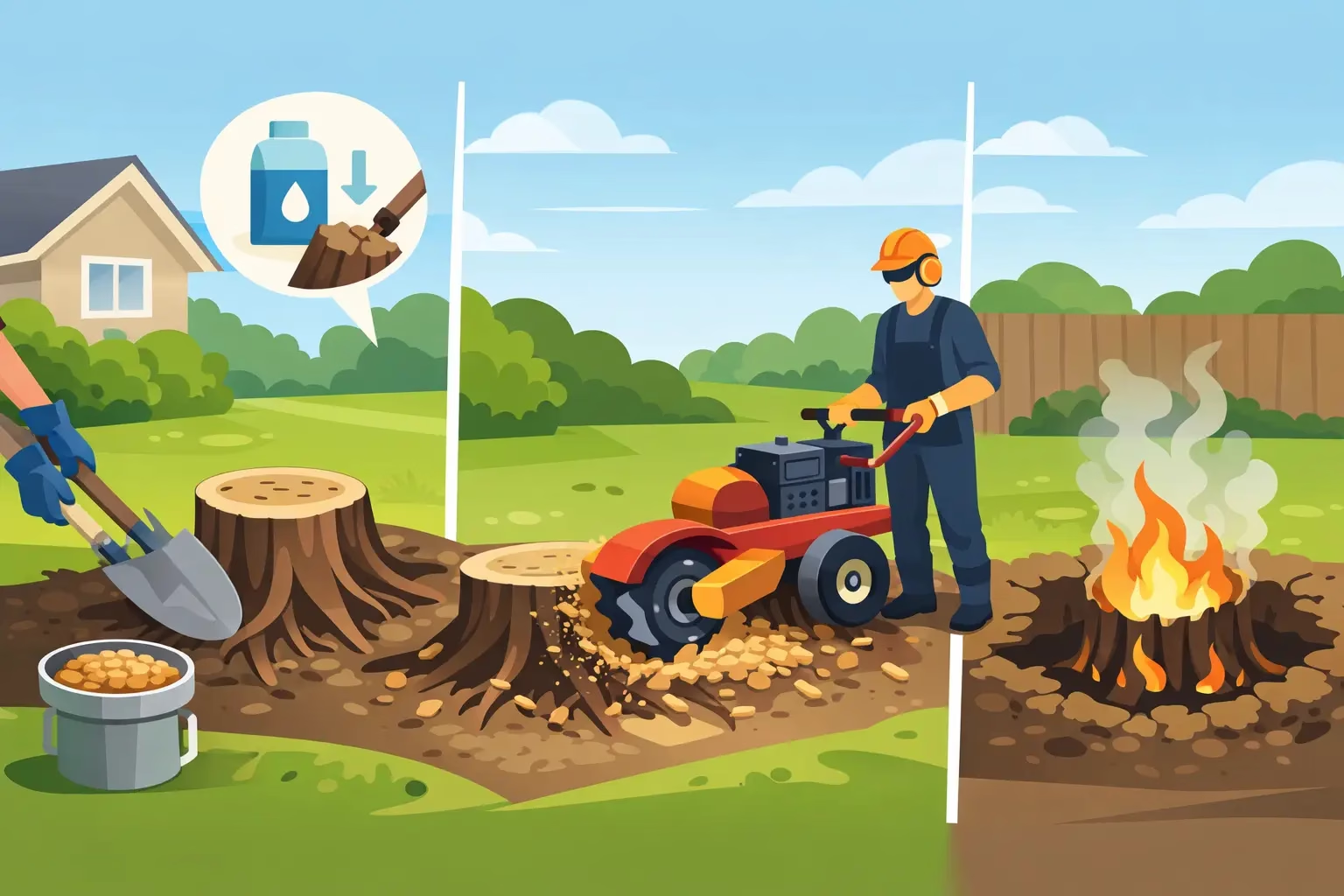
Stump grinding
Stump grinding is the option most homeowners choose because it solves the practical problem without turning the yard into a major excavation site. A professional grinder chews the stump down below the soil line, leaving wood chips that can be removed or reused depending on the project.
The biggest advantage is efficiency. Grinding is usually completed in a fraction of the time required for digging out a stump by hand or with heavy equipment. It also helps protect nearby lawn areas, irrigation, fencing, and other landscaping features because the work is focused on the stump itself.
For homeowners who want the area cleaned up and usable again quickly, grinding is usually the strongest option. If the plan is to level the area, add grass, or simply eliminate a hazard, it checks the right boxes.
Full stump and root removal
Full removal is more aggressive. Instead of grinding the stump down, the stump and major root mass are extracted from the ground. This may be the better route if you need a completely clear area for a foundation, driveway extension, retaining wall, or another project that cannot have buried roots in the way.
The trade-off is yard disruption. Full removal often requires more labor, more equipment access, and more restoration afterward. It can also be more expensive because of the added time and site repair involved.
When customers ask whether this is the best stump removal method, the honest answer is that it is the best only when the future use of the space demands complete removal. If not, grinding is usually more practical.
Chemical stump removal
Chemical treatments are sometimes marketed as a low-effort alternative, but they are generally slow and limited in real-world residential settings. These products are intended to speed up wood decay over time, not remove the stump quickly. That means you may still be looking at the stump for weeks or months before it softens enough to break apart.
This approach also does not address the immediate safety or appearance issue. If the stump is creating an obstacle in the yard, attracting pests, or interfering with landscaping plans, chemical treatment rarely gives property owners the result they actually want.
For that reason, it is usually not the best fit for customers who want the job handled efficiently and correctly.
Burning the stump
Burning may sound simple, but it is rarely a good option for residential properties. Local regulations, fire risk, weather conditions, and the stump’s moisture content all make this method unreliable and potentially unsafe. In many neighborhoods, it is not practical or permitted.
Even when burning is allowed, it is difficult to control and often leaves behind a partially burned root mass. That means the stump problem is not truly solved, and the property owner is still left with cleanup and repair.
From a safety and liability standpoint, this is not the route most homeowners or property managers should consider.
Why stump grinding is usually the best stump removal method
The reason grinding is so often recommended is simple. It removes the part of the stump that causes the daily problem while avoiding the larger mess of excavation.
It is a good fit when the goal is to restore the yard, improve curb appeal, eliminate a tripping hazard, or prevent the stump from interfering with mowing and routine maintenance. It is also a strong choice when the stump sits near fences, patios, walkways, or planted areas where extensive digging would create unnecessary damage.
Grinding also tends to be more cost-effective than full extraction. Property owners are not paying for the larger amount of labor and site restoration that comes with pulling out a full root ball. For many households, that balance of affordability and results is exactly what they are looking for.
When full removal is the better choice
There are times when grinding is not enough. If you are planning to build directly over the area, install concrete, or plant a new tree in nearly the same location, full removal may be the better long-term decision.
Some large or unusually placed stumps also need a more customized approach. Roots may be affecting nearby structures, pushing into planned excavation zones, or creating conflicts with utility work. In those cases, a professional assessment matters. The right recommendation should take into account site access, root spread, soil conditions, and the intended use of the space.
That is why experienced tree service matters. The method should fit the property, not just the equipment on hand.
What homeowners should consider before choosing a method
A stump is rarely just a stump. Its size, species, age, and location all affect the removal plan. A small stump in an open yard is very different from a large stump tucked beside a fence line or close to a home foundation.
The next step for the space matters too. If you just want a clean lawn again, grinding is usually enough. If you are preparing for a more involved landscape or construction project, full removal may save trouble later.
Safety should stay at the center of the decision. Stump removal involves powerful equipment, underground conditions that are not always visible, and the possibility of nearby utilities or obstacles. A qualified crew should know how to assess the site, protect the property, and complete the work in line with accepted safety practices.
For homeowners and property managers in Vancouver and nearby communities, that often means choosing a local company that understands the area, shows up prepared, and handles the work with the professionalism you would expect from an experienced tree care team. At M & R Tree Services, that means approaching every job with the same focus on safety, reliability, and quality workmanship.
The right method is the one that fits your property
If you are looking for the best stump removal method, professional stump grinding is usually the clear winner for speed, value, and minimal yard disruption. Full removal still has its place, especially when the area needs to be completely cleared for future work. What matters most is choosing a solution based on the condition of the stump and your plans for the property, not just the fastest answer on paper.
A good stump removal job should leave you with more than an empty spot in the yard. It should leave the property safer, cleaner, and ready for what comes next.