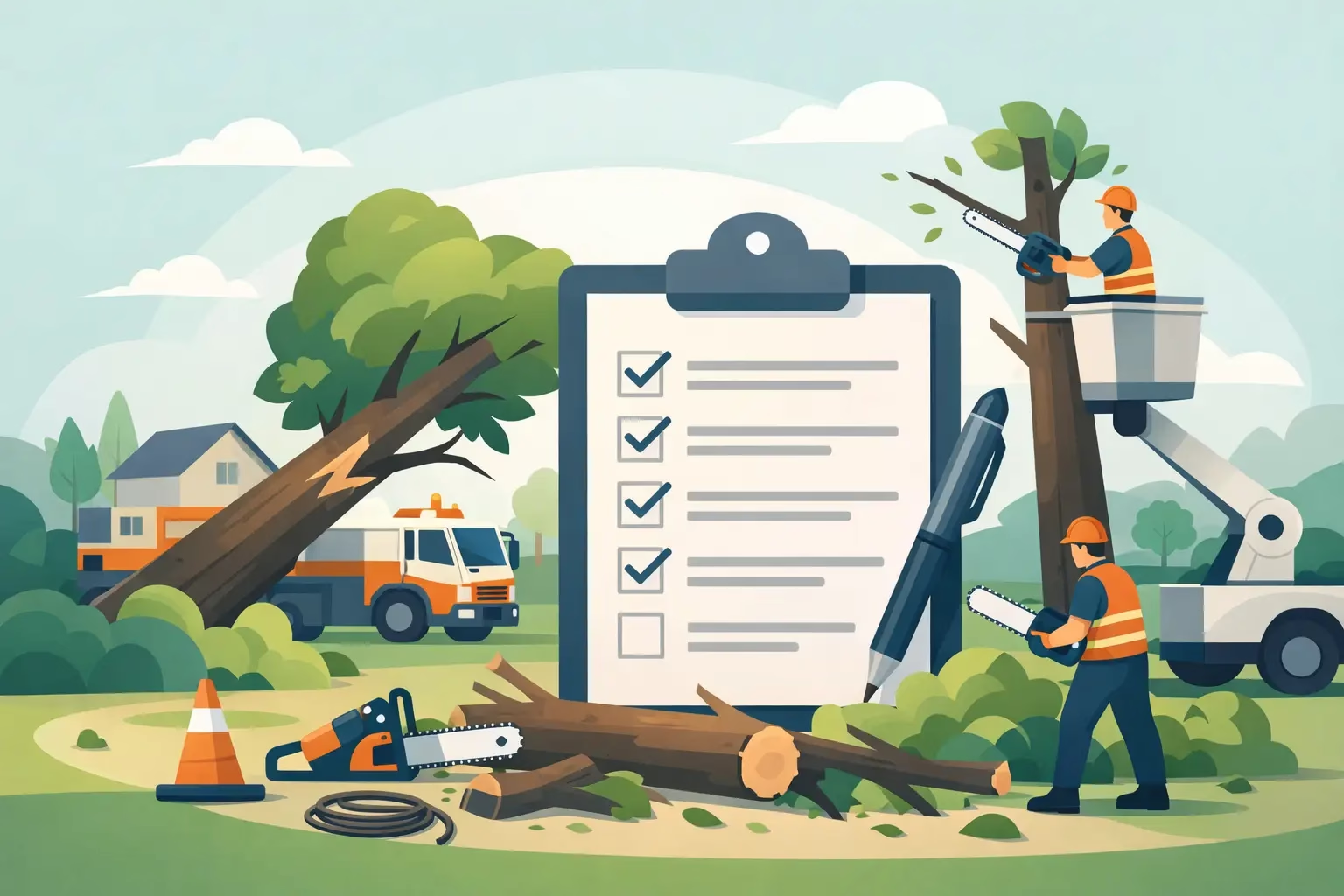
A tree emergency rarely gives you time to compare companies at a comfortable pace. When a limb is on your roof, a tree is leaning over a driveway, or storm damage has left debris across your property, an emergency tree service review checklist helps you make a fast decision without guessing.
The right company should do more than show up quickly. In urgent situations, speed matters, but so do safety practices, insurance coverage, training, equipment, and clear communication. A rushed decision can lead to property damage, incomplete cleanup, or avoidable safety risks. A careful review, even a short one, helps you protect your home and choose a team that handles dangerous work the right way.
Why an emergency tree service review checklist matters
Emergency tree work is not routine yard maintenance. It often involves unstable wood, damaged structures, downed limbs, compromised root systems, power line concerns, and limited access around homes, fences, and vehicles. That changes the stakes.
In this kind of situation, the cheapest bid is not always the safest choice, and the fastest answer is not always the most qualified. A dependable company should be able to explain what is immediately dangerous, what can wait, and how they plan to secure the area. That kind of judgment comes from experience, not just availability.
A good checklist keeps your focus on the details that matter most when pressure is high. Instead of getting pulled in by a vague promise or a low price, you can compare companies based on response, professionalism, and whether the work will be done safely and completely.
Emergency tree service review checklist: what to look for first
Start with the issues that affect immediate safety and legitimacy. If a company falls short here, there is usually no reason to keep comparing.
Emergency response and availability
In a real tree emergency, timing matters. Ask how soon the crew can arrive, whether they offer after-hours response, and what they can do on the first visit. Some situations call for full removal right away, while others may require temporary risk reduction before complete work can be finished safely.
A strong answer should be specific. You want a realistic timeframe, not a vague promise. If a company cannot explain its emergency process, that is a concern. Reliable providers know how to triage storm damage and communicate what happens next.
Insurance, licensing, and professional standards
Tree work is high-risk by nature. When it becomes emergency work, the risk goes up. Verify that the company is properly insured and operating legally for your area. This is especially important if heavy equipment, climbing, or crane work may be involved.
It also helps to ask whether the company follows ANSI standards and OSHA regulations. That does not sound flashy, but it tells you a lot about how the team approaches safety, training, and work quality. A professional operation should not hesitate to speak clearly about those standards.
Safety assessment before cutting begins
A trustworthy crew does not rush straight to the saw. They assess the tree, nearby structures, tension in broken limbs, ground conditions, and access points before work starts. If utility lines are involved or even close to the damaged area, they should treat that as a major safety issue.
This is one of the clearest signs of professionalism. Careful planning may take a few extra minutes, but it reduces the chance of making a dangerous situation worse.
How to compare estimates during a tree emergency
People often feel pressured to accept the first number they hear, especially after a storm. That is understandable. Still, if you are able to get more than one estimate, even quickly, it can help you spot differences in scope and professionalism.
Look beyond the price alone
An emergency tree service quote should explain what is included. That may involve hazardous limb removal, full tree removal, hauling debris, protecting nearby structures, stump work, or site cleanup. If one quote seems far lower than the rest, ask what has been left out.
Sometimes a lower number reflects a limited service rather than better value. For example, one company may only cut the tree off the structure, while another includes debris removal and final cleanup. Those are not equal offers.
Watch for vague language
A professional estimate should be understandable. Terms like remove hazardous limbs, section down tree, haul debris, or leave wood on site should be clear enough that you know what you are paying for.
If the wording is loose or the company avoids specifics, that can create disputes later. In emergency work, clarity is part of good customer service.
Ask about change scenarios
Storm-damaged trees can be unpredictable. Once the crew starts work, they may find hidden cracking, hollow sections, or instability that was not visible at first. That is why it helps to ask how the company handles added work if conditions change.
The right answer is not that surprises never happen. The right answer is that they will explain the issue, discuss the next step, and get approval before expanding the job whenever possible.
Reviewing professionalism when the situation is urgent
Even in a rush, there are signs that tell you whether a company runs a professional operation.
Communication should be calm and direct
When a homeowner is dealing with fallen limbs or a damaged roofline, they do not need sales pressure. They need clear information. A reliable company should explain the immediate hazard, what can be done right away, and what follow-up work may still be needed.
That includes being honest about limits. If the area is unsafe until utility issues are addressed, or if weather delays equipment access, a professional team should say so. Straight answers build trust faster than overpromising.
Equipment and crew readiness
Emergency tree jobs often require more than a pickup truck and chainsaw. Depending on the situation, the crew may need rigging equipment, climbing gear, chippers, saws suited for large timber, or support equipment for safe removal around structures.
You do not need to know every technical detail, but you should see signs that the company is equipped for the job they are accepting. An experienced team arrives prepared, works with a plan, and keeps the site organized as they go.
Cleanup and property respect
Cleanup matters more than many people expect. After a tree emergency, you may already be dealing with roofing issues, fencing damage, blocked access, or soaked landscaping. The last thing you need is a company that leaves a second mess behind.
Ask whether debris hauling and basic site cleanup are included. Also ask what happens to cut wood and smaller branches. A good company should leave the area safer and more manageable, not just less dangerous than before.
Using reviews as part of your checklist
Online reviews can help, but they work best when you read them carefully instead of just glancing at the star rating.
Look for patterns in what customers say about response time, professionalism, communication, and whether the company handled stressful situations well. Emergency tree work is often remembered by customers for one reason above all: whether the crew made them feel secure while solving the problem.
Pay attention to details in the comments. Do people mention fast storm response, safe work around homes, fair pricing, or thorough cleanup? Those details are more useful than generic praise. It also helps to see whether the company has experience with the type of emergency you are facing, whether that is a fallen tree, split trunk, hanging limb, or storm debris removal.
One negative review alone does not tell the whole story. A better test is how consistent the positive feedback is and whether the company seems to earn trust under pressure.
Red flags your emergency tree service review checklist should catch
Some warning signs are easy to miss when you need help fast. If a company pushes for immediate approval without explaining the work, gives a price with almost no detail, or cannot confirm insurance, that should slow you down.
Another red flag is dismissing safety concerns. If a contractor treats damaged trees near structures or overhead lines like a routine cut, that is not reassuring. Emergency tree work should never feel casual.
You should also be cautious with unusually low pricing, especially if it comes with unclear scope or pressure tactics. Affordable service matters, but tree emergencies are not a place to cut corners on training, equipment, or safety practices.
What a strong final decision looks like
The best choice is usually not just the company that can get there first. It is the one that combines responsive scheduling with safe work practices, clear communication, proper coverage, and a well-defined scope of work.
For homeowners and property managers, that balance matters. You want urgent help, but you also want confidence that the crew on your property knows how to protect people, structures, and the remaining landscape. Companies with real emergency experience understand that speed and caution have to work together.
If you need emergency tree service in the Vancouver area, M & R Tree Services believes customers deserve exactly that kind of response: prompt help, professional standards, and work performed with safety at the center of every step.
When the weather turns or a tree suddenly fails, a simple checklist can keep a stressful moment from becoming a costly mistake. The goal is not to overcomplicate the decision. It is to make sure the company you call is ready to do the job safely, correctly, and with the level of care your property deserves.