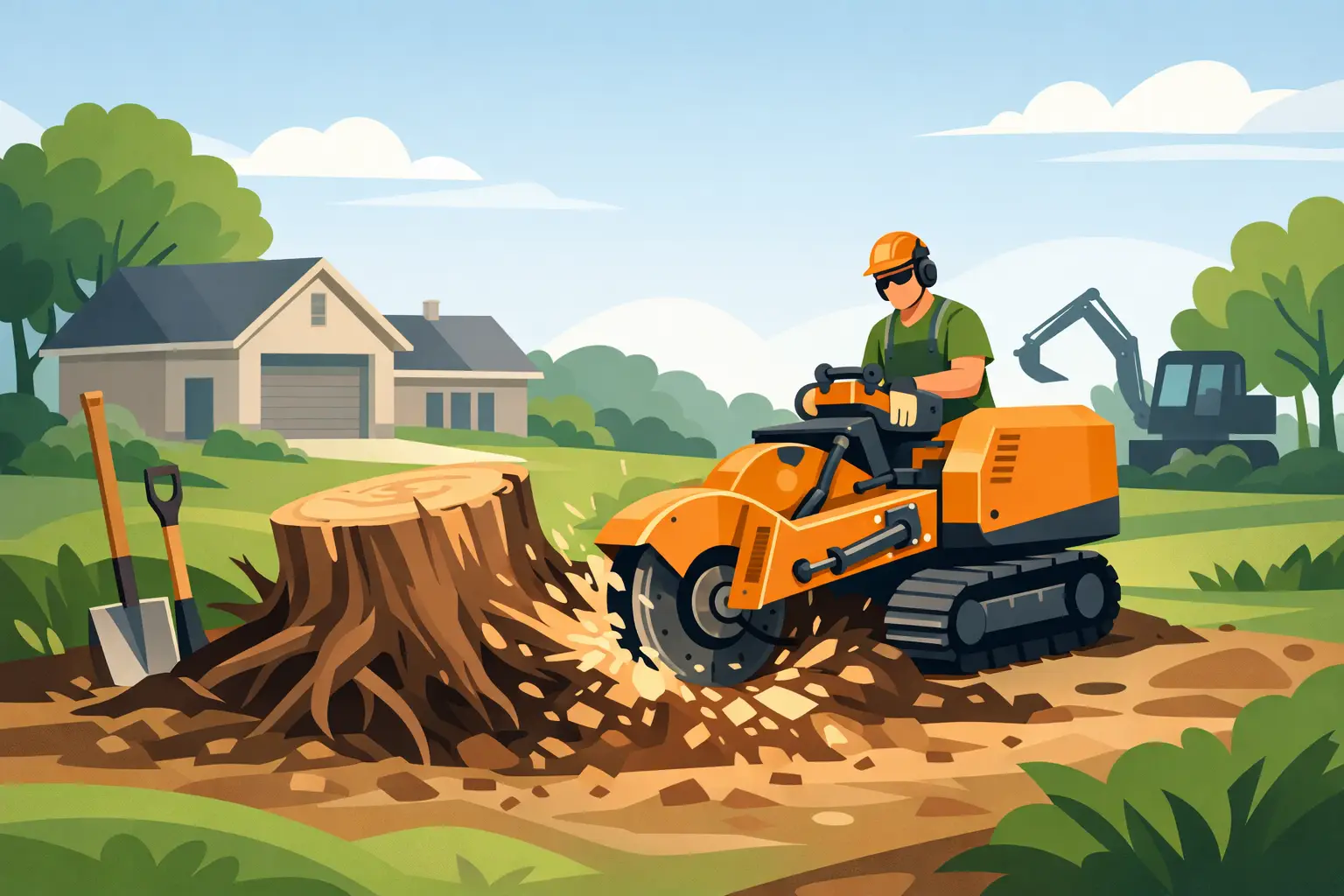
A leftover stump has a way of turning into a bigger problem than most property owners expect. What starts as an eyesore can become a tripping hazard, a mowing obstacle, a pest attractant, and a constant reminder that the job is not really finished. For stump removal for homeowners, the right approach is usually less about convenience and more about safety, long-term yard use, and protecting the value of the property.
In residential settings, stumps tend to create practical issues fast. They interrupt landscaping plans, make lawn care harder, and can get in the way of fencing, patios, drainage improvements, or replanting. In some cases, they also sit close to walkways, driveways, or play areas where even a low stump becomes a liability. That is why many homeowners decide not to leave them in place once the tree is gone.
Why stump removal for homeowners matters
A stump may seem harmless compared to a standing tree, but it still affects how a yard functions. Grass often struggles around the base, surface roots may remain in the way, and the area can hold moisture longer than the surrounding soil. That combination can make the yard look unfinished and feel harder to maintain.
There is also the issue of new growth. Depending on the species, a stump can begin sprouting after a tree has been cut down. Those shoots are not just unattractive. They pull energy from the remaining root system and can turn a completed removal into an ongoing maintenance problem. If the original tree had disease or structural decline, leaving part of it behind may not be the best choice.
For homeowners planning to sell, stumps also affect first impressions. Buyers notice uneven ground, neglected tree remnants, and landscaping that looks half done. Removing the stump can make the property appear cleaner, safer, and better cared for without requiring a full yard overhaul.
Stump grinding vs. full removal
When people talk about stump removal, they are often referring to two different services. The first is stump grinding, which reduces the stump below grade using specialized equipment. The second is full stump and root removal, which extracts more of the remaining wood and root mass from the ground.
In most residential yards, grinding is the more practical option. It is typically faster, less disruptive to the surrounding landscape, and well suited for areas where the goal is to restore the lawn or prepare for light replanting. If the stump is close to hardscaping, utilities, or neighboring plantings, grinding often allows for better control and less site disturbance.
Full removal has its place, but it depends on the project. If a homeowner is preparing for new construction, installing a foundation, replacing a fence line, or planting a large new tree in the exact same location, deeper removal may be necessary. The trade-off is that it usually creates a larger hole, more soil disruption, and a bigger restoration job afterward.
That is why stump work should be matched to the property goals. A reliable tree service will not treat every stump the same. The right recommendation depends on stump size, species, root spread, access, and what the homeowner plans to do with the area next.
What affects the difficulty of stump removal
Not all stumps are equal, and that matters when it comes to scheduling, cost, and the type of equipment required. Size is the most obvious factor. Larger stumps take more time and more grinding depth, especially when hardwood species are involved.
Location can matter just as much as diameter. A stump in an open front yard is very different from one tucked against a fence, near a deck, beside utility lines, or inside a narrow backyard with limited gate access. Tight spaces often require smaller equipment or a more careful setup, which can affect how the work is performed.
The root system is another variable. Some trees leave broad, shallow roots that extend well past the stump itself. Others create denser root zones that hold firmly in compacted soil. If the surrounding area includes irrigation, retaining walls, concrete edges, or underground utilities, experience matters. Removing the stump without damaging the rest of the property is part of doing the job right.
Age and condition also play a role. An older, decaying stump may look easier to handle, but it can come with hidden complications such as soft ground, insect activity, or debris embedded in the wood. Rocks, metal, and leftover hardware can all interfere with equipment and slow progress.
Why professional service is the safer choice
Stump grinding equipment is powerful, heavy, and not forgiving when used incorrectly. It is designed to cut dense wood below the soil line, often in close proximity to homes, fences, utility paths, vehicles, and landscaped beds. This is not light yard work.
For homeowners, the real value of hiring a professional is not just convenience. It is risk control. A trained crew understands how to assess the site, protect surrounding surfaces, manage debris, and complete the work to an appropriate depth for the intended use of the area. They also know when a stump is tied to a broader tree issue, such as unstable roots, nearby deadwood, or storm damage concerns elsewhere on the property.
Safety standards matter here. Tree work should be handled by teams that take equipment operation, worksite protection, and jobsite procedures seriously. That means using proper methods, maintaining clear communication, and working in a way that protects both the property and the people on it. For homeowners, that level of professionalism makes a major difference.
What homeowners can expect during the process
A professional stump service usually starts with an on-site evaluation. The crew will assess the stump size, species if known, access points, nearby structures, and any conditions that could affect the work. This is also the time to discuss what happens after grinding, whether that means backfilling, leveling, or preparing the area for grass or another landscape feature.
On the day of service, the area around the stump should be kept clear. Outdoor furniture, movable décor, and vehicles may need to be relocated if they are close to the work zone. The crew may also mark off the area to keep children and pets at a safe distance while equipment is in use.
Once the work begins, the stump is ground down in stages. The exact depth depends on the project goals, but it is usually enough to allow for surface restoration. Wood chips and soil are often left behind in a mound unless a cleanup or haul-off option is included. Some homeowners reuse the grindings as mulch, while others prefer the area to be cleared and filled for immediate lawn repair.
If roots near the surface are still visible afterward, that does not always mean the job was incomplete. Surface roots may remain and decay over time, or they may need separate attention if they interfere with a planned use of the space. This is another area where clear expectations matter.
Choosing the right stump removal company
For stump removal for homeowners, price is only one part of the decision. A low quote does not mean much if the company is not equipped for the site, cannot explain the process clearly, or leaves the yard in rough condition. Homeowners should look for a team with real tree care experience, strong local credibility, and a professional approach to safety.
It helps to ask practical questions. Will the stump be ground below grade? What happens to the debris? Is cleanup included? Are there access limitations? How will nearby fencing, irrigation, or hardscaping be protected? Clear answers usually signal a company that has done this work many times before.
In the Vancouver, Washington area, property owners often need a company that understands residential lots, neighborhood access challenges, and the importance of responsive scheduling. M & R Tree Services approaches stump work the same way it approaches the rest of its tree care services – with a focus on reliable service, safe practices, and quality workmanship that meets the expectations homeowners should have when work is being done on their property.
A stump does not have to stay in the middle of your plans. If it is creating a hazard, getting in the way of your yard, or simply making the property look unfinished, it may be time to have it handled properly so the space can be used the way it was meant to be.