
A tree can look perfectly healthy from the street and still have a cracked limb over the driveway, root damage near the foundation, or decay hidden inside a major branch union. In Vancouver and nearby communities, seasonal tree care is less about making a yard look tidy and more about reducing risks before wind, rain, ice, or summer heat exposes a problem.
The Pacific Northwest gives trees plenty of moisture and long growing seasons, but those same conditions can encourage rapid growth, fungal decay, and heavy limb loads. A practical plan changes with the weather. It also recognizes when a job has moved beyond routine maintenance and needs a qualified tree crew with the right equipment, training, and safety procedures.
Why Seasonal Tree Care Matters in the Pacific Northwest
Trees respond differently throughout the year. New growth can reveal structural weaknesses in spring. Dry weather can stress roots in summer. Fall rain softens soil around compromised root systems, while winter storms place extra force on limbs that are already weak, overextended, or damaged.
For homeowners and property managers, the goal is not to remove every large tree or aggressively cut back every branch. Healthy mature trees add value, shade, privacy, and character to a property. The right work protects those benefits while addressing hazards such as deadwood, poor branch attachments, tree-to-roof contact, and overgrowth near power lines or access areas.
Timing matters, but tree condition matters more. A hazardous limb should not wait for the ideal pruning season if it is hanging over a home, walkway, vehicle, or play area. Emergency concerns require a prompt professional assessment, regardless of the month.
Spring Tree Care: Inspect Growth and Storm Damage
Spring is when many tree problems become easier to see. Buds open, leaves return, and the difference between living and dead branches becomes more apparent. It is a good time to walk the property after periods of heavy rain or wind and look up before starting regular yard work.
Pay attention to branches that did not leaf out, cracked limbs, hanging wood, and fresh splits where a branch joins the trunk. Also look at the base of each tree. Mushrooms, soft or crumbling wood, new leaning, and soil that has lifted on one side can signal root or trunk concerns. None of these signs automatically means a tree must be removed, but they do warrant a professional evaluation when the tree is near a target.
Spring is also a useful season for selective pruning. Removing dead, damaged, or crossing branches can improve clearance and reduce future breakage. The work should be deliberate. Over-pruning can stress a tree, trigger weak new growth, and leave it more vulnerable during hot weather.
If trees were damaged by winter storms, avoid the temptation to cut from a ladder or pull on a partially broken limb. Tension in storm-damaged wood is unpredictable. A branch that appears stable can shift suddenly once it is cut.
Summer Tree Care: Watch for Stress, Weight, and Clearance
Summer growth can make a canopy look full and healthy, but dense foliage adds weight and catches more wind. Limbs that seemed manageable in early spring may begin to touch roofs, gutters, windows, fences, or service lines. Branches growing over driveways and patios can also become a concern as families spend more time outdoors.
During extended dry periods, younger trees and recently planted trees may need supplemental watering. Water slowly and deeply around the root zone rather than applying a quick, shallow spray. Established mature trees often tolerate normal summer conditions, although prolonged heat and drought can still expose underlying stress, especially where roots have been disturbed by construction, compacted soil, or grade changes.
Summer is not the time for indiscriminate topping. Cutting a tree back severely may seem like a fast answer to height or shade concerns, but it can create large wounds and stimulate fast-growing, poorly attached shoots. For a tree that has outgrown its location, a professional can recommend selective reduction, structural pruning, cabling or bracing where appropriate, or removal when the risk cannot be managed reasonably.
Keep an eye on utility clearance as well. Trees near power lines should be handled by qualified professionals and, when needed, coordinated with the utility provider. Homeowners should never attempt to prune branches around energized lines.
Fall Tree Care: Prepare Before Storm Season
Fall is one of the most valuable times to assess a property. Leaves may begin to drop, making branch structure easier to inspect, and the first major windstorms are often close behind. This is the season to address dead limbs over roofs, branches rubbing against structures, and trees with known defects before saturated ground and high winds make them more likely to fail.
A professional pruning visit can improve clearance over buildings, walkways, and driveways while reducing excess end weight on long limbs. The right approach depends on the species, age, condition, and location of the tree. A large healthy tree near a house may only need targeted pruning. A tree with extensive decay, a severe lean, or root damage may require a more serious plan.
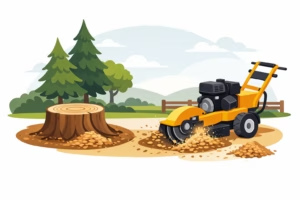
Fall is also a sensible time to discuss stump grinding after a removal. Old stumps can interfere with mowing, attract pests, create tripping hazards, and take up usable planting space. Grinding does not solve every landscaping issue by itself, but it removes the visible obstacle and allows the area to be restored more easily.
Before storm season intensifies, clear outdoor areas beneath large trees. Move patio furniture, vehicles, and stored materials away from questionable limbs when possible. This does not fix the tree, but it can reduce the consequences if a branch fails before service can be scheduled.
Winter Tree Care: Respond Safely to Wind and Ice
Winter weather tests tree structure. Strong gusts can break dead or overextended limbs, and saturated soil can reduce stability in trees with compromised roots. Ice is less common than rain in many local areas, but when it arrives, its added weight can quickly turn a minor defect into a major break.
After a storm, check your property from a safe distance. Look for limbs resting on a roof, trees leaning toward structures, split trunks, broken tops, or branches tangled in service lines. Treat any contact with power lines as an emergency. Keep people and pets away, contact the utility company, and call for professional tree assistance once the area is safe to access.
Do not stand beneath a damaged canopy to inspect it more closely. Do not use a chainsaw on a ladder, and do not try to remove a branch that is suspended, bent, or under pressure. These are common situations where injuries occur because the wood can spring, roll, or fall in an unexpected direction.
Emergency tree work requires more than a saw. It requires job-site planning, controlled cutting methods, proper rigging when necessary, and a crew that follows recognized safety practices. M & R Tree Services approaches emergency calls with the same focus on safety, reliability, and clear communication that property owners need when conditions are already stressful.
When to Schedule Professional Seasonal Tree Care
A yearly inspection is a practical starting point for many residential properties, especially if mature trees are close to a home, garage, driveway, fence, or neighboring property. More frequent attention may be needed for fast-growing trees, trees with prior storm damage, or properties with known drainage and soil issues.
Call for an assessment if you notice a new lean, visible cracks, hollow areas, fungi at the base, dead branches high in the canopy, roots lifting from the soil, or repeated limb failures. It is also wise to schedule service when branches are contacting a roof or growing too close to power lines.
The safest choice is not always the biggest intervention. Sometimes selective pruning and monitoring are enough. Other times, cabling and bracing can provide structural support for a valuable tree with a weak union. When a tree presents an unacceptable risk, removal may be the responsible option. A qualified crew can explain the trade-offs clearly and perform the work in line with ANSI standards and OSHA safety requirements.
A little attention before the next season changes can prevent a much larger problem after a storm. If a tree on your property raises questions, schedule an evaluation while there is time to make a safe, informed decision.