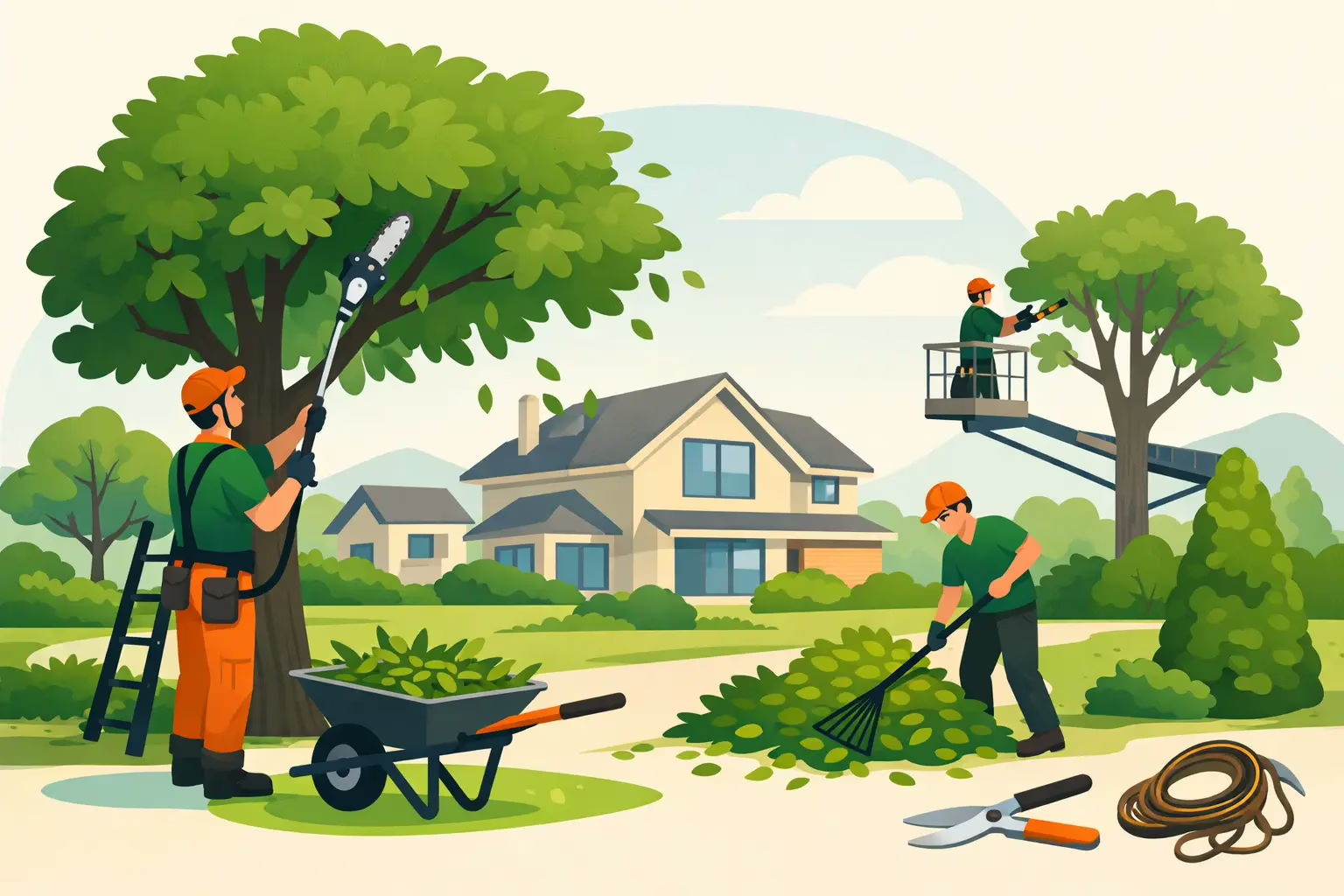
A split limb after a windstorm, roots pushing near a walkway, branches scraping the roof – most tree problems do not stay small for long. This residential tree maintenance guide is built for homeowners and property managers who want to protect their property, reduce risk, and know when professional tree care is the right move.
Tree maintenance is not just about keeping a yard neat. It affects safety, structure, curb appeal, and long-term property value. A healthy, well-managed tree can add beauty and shade for decades. A neglected one can become a hazard to people, homes, vehicles, fences, and utility lines.
For residential properties, the right approach is consistent monitoring and skilled service at the right time. That usually means pruning for structure, removing deadwood, checking storm damage, watching for signs of decay, and acting early when a tree starts to fail. Waiting until a tree emergency develops often leads to higher costs and greater risk.
What a residential tree maintenance guide should help you spot
Homeowners do not need to diagnose every tree issue on their own, but they should know what deserves attention. Dead or hanging limbs are one of the clearest warning signs. So are large cracks where major limbs connect, hollow areas in the trunk, peeling bark in isolated sections, or branches that suddenly lose leaves while the rest of the canopy looks normal.
Leaning is another issue that depends on context. Some trees naturally grow at an angle and remain stable for years. Others begin leaning after saturated soil, root damage, or storm stress. If the lean is new, more pronounced, or paired with exposed roots or soil lifting near the base, it should be checked quickly.
Root-zone problems are easy to miss because the damage happens below the surface. Repeated soil compaction, poor drainage, trenching, and construction activity can all weaken a tree over time. You may first notice it through thinning foliage, undersized leaves, branch dieback, or reduced seasonal growth.
Routine tree care for residential properties
A good maintenance plan starts with regular evaluation, not aggressive cutting. Trees need enough canopy to produce energy and recover from stress. Over-pruning can create the same kind of problem homeowners are trying to avoid, especially when too much live growth is removed at once.
Pruning is most effective when it has a purpose. That may be clearing branches away from a roof, improving structure in a younger tree, removing dead or diseased limbs, reducing end weight on a stressed branch, or improving clearance over driveways and walkways. Proper cuts matter. Poor pruning can invite decay, weaken limb attachments, and create future hazards.
Seasonal timing also depends on the species and the condition of the tree. Some pruning is best handled during dormancy, while damaged or dangerous limbs may need immediate removal regardless of season. This is one reason a one-size-fits-all maintenance calendar does not work well for every property.
Mulching can support tree health, but only when done correctly. A moderate layer helps conserve moisture and reduce competition from weeds and turf. Piling mulch against the trunk, though, can trap moisture and contribute to decay. Watering has similar trade-offs. Trees need support during dry stretches, but overwatering can stress roots just as much as drought.
Residential tree maintenance guide for safety and risk reduction
Safety is where professional tree care matters most. A branch over a bedroom, a tree close to service lines, or a canopy with storm damage is not the place for guesswork. High-risk tree work requires trained crews, proper equipment, and work practices that follow recognized safety standards.
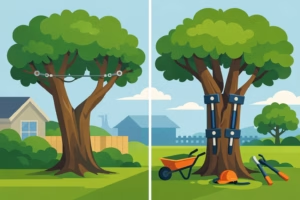
For homeowners, the goal is not to remove every large tree from the property. It is to reduce predictable risk. Sometimes that means selective pruning. Sometimes it means structural support through cabling or bracing when a valuable tree has a weak union or load issue. In other cases, removal is the safer and more cost-effective option.
That is the part many property owners wrestle with. A tree may still be living and still need to come down. If it has significant structural failure, extensive decay, severe storm damage, or a location that makes failure unacceptable, preservation may no longer be the responsible choice.
When trimming is enough and when removal makes more sense
Not every overgrown tree needs to be removed. In many cases, trimming restores clearance, improves balance, and reduces weight on overextended limbs. If the trunk is sound, the root system is stable, and the canopy has manageable issues, pruning can extend the life of the tree and improve safety at the same time.
Removal becomes more likely when defects involve the main trunk, primary scaffold limbs, or root plate. A tree that repeatedly drops large limbs, shows extensive fungal activity at the base, or has major dead sections throughout the canopy may not respond well to maintenance alone. Location matters too. A compromised tree in the middle of a wide open area presents a different level of risk than the same tree over a house, garage, or neighboring fence.
This is where professional assessment is worth it. The cheapest immediate option is not always the most affordable outcome over time. Repeated trimming on a tree that is already failing can delay the right decision and increase total expense.
Storm season and emergency tree service
In the Pacific Northwest, heavy rain, wind, and saturated ground can expose weaknesses fast. Trees that looked manageable in dry weather may shift, split, or drop large limbs when conditions change. After a storm, the safest first step is a visual check from a distance. If a tree is touching power lines, leaning onto a structure, or holding broken limbs overhead, keep clear and bring in a qualified team.
Emergency service is about more than speed. It is about controlling a dangerous situation without creating a second one. Storm-damaged trees can carry hidden tension in branches and trunks. Cutting in the wrong order can cause sudden movement and serious injury. That is why emergency tree work should be handled by professionals with the right equipment and training.
For many homeowners, the best storm preparation is pre-storm maintenance. Removing deadwood, addressing weak branch unions, and reducing excess end weight on vulnerable limbs can lower the chance of major damage when rough weather arrives.
Why standards and experience matter
Tree work is skilled labor with real safety consequences. Property owners should expect more than a truck and a chainsaw. They should expect a company that understands proper pruning practices, hazard recognition, and the standards that guide safe operations.
That matters whether the job is a straightforward trim or a complex removal near a structure. ANSI standards and OSHA compliance are not marketing phrases. They reflect how work is planned, how crews operate, and how risk is managed on your property. For customers, that translates to better protection, better workmanship, and more confidence in the result.
Experience matters for another reason. Residential properties rarely present ideal working conditions. There may be fences, tight side yards, sheds, patios, utility access issues, and neighboring structures close by. A seasoned crew knows how to adapt the work plan while protecting the property around the tree.
Choosing the right help for ongoing tree care
If you own a home or manage a small residential property, tree maintenance should feel straightforward, not confusing. You need clear recommendations, fair pricing, dependable scheduling, and honest guidance about what can wait and what should not.
A good provider will explain why a tree needs pruning, support, or removal in practical terms. They will not push unnecessary work, and they will not downplay obvious hazards. If a tree can be maintained safely, they should say so. If a tree has become a liability, they should say that too.
For homeowners in Vancouver, Washington and nearby communities, M & R Tree Services focuses on exactly that kind of service – reliable residential tree care backed by experience, safety standards, and responsive support when urgent problems arise.
The best time to deal with a tree problem is usually before it becomes an emergency, and a careful set of eyes today can save you a much bigger problem tomorrow.