
A stump can look like a simple leftover from tree removal, but grinding it safely depends on what is around it, below it, and in the path to it. This guide to stump grinding preparation helps Vancouver-area homeowners and property managers know what to handle before the crew arrives, what to expect during service, and when site conditions may affect the plan.
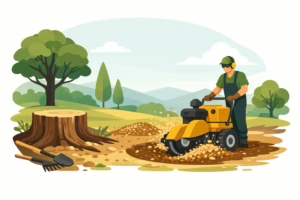
Stump grinding uses specialized equipment to break a stump down below ground level. It is efficient, but it is not a small backyard chore. The machine is powerful, throws wood chips, and needs a stable route to the work area. Good preparation protects your property, helps the work move forward without unnecessary delays, and gives the crew room to maintain safe operating practices.
Start With the Right Outcome for Your Property
Before scheduling stump grinding, decide what you want to do with the space afterward. Your plan affects how far below grade the stump should be ground and what happens to the wood chips.
For a lawn area, grinding several inches below the surrounding soil is commonly enough to cover the area with soil and grass seed. If you plan to install a patio, driveway extension, retaining feature, or other structure, the site may need additional excavation and compaction beyond grinding. A stump grinder removes the visible stump and major surface roots, but it does not turn the area into construction-ready soil.
Garden beds also require a little more thought. Fresh wood chips can be useful as mulch elsewhere on the property, but mixing large amounts into planting soil may temporarily affect nitrogen availability as the material decomposes. Tell the crew whether you want chips left on site, spread in a designated area, or removed so the estimate and cleanup plan match your goals.
Clear a Safe Route to the Stump
Access is one of the first details a professional team evaluates. Stump grinders vary in size, and the right equipment depends on the stump, slope, gates, landscaping, and distance from the street or driveway. A narrow side yard may require a smaller machine or a different approach than an open front lawn.
Before the appointment, clear movable obstacles from the access route and the work zone. That includes patio furniture, toys, planters, garden hoses, loose landscape décor, and vehicles. Open gates and make sure pets are indoors or secured well away from the area.
If the stump sits behind a locked fence, near a shared driveway, or on a property with limited parking, communicate that early. Crews need a practical place to stage equipment and safely move it without damaging turf, irrigation components, fencing, or nearby structures. Wet ground can also change the plan. In Vancouver’s rainy months, a soft lawn may be more vulnerable to rutting from equipment, even when a crew uses careful access methods.
Protect Nearby Features
Take a close look at what surrounds the stump. Mark or point out low-voltage landscape lighting, sprinkler heads, drip lines, decorative edging, outdoor outlets, septic components, and shallow drain lines. These items may not be covered by standard utility markings, yet they can be affected by machinery or root work.
Move fragile items away from the immediate area. Grinding produces chips and debris, so windows, vehicles, HVAC units, and outdoor furniture near the stump may need added protection or temporary relocation. A qualified crew will set up a controlled work zone, but homeowners can help by giving the team a clear view of all property features that deserve special care.
Arrange Utility Locates Before Grinding
Underground utilities are a serious safety concern. Never assume a stump is clear of buried lines because the tree has been in place for years. Utility routes can cross yards in unexpected locations, especially where properties have been remodeled, subdivided, or connected to newer services.
Contact your local utility-locate service before work begins and allow enough time for markings to be completed. In Washington, homeowners can request public utility locates through the statewide 811 process. These markings typically identify public lines, such as gas, electric, water, communications, and sewer services. They may not identify private utilities running from the meter to a home, detached garage, shed, lighting system, or irrigation equipment.
If there is any uncertainty about private lines, notify your stump grinding provider before the scheduled date. The safest answer may be to locate those lines separately, alter the work area, or use a more cautious method. This is one area where preparation is never a formality. A damaged utility line can create a safety emergency, costly repairs, and service interruptions.
Make the Work Area Ready, Not Empty of Information
Homeowners sometimes try to make a site look completely blank before a service visit. Clearing loose items is helpful, but do not remove the information the crew needs. If you know where an old fence line, irrigation repair, drain field, or buried cable runs, leave a visible marker or make a note to discuss it on arrival.
Tell the crew about past site work as well. Filled ground, old foundations, buried landscape timbers, concrete, rocks, and metal hardware can all be hidden near a stump. Trees often grow around fences, nails, wire, and hardware over decades. Unexpected debris can slow the process, dull equipment, or require a change in scope.
A clear conversation before work starts is especially useful for stumps beside foundations, utility poles, sidewalks, pools, or mature trees you want to preserve. Root systems do not always follow a predictable pattern. Grinding close to hardscape or valuable landscape features may require a more limited grind depth or manual cleanup around sensitive edges.
Prepare for Noise, Chips, and Temporary Disruption
Stump grinding is generally faster than full stump excavation, but it is still active equipment work. Expect engine noise, vibration, and a controlled spray of wood chips within the work zone. Keep children, visitors, and pets inside until the crew confirms the area is safe again.
If you share a driveway or live close to neighbors, a quick heads-up is courteous and practical. Ask whether parked vehicles need to be moved, particularly if the stump is near a property line or the equipment must pass through a shared access point.
The exact duration depends on stump diameter, wood species, root flare, equipment access, and concealed obstacles. A small, accessible stump may be handled quickly. A wide, old hardwood stump with surface roots near landscaping can take longer. Reliable service means allowing the crew to work at the pace required for safe, quality results rather than rushing through difficult conditions.
Know What Happens to Roots and Wood Chips
Grinding removes the stump by reducing it to chips below the surface. It does not pull every underground root from the yard. Most remaining roots decay naturally over time, although large roots may leave settling areas as they break down. If you are planning a new lawn, garden, or hardscape, ask how the ground should be filled and finished afterward.
The resulting grindings are a mix of wood chips and soil. Some homeowners keep them for paths or mulch, while others prefer removal for a cleaner planting area. Neither choice is automatically better. Keeping chips can reduce disposal needs and provide useful organic material, while removal makes it easier to bring in clean topsoil and start a lawn or planting project.
For lawn restoration, the usual next step is to remove excess grindings, add suitable soil, level the area, and seed or sod it. The spot may need monitoring for settling during the first season, particularly after heavy rain.
When to Call a Professional Before You Prepare
Do not start cutting roots, digging around the stump, burning it, or attempting to use rented grinding equipment to speed up the job. Those actions can expose utilities, destabilize soil, damage irrigation, or create hazards near structures. They can also make it harder for a professional crew to assess what is below the surface.
Call for an evaluation if the stump is unusually close to a building, has grown into fencing or concrete, sits on a steep slope, or is near visible utility equipment. The same applies if the tree was removed after storm damage and the area may contain hidden wire, metal, or broken limbs. Professional crews are equipped to assess access, select appropriate machinery, and work with safety practices that protect people and property.
M & R Tree Services brings more than 14 years of local tree care experience to stump grinding projects in Vancouver and surrounding communities. A clear estimate and a site conversation before work begins help ensure the right equipment, cleanup option, and safety measures are in place.
A little preparation gives your stump grinding project a better start, but you do not need to solve every site question alone. Clear the route, arrange utility locates, share what you know about the property, and let a qualified team handle the work that calls for professional equipment and training. When you are ready to reclaim that part of your yard, request a free quote and get a plan built around your property.