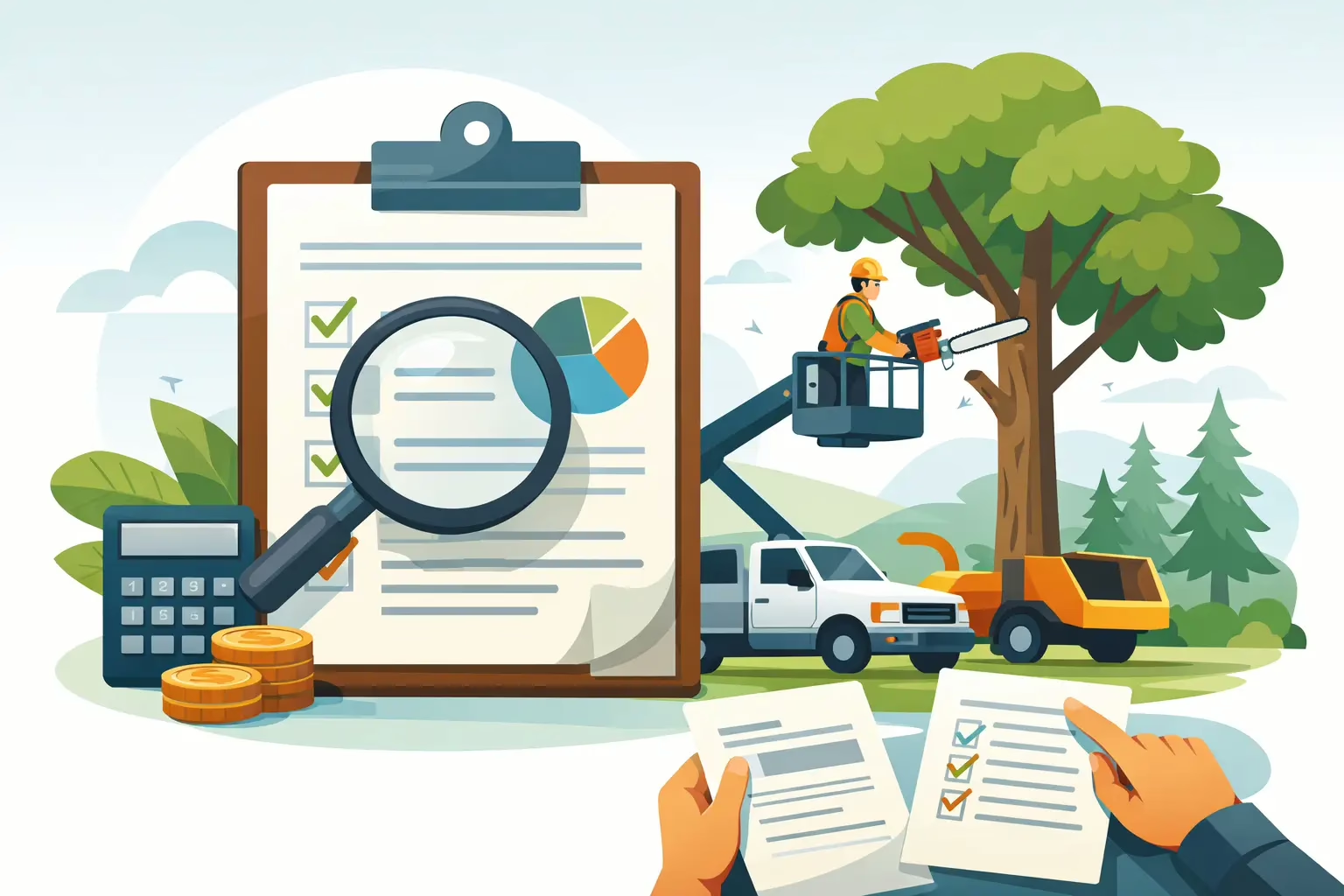
When two tree quotes look similar at first glance, the differences that matter are usually buried in the details. A proper tree service estimate review is not just about finding the lowest number. It is about confirming what work is included, how the crew will perform it, and whether the company is equipped to protect your property while doing the job safely.
For homeowners and property managers, that review can prevent costly misunderstandings. A low quote may leave out haul-away, stump grinding, traffic control, or damage protection. A higher quote may reflect better equipment, trained crews, insurance coverage, and a safer work plan. If a tree is close to a house, fence, driveway, power line, or neighboring property, those differences matter fast.
Why a tree service estimate review matters
Tree work is specialized, high-risk work. Removing a large tree or pruning heavy limbs is not the same as general yard maintenance. The estimate should show that the company understands the scope, the hazards, and the proper method for the job.
That means the quote should do more than list a price. It should explain the service in plain language. If you are being quoted for removal, pruning, emergency cleanup, stump grinding, or structural support like cabling and bracing, the estimate should clearly state what the crew is responsible for and what is not included.
A careful review also helps you compare companies fairly. One contractor may quote only the cutting. Another may include rigging, cleanup, debris haul-off, and site protection. Those are not equal offers, even if the final numbers look close.
What to look for in a tree service estimate review
Start with the scope of work. The estimate should identify the tree or trees being serviced and describe the job with enough detail that there is no confusion later. “Trim oak tree” is vague. A stronger estimate may specify crown cleaning, deadwood removal, limb reduction over the roof, clearance from the structure, and full debris removal.
If the work is removal, check whether the company is removing the entire tree down to grade or only cutting it down and leaving the stump. If you want stump grinding, root flare cleanup, or surface root removal, that should appear on the estimate. Many customers assume stump work is part of removal when it often is priced separately.
Cleanup is another item that deserves close attention. Some estimates include full hauling and site cleanup, while others leave brush, wood rounds, or sawdust on site. Neither approach is automatically wrong, but it should be clear before the work begins. If you want the area left ready for normal use, that needs to be stated.
You should also look for signs of professionalism in how the estimate is written. A clear, organized quote usually reflects a more organized operation. That does not guarantee quality by itself, but vague paperwork can be a warning sign when the job involves risk to people and property.
Safety language is not a small detail
If a company takes safety seriously, that should show up in the way it talks about the work. Tree care involves climbing, rigging, cutting, lowering limbs, and managing fall zones. On more technical jobs, the estimate or proposal may reference controlled lowering, crane assistance, or specialized equipment.
For customers, the main point is simple. You want a company that operates with recognized safety practices, proper crew procedures, and compliance expectations that align with ANSI standards and OSHA regulations. That is especially important when the work is near homes, garages, vehicles, fences, utility lines, or busy streets.
A bargain price does not feel like a bargain if the work damages a roof or creates a liability issue. Safe operations cost money because they require training, equipment, planning, and experienced crews. That is one reason estimates can vary.
Insurance and licensing should be easy to confirm
A trustworthy estimate should come from a legitimate, insured business. If you are reviewing quotes from more than one company, ask whether they carry liability insurance and workers’ compensation coverage where required. In the Vancouver, Washington area, customers also benefit from working with a company that understands local service conditions and licensing requirements, including work that may extend into nearby Oregon communities.
This is not paperwork for paperwork’s sake. If something goes wrong during tree work, proper coverage matters. The estimate is often your first window into whether the company operates professionally.
Comparing price without missing the bigger picture
Price matters. Most property owners are trying to balance safety, appearance, urgency, and budget. But tree estimates should be compared based on value, not just total cost.
If one quote is much lower than the others, ask why. It may be a legitimate difference in equipment access or disposal options. It may also mean the company excluded cleanup, is not fully insured, or is underestimating the complexity of the job. That can lead to change orders, rushed work, or avoidable damage.
If one quote is higher, look for what is included. Experienced crews, emergency response availability, advanced rigging, careful protection of surrounding structures, and complete cleanup all affect pricing. A higher estimate may represent a more complete and safer service.
The best estimate is usually the one that makes the work, the cost, and the expectations clear. That gives you a solid basis for making a confident decision.
Red flags during a tree service estimate review
Some warning signs show up before any saw starts. If the estimate is verbal only, extremely vague, or rushed, take that seriously. The same goes for a contractor who cannot clearly explain what will happen to the debris, whether the stump is included, or how they plan to handle a difficult tree near structures.
Be cautious if the company focuses only on being the cheapest option. Tree work is not a commodity service when the job involves hazard reduction, technical removal, or storm damage. You want a provider that can explain the work and stand behind it.
Another red flag is pressure to commit immediately without giving you time to understand the proposal. Urgent storm damage is one thing. Routine trimming or removal should still come with a clear estimate and straightforward communication.
Questions worth asking before you approve the quote
A few practical questions can clear up most estimate issues. Ask whether debris haul-away is included, whether stump grinding is separate, whether the crew will protect lawn and hardscape areas, and whether permits or utility coordination are needed for the specific job. If access is tight, ask how equipment will enter and exit the property.
It also helps to ask about scheduling. Some jobs can be completed in a few hours, while others may take a full day or more depending on tree size, site access, and weather. If the work is urgent, confirm emergency availability instead of assuming every company can respond quickly.
These questions are not about challenging the contractor. They help both sides get clear on the scope before work begins.
The estimate should match the risk level of the job
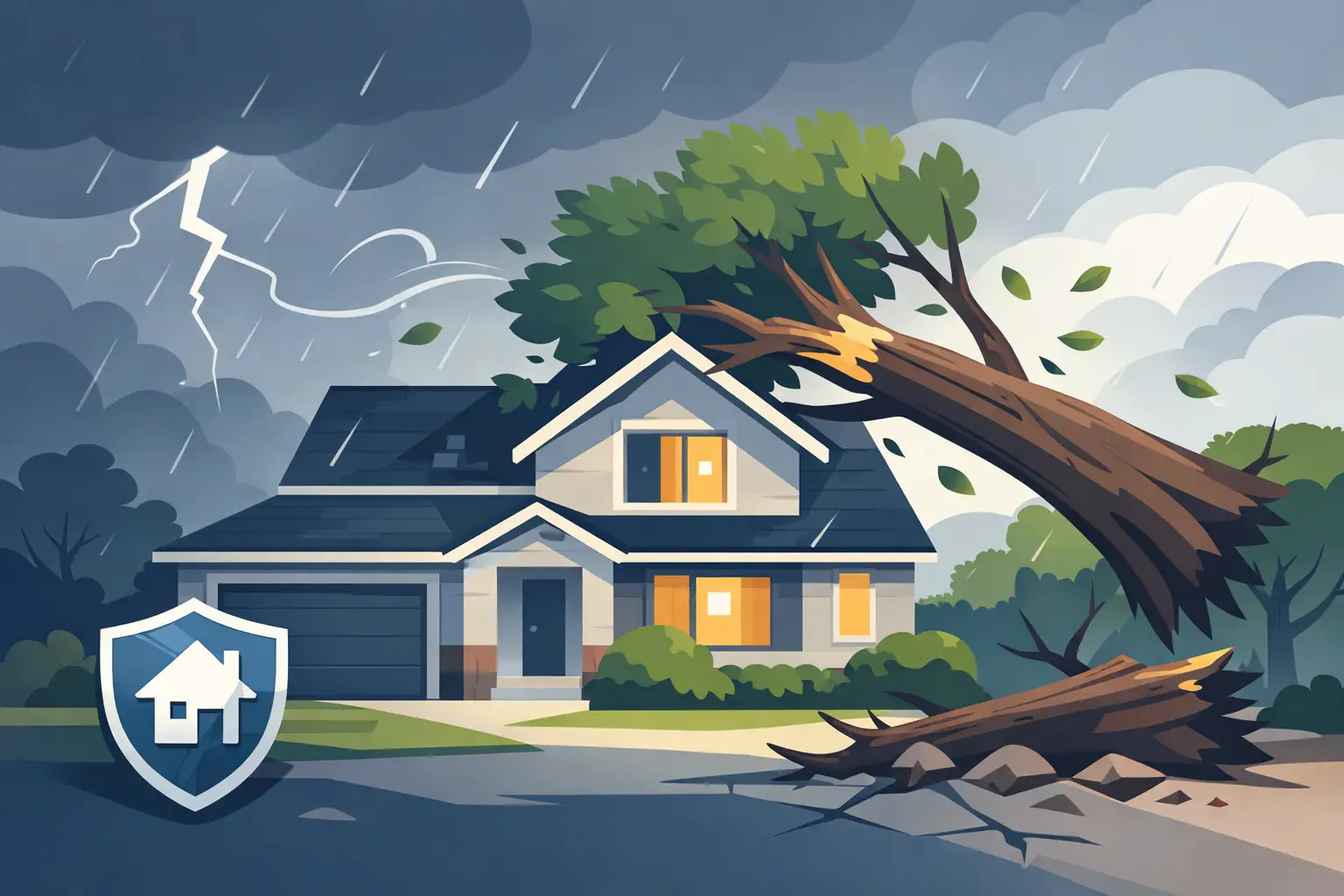
Not every tree project needs the same level of planning. Light pruning on an open lot is different from removing a storm-damaged tree leaning over a roof. The estimate should reflect that difference.
For straightforward jobs, you may only need a clear description, pricing, and cleanup terms. For higher-risk work, you should expect more detail about how the crew will control the removal, manage hazards, and protect nearby property. The more technical the job, the more important it is that the estimate shows forethought.
That is where experience shows. Companies with years in the field tend to identify issues early, from decay and structural weakness to access limitations and weather-related risks. A thorough estimate often reflects that judgment.
Choosing the right company after the review
Once you have compared the details, the right choice often becomes clearer. Look for a company that communicates well, documents the work clearly, and treats safety as part of the service, not as an afterthought. Fair pricing matters, but reliability matters just as much when heavy limbs are hanging over a home or a damaged tree needs prompt attention.
For local property owners, that usually means choosing a crew with proven experience, strong customer service, and professional standards on every job. M & R Tree Services takes that approach by combining practical pricing with dependable service, experienced crews, and a commitment to ANSI and OSHA-aligned safety practices.
A good estimate should leave you feeling informed, not uncertain. If the scope is clear, the safety standards are evident, and the company has answered your questions directly, you are in a much better position to move forward with confidence. When tree work is done right, peace of mind is part of the service too.