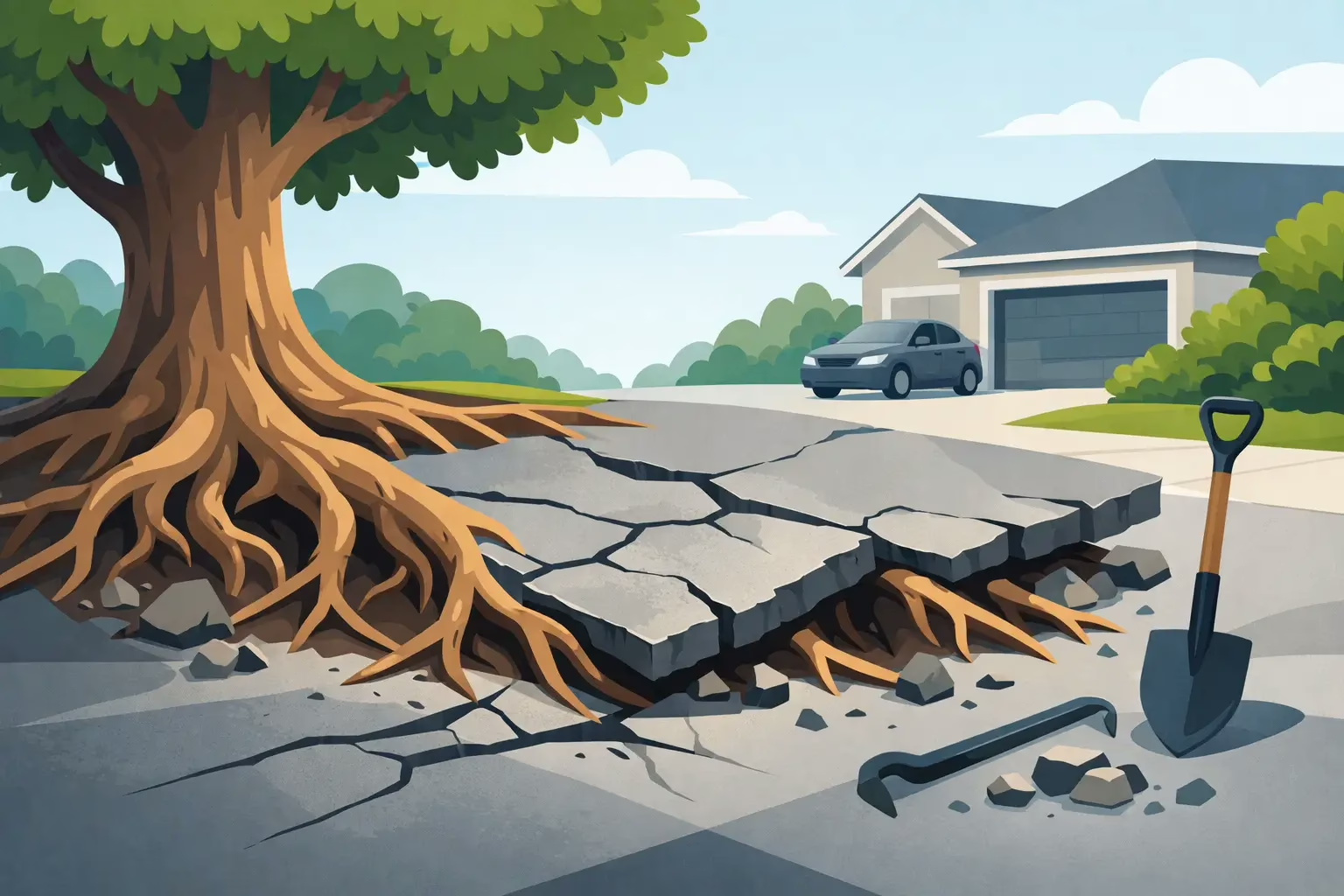
A lifted section of concrete usually does not start as a driveway problem. It starts underground. When you notice tree roots damaging driveway surfaces, the visible crack or raised panel is often just the first sign that the tree, the hardscape, or both are under stress.
For homeowners and property managers, this is one of those issues that gets more expensive the longer it sits. A small trip hazard can turn into major concrete replacement. A root conflict can also affect tree stability, especially when someone cuts roots without understanding how that tree is anchored. If a driveway is buckling near a mature tree, the right next step is not guesswork. It is a professional evaluation of both the root system and the tree above it.
Why tree roots start damaging driveway surfaces
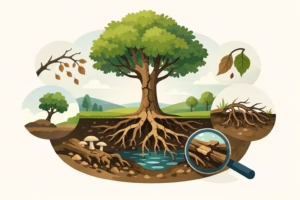
Roots do not break concrete because they are trying to. In most cases, roots grow where conditions support them. Driveways often trap moisture below the surface, nearby soil may be compacted, and shallow roots naturally move toward oxygen and water. As those roots increase in diameter over time, they can push against concrete slabs, pavers, and asphalt from below.
This is especially common with older trees, fast-growing species, and trees planted too close to the driveway in the first place. In many residential landscapes, the original planting looked fine when the tree was small. Ten or fifteen years later, the root flare has expanded, the canopy has matured, and the hardscape around it no longer has enough clearance.
Driveway damage is not always caused by aggressive roots alone. Soil movement, poor base preparation, drainage issues, and repeated vehicle weight can make the surface more vulnerable. That matters because the solution depends on what is really happening underground. Some situations call for root management and pruning. Others point to tree removal, driveway redesign, or a combination of both.
Signs of tree roots damaging driveway areas
The obvious sign is lifting or cracking, but there are a few patterns that tell you the tree may be involved. One is a ridge or hump that follows the path from the trunk toward the driveway. Another is separation between slabs where one side sits higher than the other. With asphalt, you may see long raised lines, surface distortion, or uneven settling near a tree line.
You may also notice changes in the tree itself. Leaning, exposed roots, thin canopy growth, or signs of decline can mean the root zone has already been stressed by past cuts, compaction, or construction. That is why driveway damage should not be treated as an isolated hardscape problem. The tree and the driveway affect each other.
If the raised area creates a trip hazard, catches tires, or directs water toward the garage, it has moved beyond cosmetic damage. At that point, waiting usually increases both liability and repair costs.
Why cutting roots is not a simple fix
Homeowners sometimes assume the answer is to cut out the problem roots and pour new concrete. In reality, that can create a second, more serious problem. Large structural roots help support the tree and transport water and nutrients. Removing the wrong roots can weaken stability, invite decay, and increase the risk of failure in wind or saturated soil.
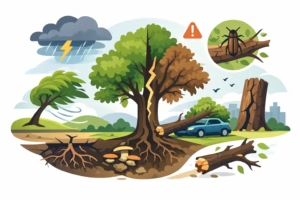
This is particularly important in the Vancouver, Washington area, where seasonal storms and wet conditions already put stress on trees. A compromised root system may not show immediate symptoms. The tree can look fine for a while and then decline later, or become more vulnerable during the next major weather event.
There is also the question of how much root can be removed safely. That depends on tree species, size, age, health, soil conditions, and how close the roots are to the trunk. There is no one-size-fits-all rule that works for every property. Safe root pruning should be based on an informed assessment, not a rough cut with a saw.
When repair makes sense and when removal is the better option
Some trees can coexist with a repaired driveway if the root issue is managed early enough. If the tree is healthy, the damaging roots are limited, and the structure of the tree is sound, a professional may recommend selective root pruning paired with driveway modifications. That might include rerouting the affected section, using a different base design, or allowing more room around the root zone.
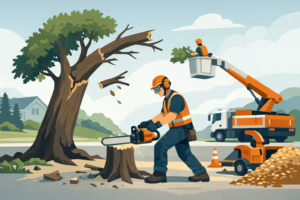
Other situations are less forgiving. If the tree is too close to the driveway, already declining, structurally compromised, or likely to continue causing damage, removal may be the more practical long-term decision. This is often the case when a large species has simply outgrown the space available.
There is a trade-off here. Preserving a mature tree can be valuable for shade, appearance, and property value, but not every tree can be preserved safely in a constrained site. Repeated concrete repairs around a problem tree can cost more over time than addressing the tree itself. A qualified arboricultural assessment helps clarify which option protects both the property and the people using it.
What a professional evaluation should cover
A proper site visit should look at more than the broken concrete. The goal is to understand the relationship between the tree, the root system, and the surrounding conditions. That includes the tree species, trunk size, visible root flare, health of the canopy, proximity to structures, drainage, soil compaction, and the extent of driveway movement.
In some cases, the root causing the lift is not critical to tree stability. In others, that root is part of the tree’s main structural support. The difference matters. So does the age and condition of the driveway itself. If the surface was already failing due to age or poor installation, roots may be only part of the picture.
A professional tree service should also factor in safe work practices and accepted industry standards. Root pruning, removal, and any structural work around mature trees should be approached carefully, with attention to property protection and worker safety. For customers, that means hiring a company that treats this as technical tree work, not a quick landscape cleanup.
How to prevent future root and driveway conflicts
Prevention starts with planning. When new trees are planted, species selection and spacing matter more than most people realize. A tree that looks manageable at installation can become a major hardscape problem as it matures. Planting distance from driveways, sidewalks, foundations, and retaining walls should reflect the mature size of the tree, not the size it is today.
For established properties, regular pruning and tree health monitoring can help identify potential conflicts before they become major repairs. Root issues are harder to correct once concrete has already lifted several inches. Early action gives you more options.
If you are replacing a damaged driveway, that is also the time to think strategically. Depending on the site, adjustments to layout, edge clearance, and construction approach may reduce future pressure from roots. It depends on the tree, the grade, and how much root space is available. The important part is coordinating the tree work and the hardscape work rather than treating them as two separate problems.
Tree roots damaging driveway areas can point to bigger safety concerns
The driveway is often what gets your attention first, but the bigger concern may be what is happening with the tree itself. If roots are surfacing aggressively, lifting hardscape, or crowding the base of a structure, there may be deeper site limitations at play. Compacted soil, poor drainage, previous trenching, and limited root space can all push a tree into unhealthy growth patterns.
That does not mean every damaged driveway signals a dangerous tree. It means the issue deserves a closer look before anyone cuts roots, replaces concrete, or ignores the problem for another season. A tree that appears stable can still have hidden stress. A driveway that seems like a small nuisance can still create liability for falls, tire damage, and water intrusion.
At M & R Tree Services, we approach these calls with the same focus we bring to all high-risk tree work: safety, clear recommendations, and reliable service backed by professional standards. If you are dealing with tree roots damaging driveway surfaces, the smartest move is to get the site evaluated before the damage spreads or the wrong fix creates a larger hazard.
A cracked driveway can wait a week. A compromised root system should not wait on guesswork.