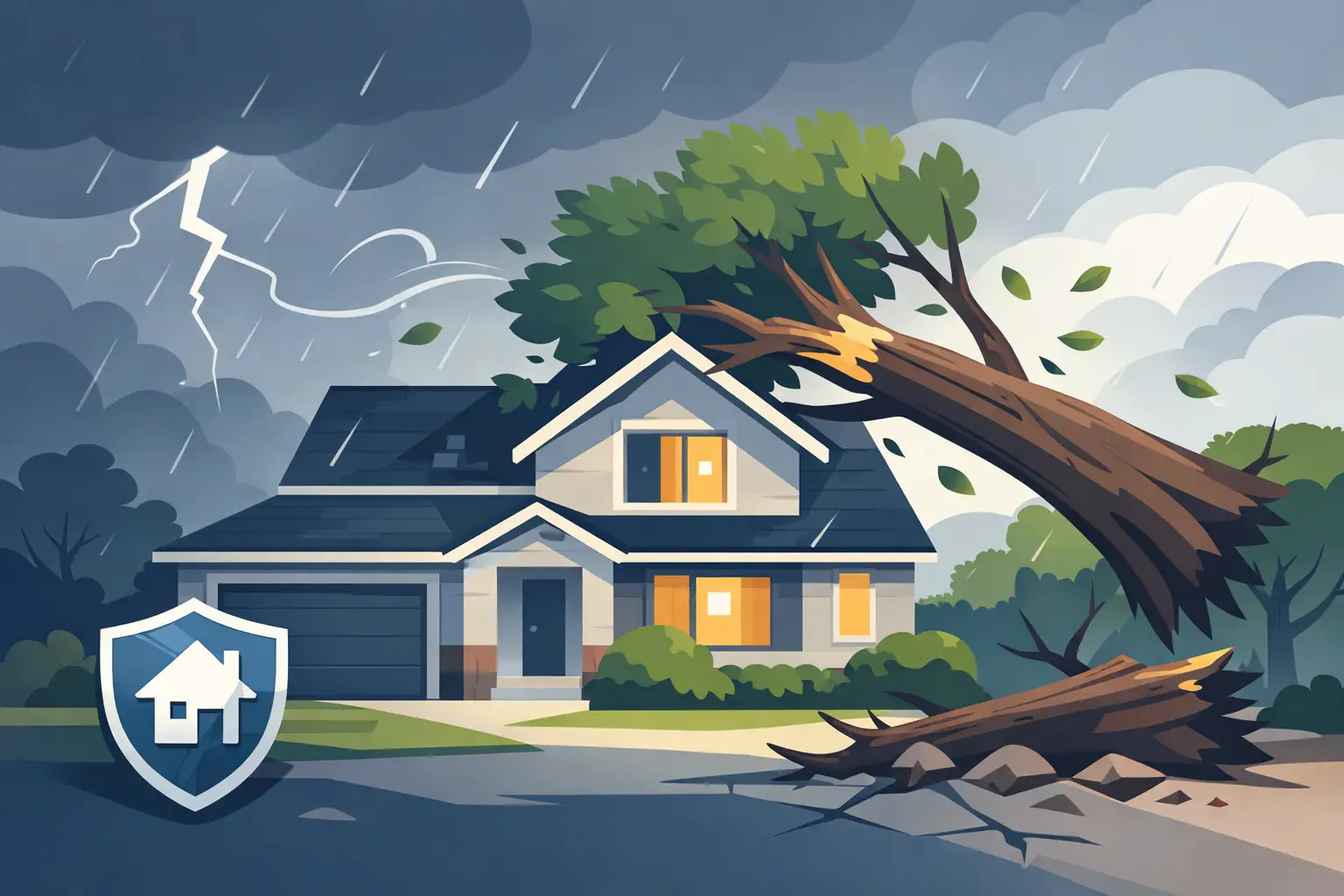
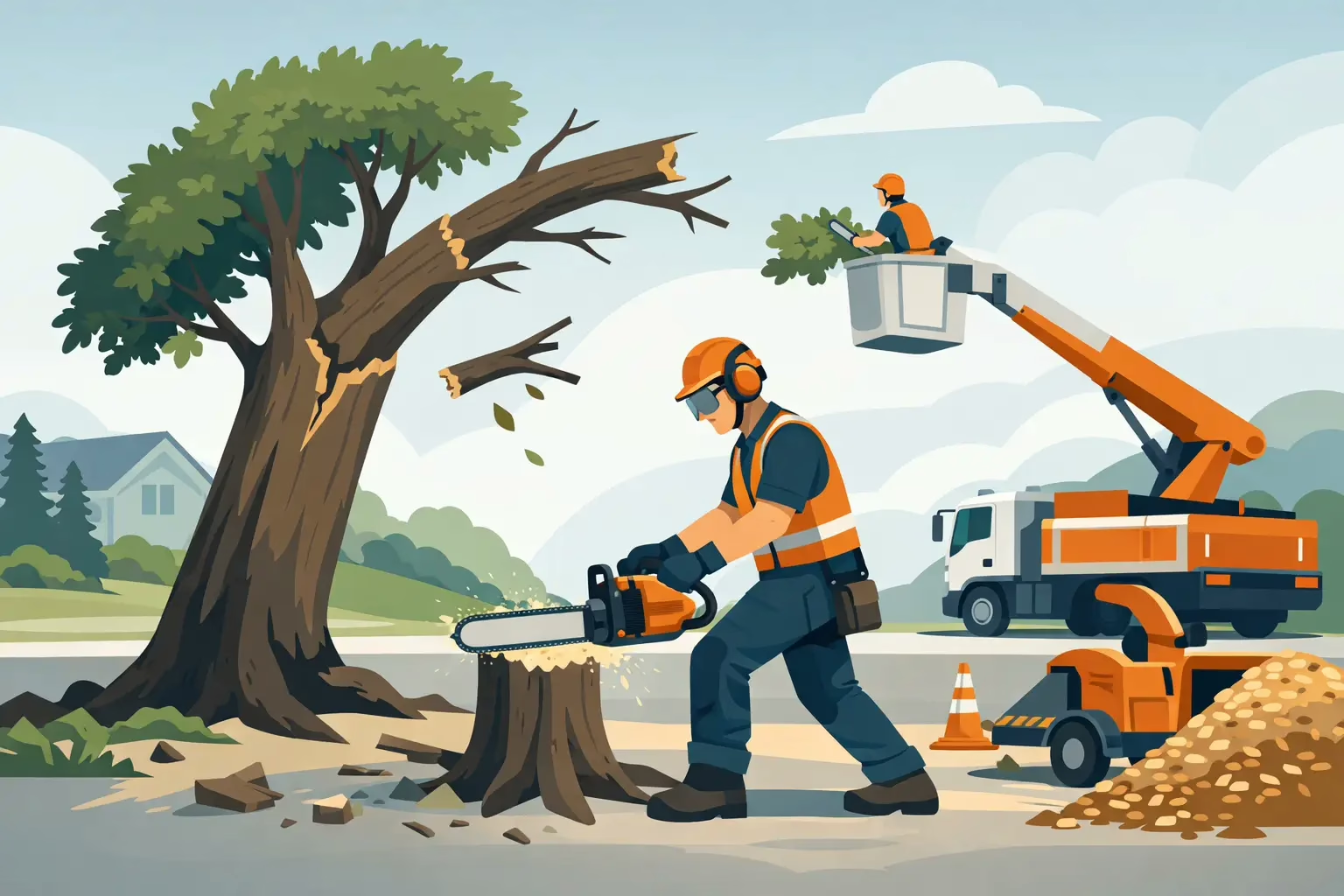
A tree can look stable one week and become a serious risk after a windstorm, heavy rain, or a sudden split in the trunk. When a tree is leaning toward your home, dropping large limbs, or showing signs of decay, this is not routine yard work. It is a safety issue that needs prompt, professional attention.
If you have searched for hazardous tree removal near me, chances are you are not looking for general advice. You want to know what counts as a hazard, how fast the problem should be handled, and whether the company you call can do the work safely. Those are the right questions to ask.
What qualifies as hazardous tree removal near me?
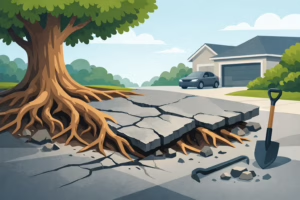
Hazardous tree removal usually involves a tree that poses an immediate or developing risk to people, homes, vehicles, power lines, fences, or nearby structures. In some cases, the danger is obvious. A tree may be uprooting, cracked through the main stem, or hanging over a roof after a storm. In other cases, the risk is less visible but still serious, such as internal decay, root failure, or weak branch unions that are likely to fail.
A hazardous tree is not always a dead tree, and a healthy-looking tree is not always safe. Large limbs can be compromised by storm stress. A tree can remain green while the trunk is hollowing inside. Root damage from construction or soil movement can also create instability without clear warning signs from the canopy.
That is why hazardous removals are different from standard removals. The work often requires more planning, tighter safety controls, and the right equipment to dismantle the tree in sections without creating further damage.
Signs a tree may need immediate attention
Some warning signs should move the issue to the top of your list. A sudden lean, especially if the soil is lifting near the base, can point to root failure. Long vertical cracks in the trunk, split leaders, or large broken limbs hanging in the canopy are also major concerns. Mushrooms growing around the base can suggest decay in the root zone, and heavy deadwood over driveways or homes should never be ignored.
You may also notice more subtle problems, such as a tree that has lost a significant portion of its canopy, bark peeling away in large sections, or branches rubbing and tearing at weak attachment points. Not every defect means removal is the only option. Sometimes pruning, cabling, or bracing can reduce risk. But when structural integrity is already compromised, removal may be the safest path.
The key factor is not whether the tree looks unattractive. It is whether the defect increases the chance of failure and the consequences of that failure are high.
Why local experience matters
When people search for hazardous tree removal near me, they are usually trying to find a company that can respond quickly and understands local conditions. That matters more than it may seem.
Trees in Vancouver, Washington and surrounding areas deal with seasonal wind, saturated soils, and weather patterns that can expose weaknesses fast. A local crew is more likely to recognize how regional tree species respond to storm stress, what common failure points look like, and how site conditions affect removal planning. Access issues also vary from property to property. Tight residential lots, fences, sheds, overhead utilities, and neighboring homes all change the approach.
This is not just about convenience. It is about choosing a team that knows how to assess the risk in real-world conditions and complete the job without adding new hazards.
What to expect from a professional hazardous tree removal service
A professional removal starts with an on-site evaluation. The crew should assess the tree’s condition, its lean, structural defects, surrounding obstacles, and the safest removal method. In hazardous cases, the plan may involve sectional dismantling, controlled rigging, climbing, or specialized equipment depending on the space and the tree’s stability.
You should also expect clear communication. A reliable company will explain what they found, whether removal is necessary, what safety precautions are involved, and what the work area will look like during the job. If the tree is near a home, road, or utility line, that should be addressed directly in the plan.
Professional standards matter here. Hazardous removals should be performed with attention to ANSI standards and OSHA regulations, because the margin for error is small. Proper training, equipment, and work practices help protect both your property and the crew on site.
Hazardous tree removal is not always an emergency, but sometimes it is
There is a difference between a tree that should be removed soon and a tree that needs immediate response. A declining tree in an open backyard may be a priority, but not necessarily an emergency. A split tree over a bedroom, a failed limb blocking access, or a storm-damaged tree tangled near a structure is a different situation.
If the tree has already partially failed, is actively shifting, or is creating an immediate danger, emergency service is often the right call. Fast response can reduce the chance of further property damage and help secure the area before conditions worsen.
At the same time, not every concern requires middle-of-the-night removal. A responsible company will tell you when a situation is urgent and when it can be scheduled safely during normal service hours. That kind of honesty matters.
What affects the cost of hazardous tree removal?
Homeowners often want a simple flat number, but hazardous removals depend on several site-specific factors. The height and diameter of the tree matter, but so do the location, structural condition, access, and nearby targets. A tree hanging over a roof or wedged into another tree takes more time and care than a tree standing clear in an open area.
Emergency timing can also affect pricing, especially after storms when crews are responding outside standard hours. Equipment needs, cleanup scope, and whether stump grinding is included may change the estimate as well.
Affordable service is important, but with hazardous tree work, the lowest quote is not always the safest choice. The better question is whether the company is equipped to manage the risk properly and complete the work without cutting corners.
How to choose the right company when safety is on the line
When comparing tree services, look beyond basic availability. Ask whether the company is licensed and insured, how they approach hazardous removals, and whether they follow recognized safety standards. Experience matters, especially with technical removals near homes and tight residential spaces.
It also helps to choose a team that communicates clearly and treats your property with respect. Hazardous tree removal can be stressful for homeowners. You should not have to chase down answers or wonder what is happening on the day of service.
M & R Tree Services serves homeowners and property managers in Vancouver, Washington and nearby communities with professional tree removal, emergency response, pruning, stump grinding, and structural support services. For customers dealing with dangerous trees, the goal is simple: provide safe, reliable work backed by experience, strong standards, and responsive service.
Why waiting can get expensive
A hazardous tree does not always fail right away, which is why many property owners delay action. The problem is that tree defects rarely improve on their own. A crack can widen. Root damage can spread. A limb that seems stable in calm weather may fail in the next wind event.
The cost of removal is one part of the decision. The cost of waiting can include roof damage, vehicle damage, blocked access, fence loss, cleanup, and in the worst cases, injury. Prompt assessment gives you options. Waiting often removes them.
If you are searching for hazardous tree removal near me, act before the next storm
Most people do not think about tree risk until they hear a loud crack, see a trunk leaning, or find branches where they should not be. By that point, the situation may already be urgent. If something about a tree on your property does not look right, trust that instinct and have it evaluated.
A dependable local crew can tell you whether the tree needs removal now, whether another solution may work, and how to address the problem safely. If you are in Vancouver or the surrounding area, you can learn more or request service at https://mandrtreeservices.com/. A timely call today can prevent a much harder problem tomorrow.