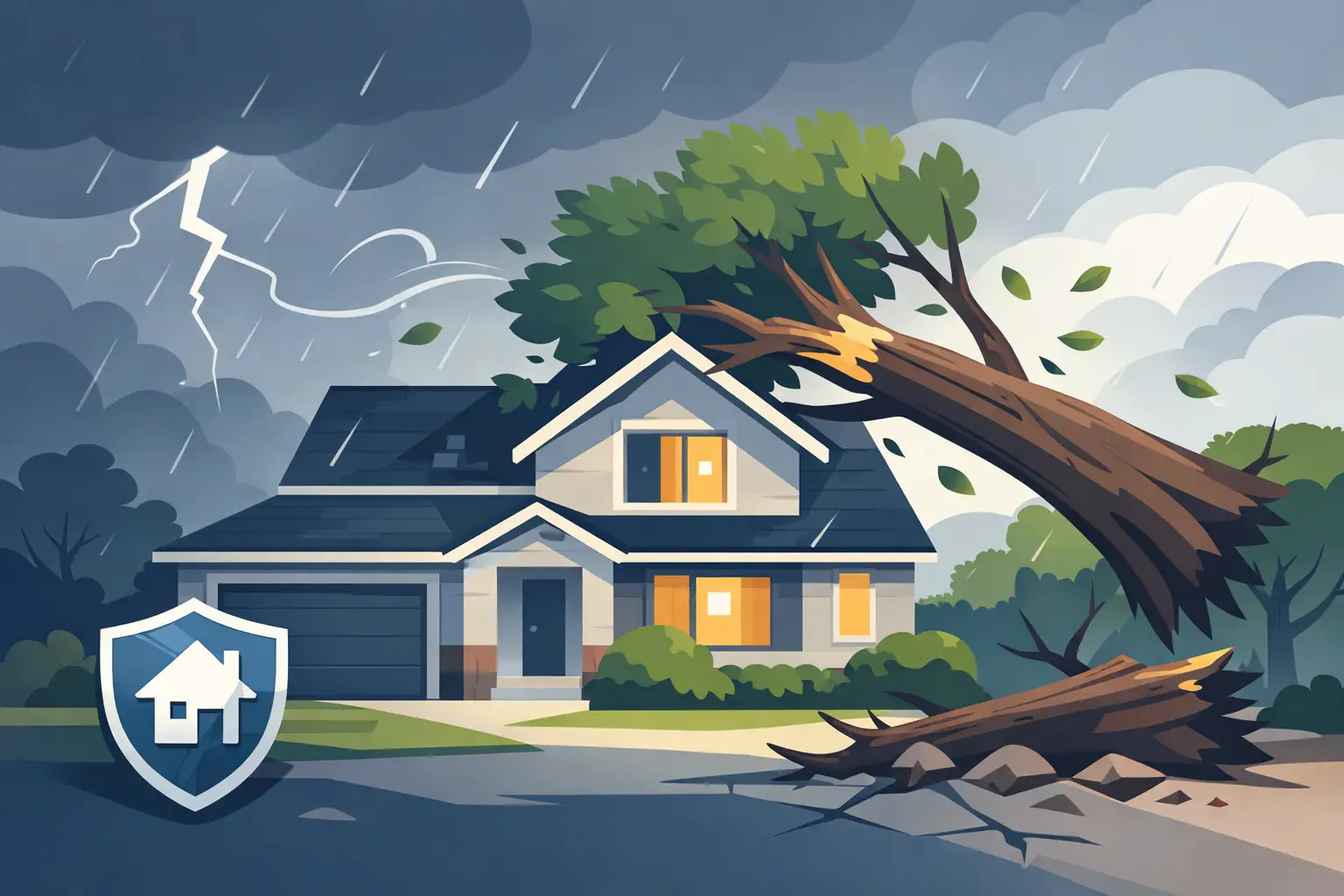
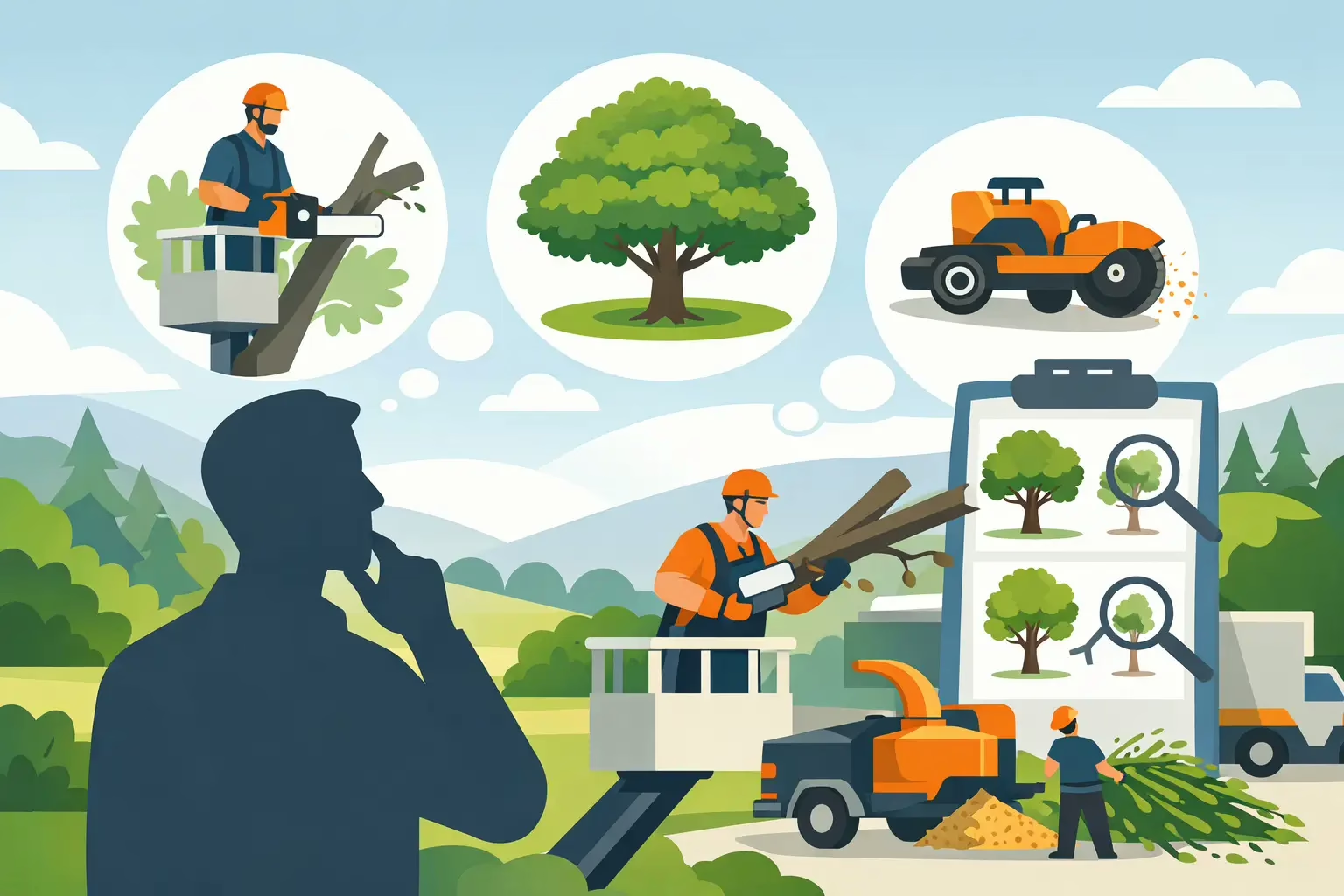
When a large limb is hanging over your roof or a storm has left a tree leaning toward the driveway, figuring out how to choose a tree service stops being a casual search and becomes a decision that affects your property, your safety, and your budget. Tree work is high-risk work. The right company protects your home, handles the job correctly, and gives you confidence from the first call to the final cleanup.
Why choosing the right tree service matters
Tree care is not just about cutting branches and hauling debris. A qualified crew needs to know how tree structure works, how to manage rigging safely, how to protect nearby homes and utilities, and when a tree can be saved instead of removed. That matters whether you need pruning for overgrowth, support for a split trunk, stump grinding after removal, or emergency storm cleanup.
The lowest quote can look appealing at first, but tree work is one of those services where cutting corners can get expensive fast. Poor pruning can weaken a tree. Improper removal can damage fences, roofs, vehicles, and underground utilities. An uninsured crew can leave the property owner exposed if something goes wrong. A dependable company helps you avoid those risks.
How to choose a tree service without guessing
A good starting point is to look past marketing claims and focus on proof. Any company can say it is professional, affordable, or experienced. What you want is a business that can show clear standards, proper licensing, insurance coverage, and a history of doing this work safely.
Ask direct questions. Are they licensed for the work they perform? Are they insured? Do they follow ANSI standards and OSHA regulations? Do they have experience with the exact service you need, whether that is tree removal, pruning, cabling, bracing, stump removal, or emergency response? A solid company should be comfortable answering those questions clearly.
You should also pay attention to how they communicate. If it is difficult to get a straight answer before the job starts, that usually does not improve once work is underway. Professional tree service companies are organized, responsive, and willing to explain their recommendations in plain language.
Licensing and insurance come first
If you remember only one part of this guide, make it this one. Licensing and insurance are not extras. They are basic requirements.
A legitimate tree service should be properly licensed to operate in its service area. That shows the company is set up to do business the right way. Insurance matters just as much. Tree work involves climbing, cutting, rigging, heavy equipment, and unpredictable conditions. You want a company with liability insurance and workers’ compensation coverage so you are not left carrying the risk.
If a company hesitates when you ask about coverage, move on. The same goes for anyone who offers a bargain price but cannot document that they are insured. Saving a little upfront is not worth the exposure.
Safety standards tell you a lot
Not every homeowner knows the details of tree industry standards, but you should know the names ANSI and OSHA. ANSI standards guide proper arboricultural practices. OSHA regulations govern workplace safety. A company that references both is signaling that safety is part of how it operates, not just something it mentions after the fact.
This matters in practical ways. Safe work practices reduce the chance of injury, property damage, and avoidable mistakes. They also tend to reflect a more disciplined operation overall. Crews that take safety seriously are usually better at planning, communication, and cleanup too.
Experience should match the job
Tree service is a broad category. Removing a dead tree near a house is not the same as pruning mature shade trees for health and clearance. Emergency storm response is different from routine maintenance. Cabling and bracing require a different level of assessment than basic trimming.
That is why experience needs context. A company with years in business is a strong sign, but you should also ask whether they regularly handle your type of project. If your tree has structural weakness, you want a crew that understands support options. If a storm has brought down large limbs, you want a team that can respond quickly and work safely under pressure.
What to look for in estimates and pricing
Price matters, and it should. Most property owners are trying to make a smart decision, not an unlimited one. But when comparing estimates, look for clarity instead of just the lowest number.
A professional estimate should explain what work is included. Will debris be hauled away? Is stump grinding part of the quote or separate? Will the crew protect surrounding landscape features? If pruning is recommended, what is the goal – clearance, health, structure, or hazard reduction? The more clearly the scope is defined, the easier it is to compare companies fairly.
Be cautious with vague quotes. If the estimate is just a number with no details, you may end up paying more later or receiving less service than expected. Fair pricing is not the same as cheap pricing. A reliable company charges based on the complexity, risk, equipment, labor, and skill required to do the work correctly.
Reviews help, but read them with context
Online reviews can be useful, especially for learning how a company treats customers. Look for patterns. Do people mention punctuality, professionalism, cleanup, and communication? Do reviews speak to reliability during urgent situations? Do customers describe the crew as respectful and careful around homes and yards?
A few short reviews with no specifics are less helpful than detailed feedback that explains what kind of job was done and how the company handled it. It is also worth noticing whether the company appears established in the local community. Local trust is earned over time.
Signs you may be talking to the wrong company
Some warning signs are easy to miss when you need work done quickly. One is pressure. If someone pushes you to commit on the spot without answering basic questions, that is not a good sign. Another is a lack of documentation. If they cannot provide licensing or insurance details, do not take the risk.
You should also be cautious of anyone promising to top trees aggressively or recommending major cutting without a clear reason. Good tree care is not about taking off as much as possible. It is about making the right cuts for safety, health, and long-term structure.
Poor communication is another red flag. Missed appointments, unclear estimates, and slow responses before the job often point to a frustrating experience later. When the work involves hazards near your home, responsiveness matters.
How to choose a tree service for emergency work
Emergency tree service adds another layer. After a storm, homeowners often need help fast, but speed should not replace judgment. The right company needs to be responsive, but also capable of assessing unstable trees, downed limbs, and damaged structures safely.
Ask whether they offer emergency availability outside standard business hours and whether they are equipped for storm damage cleanup. A quick response is valuable, but so is a crew that arrives with a clear plan and the right equipment. In emergency situations, professionalism matters even more because the conditions are less predictable.
Local knowledge makes a difference
Trees in the Vancouver, Washington area face a mix of weather conditions, moisture patterns, and property layouts that affect how work should be done. A local company is often better positioned to understand regional tree issues, local permitting concerns where applicable, and the service expectations of homeowners and property managers in the area.
That local connection can also make communication easier. You are not calling a distant dispatch center. You are working with a team that serves the community and depends on local trust to keep growing.
For property owners who want dependable, safety-focused service, M & R Tree Services reflects what to look for: experience, responsive support, clear professionalism, and work performed with attention to ANSI standards and OSHA regulations.
The best choice is the one that gives you confidence
If a tree service is truly qualified, you should feel that in every part of the process. The company should answer questions directly, explain the work clearly, show proof of licensing and insurance, and approach the job with safety and professionalism from the start. That is true whether you need routine trimming, full removal, structural support, or urgent storm cleanup.
A good tree service does more than complete the job. It helps you feel certain that your property is in capable hands. If you are comparing companies, choose the one that treats safety seriously, communicates well, and respects both your time and your home. That is usually the choice you will feel good about long after the saws are gone.