A tree is gone, but the job usually is not finished when the trunk hits the ground. The stump left behind can turn into a safety issue, a mowing obstacle, and a problem spot for future landscaping. That is why many property owners ask about stump grinding after tree removal right away.
The short answer is that grinding the stump is often the most practical next step. It clears the space, improves the look of the yard, and helps reduce the hassles that come with leaving a stump in place. The right timing and approach depend on your property, your plans for the area, and the condition of the root system.
Why stump grinding after tree removal is usually worth it
A fresh stump may not look urgent at first. For a few days or even a few weeks, it can seem like something you can deal with later. But stumps have a way of becoming a bigger inconvenience over time.
In a residential yard, a stump can create a tripping hazard for family members, guests, and anyone doing routine property work. If it sits near a driveway, walkway, or play area, the risk is even more noticeable. For landlords and property managers, that kind of avoidable hazard is rarely worth leaving alone.
There is also the issue of maintenance. Mowing around a stump is frustrating, and trimming grass close to it often leads to damage on lawn equipment. If roots begin to surface, the area becomes even harder to maintain neatly. What looks like a minor leftover from a tree removal can affect the whole usability of that part of the yard.
Appearance matters too. A stump can make an otherwise clean property look unfinished. If you have already invested in professional tree removal, stump grinding is often what makes the result feel complete.
What stump grinding actually does
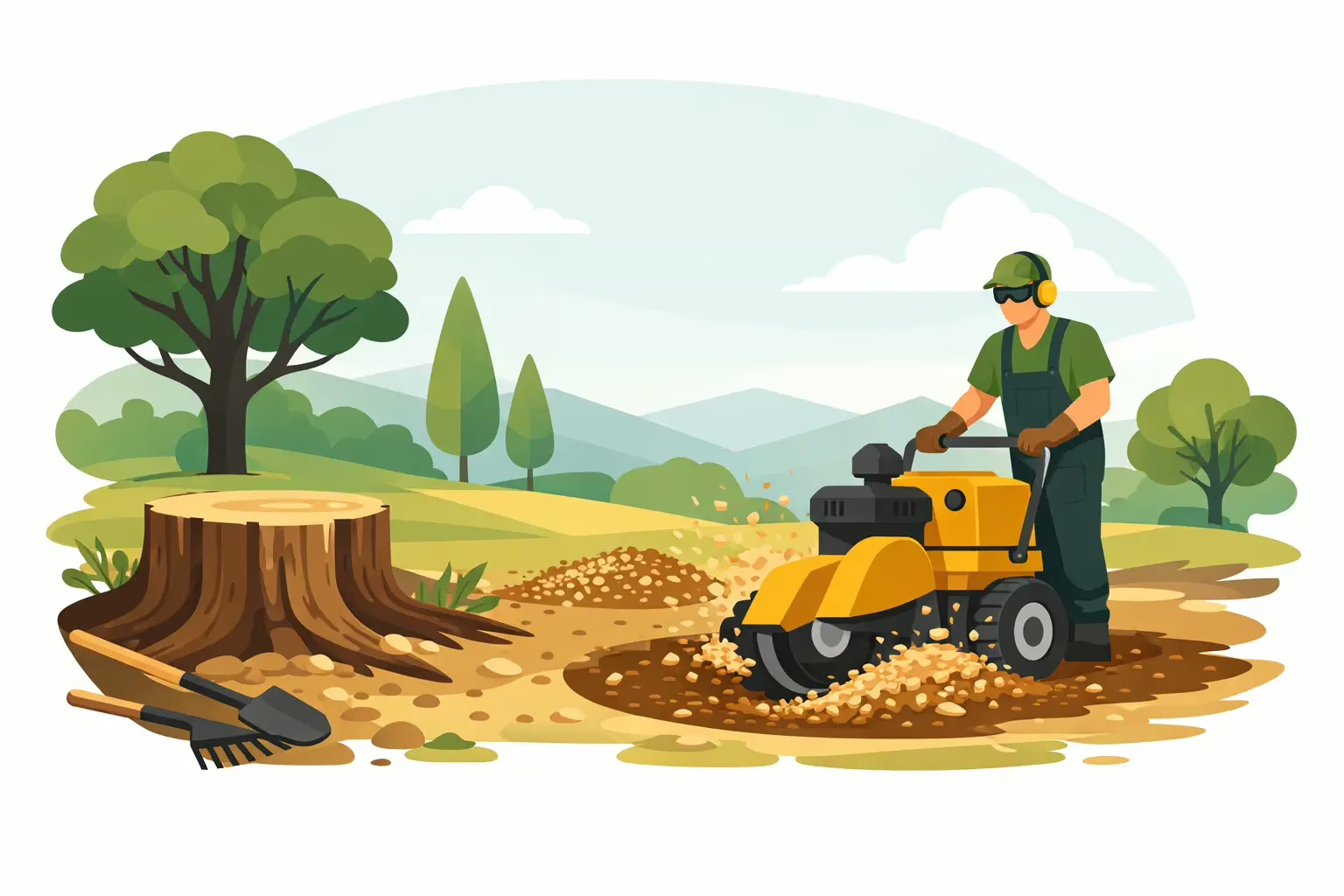
Stump grinding does not remove every root from the ground. Instead, specialized equipment grinds the stump down below the soil line, turning the wood into mulch-like material. This process removes the visible stump and allows the surface area to be restored for grass, ground cover, or other landscaping.
That distinction matters because some customers assume grinding and full root excavation are the same thing. They are not. Full removal is more invasive and usually creates a much larger disturbance in the yard. In many cases, grinding is the better option because it solves the practical problem without tearing up the surrounding landscape.
For most residential properties, that balance is exactly what people want. They want the stump gone, the yard protected as much as possible, and the work completed safely and efficiently.
When you should schedule stump grinding
In many situations, it makes sense to handle stump grinding soon after the tree is removed. The site is already being worked on, the crew has access, and you avoid living with a leftover stump for months.
That said, there are cases where timing depends on future plans. If you are preparing for a fence project, patio work, drainage changes, or major regrading, the grinding depth and scope may need to match that plan. If you want to plant a new tree in the exact same location, that should be discussed upfront because planting directly into the old stump area is not always ideal.
Weather and soil conditions can also affect scheduling. In the Vancouver, Washington area, wet ground can make access and equipment placement more complicated in some yards. A professional assessment helps determine the safest and most efficient timing, especially on softer lawns or properties with limited access.
Stump grinding after tree removal and future yard use
One of the biggest reasons homeowners choose stump grinding after tree removal is simple: they want their yard back. Once the stump is ground down, the area becomes much easier to use and plan around.
If the goal is lawn restoration, grinding gives you a cleaner starting point. If the goal is a garden bed or decorative landscaping, removing the visible stump keeps the space more flexible. For rental properties and small commercial sites, it also helps maintain a cleaner, more professional appearance.
Still, it helps to be realistic about what happens next. The ground may need topsoil, cleanup, and some finish work depending on how you want the area to look. Wood chips from the grinding process can sometimes be left for backfilling, removed, or redistributed depending on the project. The right choice depends on whether you plan to seed grass, install sod, or use the area for another purpose.
Why leaving a stump can create more problems later
Not every stump becomes a major problem overnight, but leaving one in place often invites issues that are easier to prevent than fix later.
As the wood breaks down, it can attract insects and contribute to decay in the area. That does not automatically mean every stump will cause a pest problem, but it is one more reason many property owners prefer removal. Some tree species may also try to send up new sprouts from the remaining root system, which creates an ongoing maintenance issue.
There is also the simple fact that stumps do not age gracefully. What begins as a solid, obvious obstacle can become a softer, deteriorating one that is even less attractive and still in the way. If the area is part of the everyday flow of your yard, delaying the work often means putting up with a problem that does not improve on its own.
Why professional stump grinding matters
Stump grinding is not a casual weekend project. The equipment is powerful, heavy, and capable of causing serious damage if used incorrectly. There may also be underground considerations such as utilities, irrigation lines, hardscape edges, fencing, and nearby structures.
That is where experience makes a difference. A qualified tree service evaluates access, stump size, species, root flare, and surrounding conditions before grinding begins. The work should be done with attention to safety, property protection, and cleanup, not just speed.
For customers choosing a contractor, professionalism should matter as much as price. Tree work and stump work involve real risk, and the company you hire should operate with clear safety standards. At M & R Tree Services, that means approaching each job with the kind of care homeowners expect from a team that values ANSI standards, OSHA compliance, and dependable service.
What to expect during the process
Most customers want to know two things: how disruptive the work will be and what the yard will look like afterward. The answer depends on the stump location, access to the site, and how large the stump is.
In general, the crew will position the grinder, remove the stump below grade, and manage the debris created by the process. The work area is typically much smaller than full excavation, which is one reason grinding is often preferred. If the stump is close to delicate features such as retaining walls, utilities, sheds, or fencing, the approach may need to be adjusted.
Cleanup expectations should be discussed before the job begins. Some customers want the grindings left on site for fill or mulch. Others prefer a cleaner finish with debris hauled away. Neither option is automatically right for every property. It depends on your landscaping goals, your budget, and how quickly you want the area ready for the next step.
The cost question homeowners always ask
Yes, stump grinding is an added service after tree removal, but it often saves time and frustration later. Cost usually depends on the size of the stump, how accessible the area is, and whether there are complications such as multiple stumps or tight working space.
The cheapest option is not always the best value. If a stump is ground poorly, left too high, or handled without enough care for the surrounding property, you may end up paying more to correct the area later. A fair quote should reflect safe operation, proper equipment, and reliable cleanup.
For most property owners, the better question is not just what stump grinding costs. It is what the stump will cost you in appearance, maintenance, safety, and lost use of the space if it stays.
If you have recently removed a tree or are planning to, it helps to think of the stump as part of the same project, not an afterthought. A clean, safe yard is easier to maintain, easier to enjoy, and easier to move forward with when the work is finished the right way. If you are unsure what makes sense for your property, getting a professional quote is the simplest place to start.