A fallen limb across a driveway is stressful. A split trunk leaning toward a home, vehicle, or power line is a safety emergency. This storm damage cleanup guide explains what property owners should do first, what to leave alone, and how professional tree service helps restore your property without creating another hazard.
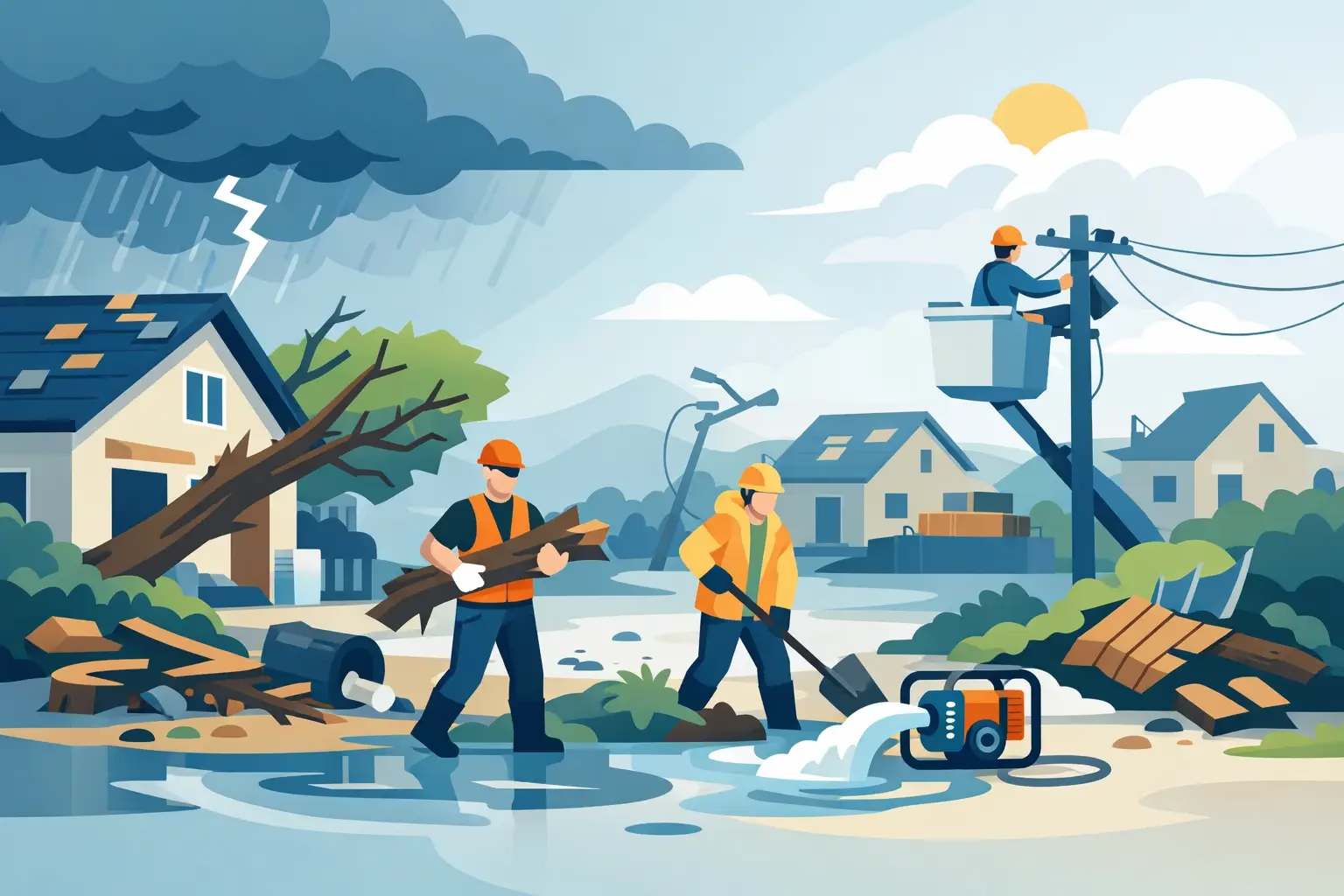
Storms in Vancouver, Washington and nearby Oregon communities can leave behind more than scattered branches. High winds, saturated soil, ice, and heavy rain can weaken root systems, crack major limbs, and expose structural problems that were not visible before the weather changed. The safest response starts with patience, a careful assessment from a distance, and a qualified crew when trees or large limbs are involved.
Start With Safety, Not Cleanup
Before walking through the yard, look for immediate hazards from a safe location. Downed power lines, hanging limbs, uprooted trees, damaged roofs, and blocked access routes all require caution. Assume every fallen or low-hanging utility line is energized. Keep people and pets away, do not touch nearby branches or fencing, and contact the utility provider or emergency services as appropriate.
Avoid standing beneath broken limbs, even if they appear caught securely in another tree. Wind can shift the load, wet wood can fail without warning, and a branch that looks small from the ground may weigh hundreds of pounds. A partially fallen tree can also be under significant tension or compression. Cutting into the wrong area may cause the trunk or limb to move suddenly.
If a tree has landed on a structure, do not climb onto the roof or attempt to pull the tree away with a vehicle, rope, or equipment. Protect the area, take photos when it is safe to do so, and arrange for professional assessment. Emergency tree work requires the right equipment, trained personnel, and a clear plan for controlling the tree’s movement.
Storm Damage Cleanup Guide: What You Can Handle
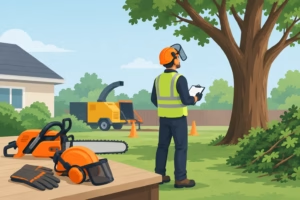
Property owners can often handle light debris once the area is confirmed safe. Small twigs, leaves, and loose branches that can be moved without reaching, climbing, cutting, or working near a damaged tree are generally appropriate for basic yard cleanup. Wear sturdy shoes, gloves, and eye protection, and keep children and pets out of the work area.
It is reasonable to clear minor debris from walkways and drains if there are no overhead hazards. Work slowly and watch for hidden sharp wood, nails, broken glass, or damaged landscape features. Do not pile debris against the home, fence, or healthy trees. Wet organic material can retain moisture and attract pests if it is left in contact with structures.
Anything larger than manageable hand debris is a different category. Leave chainsaw work, elevated branches, tangled limbs, split trunks, and trees near buildings to trained tree professionals. The trade-off is simple: waiting for proper help may be inconvenient, but an uncontrolled cut can cause severe injury or much more expensive property damage.
Document Damage Before It Changes
After confirming that you can safely access the area, take clear photos and short videos of the damage. Capture wide views that show the tree’s location in relation to the home, driveway, fence, vehicle, or neighboring property. Then take closer images of broken branches, trunk splits, root lifting, and visible structural damage.
Documentation can help with insurance communication and provides useful information to the tree service evaluating the job. Record the date of the storm and make notes about what you observed, including whether the tree was already leaning, had visible decay, or lost limbs before the event. Avoid moving major debris before your insurer has advised you, unless it is necessary to prevent further damage or eliminate an immediate safety risk.
Keep receipts for emergency protective measures, such as temporary roof covering or water mitigation. Tree removal and home repairs may be handled differently under an insurance policy, so speak with your carrier before assuming what is covered. A professional tree service can provide a clear scope of work, but it should not replace guidance from your insurer.
Know the Warning Signs of a Hidden Tree Hazard
Not every storm-damaged tree falls right away. Some remain standing but have sustained damage that raises the risk of failure during the next wind or rain event. A tree should be assessed promptly if you notice a new lean, cracked trunk, exposed roots, soil lifting around the base, or large branches hanging in the canopy.
Look for long vertical cracks, bark separation, cavities, and branches that have broken but remain suspended. Trees with multiple trunks deserve special attention after a storm because the connection between stems can be a weak point. A crack where two large stems meet may indicate a serious structural issue, even if the tree still looks stable from a distance.
Root damage is another concern in saturated ground. When soil becomes waterlogged, roots may lose their hold and a tree can shift unexpectedly. If the ground around the base has heaved or the tree has begun leaning toward a target, keep the area clear and request an evaluation. Cabling, bracing, selective pruning, or removal may be appropriate depending on the tree’s condition, location, and long-term safety.
Why Professional Storm Cleanup Matters
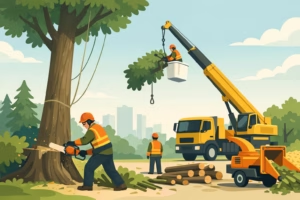
Storm cleanup is not simply a matter of cutting up fallen wood. It involves evaluating tree stability, identifying overhead and utility hazards, planning equipment placement, managing tension in damaged wood, and lowering material without damaging the property below. A crew should have the training, protective equipment, and work practices needed to handle these risks responsibly.
At M & R Tree Services, storm damage work is approached with the same focus on safety and workmanship used for removal, pruning, and structural support. Professional tree care should follow recognized ANSI standards and OSHA safety practices, especially when work involves climbing, rigging, chainsaws, or hazardous trees near homes and power lines.
The right solution depends on the damage. A healthy tree with one broken limb may only need careful pruning to remove torn wood and reduce future failure risk. A tree with a split trunk, severe root disturbance, or major decay may require removal. In some cases, a tree can be preserved with cabling or bracing, but these systems are not a cure for every structural defect. An experienced assessment helps determine whether preservation is sensible or whether removal is the safer choice.
Protect Your Property While You Wait for Service
Once you have called for help, keep the area controlled. Move vehicles away from the tree’s fall zone if it is safe to do so. Close off access with cones, tape, or another visible barrier, and let neighbors know if a hazard affects a shared driveway, sidewalk, or fence line.
If rain is entering the home because of tree-related roof damage, contact a qualified roofing or water mitigation professional as well. Do not attempt to remove limbs from the roof yourself. Reducing water intrusion matters, but personal safety comes first.
For emergencies outside standard business hours, contact a local emergency tree service that can evaluate the risk and respond appropriately. Be ready to describe the tree’s size, where it is located, whether it is on a structure or utility line, and whether access is blocked. Photos can be useful, but never put yourself in danger to get them.
Reduce Future Storm Damage
The best time to address tree hazards is before the next storm. Regular inspections can identify dead limbs, overextended branches, poor branch attachments, decay, and trees growing too close to a roof, service line, or high-use area. Proper pruning improves structure and removes hazards without the harmful topping practices that can weaken a tree over time.
Homeowners should also pay attention after long periods of heavy rain, drought, or construction near tree roots. These conditions can change a tree’s stability and health. Scheduled maintenance is often less disruptive and more cost-effective than emergency removal after a failure.
When storm damage leaves you unsure of what is safe, trust that instinct. Keep your distance, protect the people around you, and have a qualified local tree professional assess the situation. A careful response today can prevent a damaged tree from becoming tomorrow’s emergency.