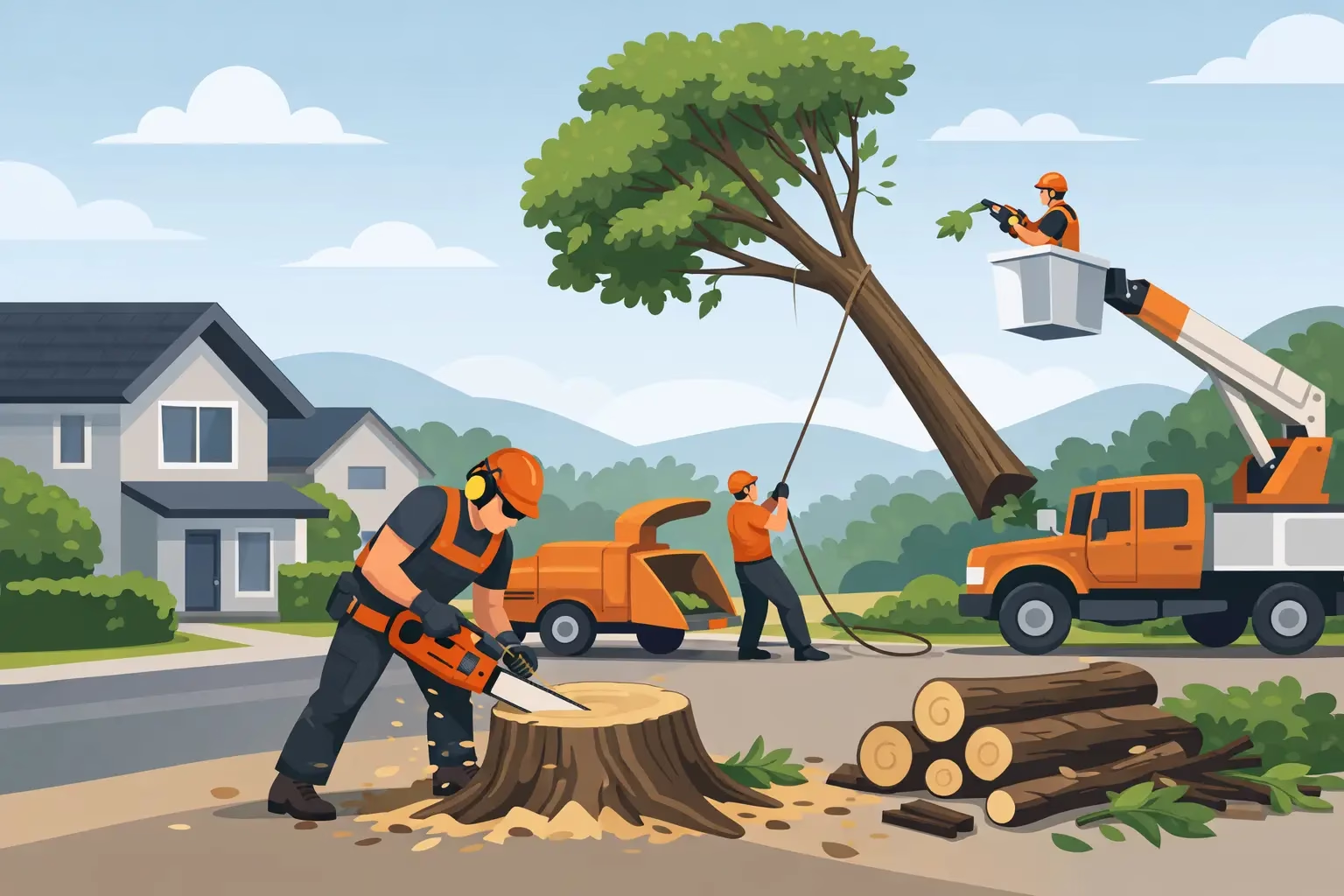
A tree can look harmless from the sidewalk and still pose a serious risk to a roof, power line, fence, vehicle, or neighboring property. This residential tree removal service review explains what homeowners should look for before choosing a crew to handle high-risk tree work. The right company does more than cut down a tree. It plans the job, protects the property, manages the debris, and completes the work with safety at the center.
Tree removal is not a service to choose on price alone. A lower bid may leave out critical details such as stump grinding, hauling, traffic control, rigging, or cleanup. A clear review process helps property owners compare companies fairly and hire with confidence.
Start With Safety, Not the Lowest Estimate
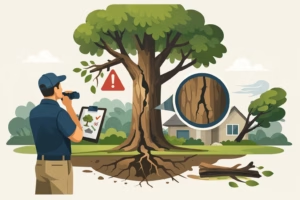
The first question is simple: can this company safely remove the tree in its current location? The answer depends on the tree’s height, lean, condition, and access, as well as what sits below it. A dead tree in an open backyard is different from a damaged fir leaning toward a house, and both require a plan based on the actual site.
A qualified tree service should be willing to explain how it will control the work area and remove sections of the tree without creating unnecessary damage. For difficult removals, that may involve controlled rigging, careful sectional dismantling, cranes, or other specialized equipment. Homeowners do not need to know every technical term, but they should receive a straightforward explanation of what will happen and why.
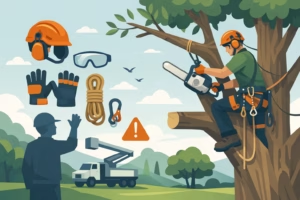
Ask whether the company follows ANSI tree care standards and OSHA safety requirements. These practices help guide everything from work-zone setup to climbing procedures and equipment use. They are especially relevant when a tree is close to a structure, utility line, road, or public walkway.
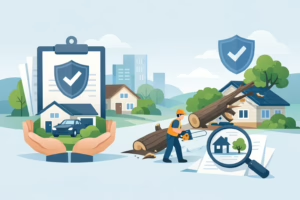
A professional crew should also carry appropriate insurance. Request confirmation rather than assuming coverage is in place. Tree removal involves real risk, and proper insurance protects both the homeowner and the workers if an unexpected incident occurs.
What a Residential Tree Removal Service Review Should Compare
A useful review is not just a collection of star ratings. Customer feedback can reveal whether a company arrives as scheduled, communicates clearly, respects the property, and leaves the site in good condition. Read both the positive and negative comments for details instead of focusing only on the overall score.
Look for repeated mentions of reliability, careful cleanup, knowledgeable crews, fair estimates, and responsive communication. Those patterns usually matter more than one unusually glowing or frustrated review. A company that consistently explains the work and follows through on commitments is often easier to work with when the job becomes more complex than expected.
It also helps to compare written estimates line by line. A complete estimate should identify the trees or limbs being removed and clarify what is included in the price. If the job involves a large tree, ask whether the quote includes hauling, wood removal, brush chipping, site cleanup, and disposal fees.
Stump work is often separate from tree removal. If you want the area ready for grass, landscaping, a fence, or another use, confirm whether stump grinding and surface-root cleanup are included. Leaving a stump can be the right choice in some situations, but it should be an intentional decision, not an unexpected omission from the estimate.
A clear estimate prevents surprises
Price matters, particularly for homeowners managing an unexpected repair or storm-related expense. Still, an estimate that is much lower than every other quote deserves a closer look. It may reflect less equipment, less labor, incomplete cleanup, or a lack of insurance and professional safeguards.
The most dependable choice is usually the company that provides a fair, clearly defined price and explains the scope without pressure. If conditions change after work begins, such as discovering hidden decay or unsafe access, the crew should discuss the issue before adding costs whenever possible.
Professionalism Shows Up Before the First Cut
The quality of the customer experience often becomes clear during the estimate. A dependable local tree company returns calls, arrives within a reasonable window, listens to the homeowner’s concerns, and assesses the entire situation rather than making a quick guess from the driveway.
During the visit, the estimator should consider access for trucks and equipment, potential lawn or driveway impacts, nearby structures, overhead hazards, and the safest direction for removing material. They should also ask about gates, pets, irrigation lines, septic systems, and neighbor access. These details are not inconveniences. They are part of protecting your property.
Communication matters even more when weather creates urgency. After windstorms or heavy rain, damaged trees can shift quickly and demand prompt attention. A company that offers emergency tree service outside regular business hours can be a valuable resource when a broken limb is hanging over a roof or a fallen tree blocks access to a home.
Emergency response does not always mean immediate full removal. In some cases, the first priority is making the area safe by removing a dangerous limb, securing the site, or clearing a driveway. A responsible company will recommend the safest practical next step rather than rushing into work that conditions do not support.
Cleanup Is Part of the Job
Tree removal can produce a surprising volume of logs, branches, chips, and fine debris. Before hiring, ask what the finished property will look like. Will the crew haul away all debris? Can wood be left in manageable lengths for firewood if requested? Will the lawn, driveway, and surrounding beds be raked and cleared?
No removal job is completely impact-free, especially when large equipment must cross a yard. However, experienced crews take reasonable steps to minimize damage and explain access needs ahead of time. They may use protective mats where conditions allow, choose a different equipment route, or adjust the work plan to protect sensitive landscaping.
The best teams also inspect the site before leaving. That final walk-through gives the homeowner a chance to confirm the agreed work is complete and ask questions about remaining stumps, wood, or the health of nearby trees.
When Removal Is Not the Only Option
A trustworthy company will not recommend removing every tree with a problem. In some cases, selective pruning can reduce weight on an overextended limb, remove deadwood, improve clearance, or correct a developing structural concern. Cabling and bracing may also help support a tree with weak branch unions when the tree is otherwise a good candidate for preservation.
That said, preservation has limits. A tree with advanced decay, severe root damage, major storm failure, or a dangerous lean may not be safely retained. The goal should be a recommendation that fits the tree’s condition, the property, and the level of risk, not a one-size-fits-all answer.
For Vancouver, Washington homeowners and nearby communities, local experience is valuable. Crews familiar with regional weather, soil conditions, common tree species, and wet-season access challenges can make better decisions on site. M & R Tree Services brings more than 14 years of experience to residential tree care, with a practical focus on safe work, clear communication, and reliable cleanup.
Questions Worth Asking Before You Hire
Before approving a proposal, make sure you can get direct answers to these practical questions:
- Is the company insured and prepared to provide proof of coverage?
- Does the quote include all cutting, hauling, cleanup, and disposal work?
- Is stump grinding included, optional, or excluded?
- How will the crew protect the home, driveway, lawn, and nearby landscaping?
- What is the plan if weather or site conditions make the job unsafe?
- Who should you contact if an urgent tree issue develops after hours?
A company should answer these questions without making you feel rushed. Clear answers are a strong sign that the team understands both the work and the responsibility that comes with it.
A tree removal decision often starts with a concern that cannot wait: a cracked trunk, dead limbs over a roof, storm damage, or a tree growing too close to the home. Take the time to choose a service that treats that concern with the seriousness it deserves, then request a detailed quote and move forward with a crew you can trust on your property.