
A large tree removal rarely starts with a chainsaw. It starts with a close look at what could go wrong – the lean of the trunk, the spread of the canopy, nearby roofs, fences, power lines, traffic, and the condition of the wood itself. When people ask how professionals remove large trees, the answer is careful planning first, controlled removal second, and cleanup that leaves the property safe and usable.
For homeowners and property managers, that process matters because every large tree is different. A healthy fir with open drop space can be handled one way. A storm-damaged maple hanging over a garage requires a completely different approach. The size of the tree matters, but location, structure, and risk usually matter more.
How professionals remove large trees step by step
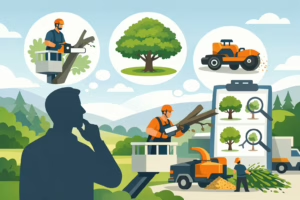
Professional tree removal begins with an on-site assessment. An experienced crew evaluates the tree species, height, trunk diameter, canopy weight, structural defects, root condition, and any signs of decay. They also look at the work zone itself – access for equipment, slope, soil conditions, nearby structures, landscape features, and whether the tree is close to utility lines or public areas.
This first step determines the removal method. In some cases, a tree can be felled in one piece into a clear landing zone. That is less common in residential settings than many people think. More often, a large tree is dismantled in sections from the top down. This gives the crew much more control and reduces the chance of damage to the surrounding property.
Once the plan is set, the crew prepares the site. That usually includes creating a drop zone, staging ropes and rigging equipment, positioning trucks or chippers, and setting clear communication among team members. Safety protocols are not just for the workers. They also protect the homeowner, neighbors, and anything within the work radius.
Why large tree removal is usually done in sections
Most large residential trees do not have enough open space to be dropped whole. There may be a house on one side, a fence on another, ornamental plants below, and overhead hazards nearby. Sectional removal allows arborists to take apart the tree in manageable pieces while guiding each cut section safely to the ground.
The climb or aerial access method depends on the job. A climber may ascend using ropes, saddle equipment, and approved climbing systems. In other situations, a bucket truck offers safer and faster access. If the tree is unstable, dead, split, or too hazardous to climb, a crane may be the better option. That choice is based on safety and control, not convenience.
The removal usually starts with the outer canopy. Limbs are cut and lowered in a planned sequence to reduce weight gradually and maintain balance. Ropes, pulleys, friction devices, and rigging points help control how branches move. Instead of letting heavy wood swing freely, the crew lowers it with precision. That is especially important when working over roofs, driveways, sheds, patios, or landscaped areas.
After the crown is removed, the main trunk is taken down in sections. Each cut is sized to match the available space, the weight capacity of the rigging system, and the condition of the wood. If the trunk wood is compromised by decay, cracks, or storm damage, cuts may need to be smaller and the process slower. Speed is never the priority on a high-risk removal. Control is.
Equipment professionals use to remove large trees
The equipment on a large tree removal job is there to reduce risk and improve control. Chainsaws are only one part of the operation. A professional crew may use climbing gear, lowering ropes, rigging blocks, slings, port-a-wrap devices, bucket trucks, cranes, wood chippers, stump grinders, and log handling equipment.
Personal protective equipment is equally important. Helmets, eye and ear protection, chainsaw-resistant leg protection, gloves, and high-visibility clothing are standard on properly managed job sites. Work practices should align with recognized safety standards, including ANSI guidance and OSHA requirements, because tree work combines heights, cutting tools, falling material, and unpredictable natural defects.
It is also worth noting that bigger equipment is not always better. A crane can be the safest choice for a tree over a home, but it may not be practical if access is limited or ground conditions are poor. A bucket truck can speed up work, but only if the site allows safe positioning. Every job comes down to matching the method to the site.
What changes the removal plan
No two large tree removals are identical. Several factors can change how the crew approaches the work, how long it takes, and what it costs.
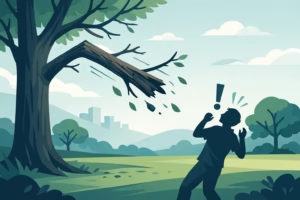
Tree condition is one of the biggest variables. A living tree with sound wood behaves more predictably than a dead or decaying tree. Dead limbs can snap without warning. Hollow trunks may not support a climber safely. Storm-damaged trees may be under tension or pressure in ways that are not obvious from the ground.
Location is another major factor. Trees close to homes, garages, fences, pools, retaining walls, and utility lines require more technical dismantling. Tight backyards can also make debris removal slower because crews may need to carry material out by hand or use smaller equipment.
Weather can affect scheduling and safety too. Rain, wind, saturated soil, or icy conditions may delay the work. That can be frustrating when a tree is already a concern, but postponing unsafe work is the right call. A dependable company will explain why timing matters instead of rushing a risky job.
Permitting and local requirements may also come into play, depending on the property and municipality. Homeowners often do not realize that some removals involve local rules, especially for protected trees or development-related work. A professional company can usually point you in the right direction before the job starts.
Cleanup is part of the job, not an afterthought
A proper large tree removal does not end when the trunk is on the ground. Debris has to be processed, hauled, and cleaned from the site so the property is safe and functional again.
Branches are typically chipped or hauled away. Larger wood may be cut into sections for removal, stacked for the owner if requested, or processed based on the scope of work. Sawdust and small debris should be cleaned up thoroughly, especially in driveways, lawns, and walkways where leftover material can create a mess or slipping hazard.
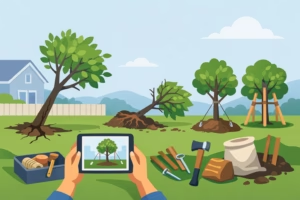
Stump grinding is often discussed at the same time as tree removal, though it is a separate service. Some customers want the stump removed right away so they can replant, restore lawn space, or eliminate a tripping hazard. Others choose to leave it temporarily. There is no one-size-fits-all answer, but it is usually easier to plan for stump work at the same time rather than treat it as an afterthought.
What homeowners should expect from a professional crew
A professional tree removal company should be clear about the process before work begins. That means explaining the removal method, the expected timeline, access needs, cleanup scope, and any site protection measures. It should also mean showing up with the right crew size and equipment for the job.
Communication matters more than people think. If a team needs driveway access, temporary vehicle movement, or a work zone kept clear, those details should be discussed in advance. Good crews are organized because organized jobs are safer jobs.
You should also expect a strong safety culture. That includes attention to work-zone control, proper rigging practices, equipment checks, and trained personnel who understand how to work around hazards. For a company like M & R Tree Services, that standard means approaching tree work with the professionalism homeowners deserve, not treating it like rough-cut labor.
Why this work should not be improvised
Large tree removal is one of the highest-risk tasks in property maintenance. The hazards are not limited to obvious things like falling limbs. There are hidden load forces in rigging systems, unpredictable failures in damaged wood, and serious consequences when a heavy section moves in the wrong direction.
That is why experienced crews rely on planning, training, and established safety standards instead of guesswork. It is also why the cheapest option is not always the best value. If a company cuts corners on equipment, staffing, insurance, or safety practices, the risk shifts back onto the property owner.
When a large tree needs to come down, the goal is not just to remove it. The goal is to remove it without damaging the home, injuring anyone, or leaving a bigger problem behind. That takes skill, judgment, and a crew that knows when a job is straightforward and when it requires a more technical approach.
If you are looking at a large tree and wondering whether it is time to act, trust the inspection more than assumptions. A professional assessment can tell you whether the tree should be removed now, monitored, or managed another way – and that clarity is often the most valuable part of the process.