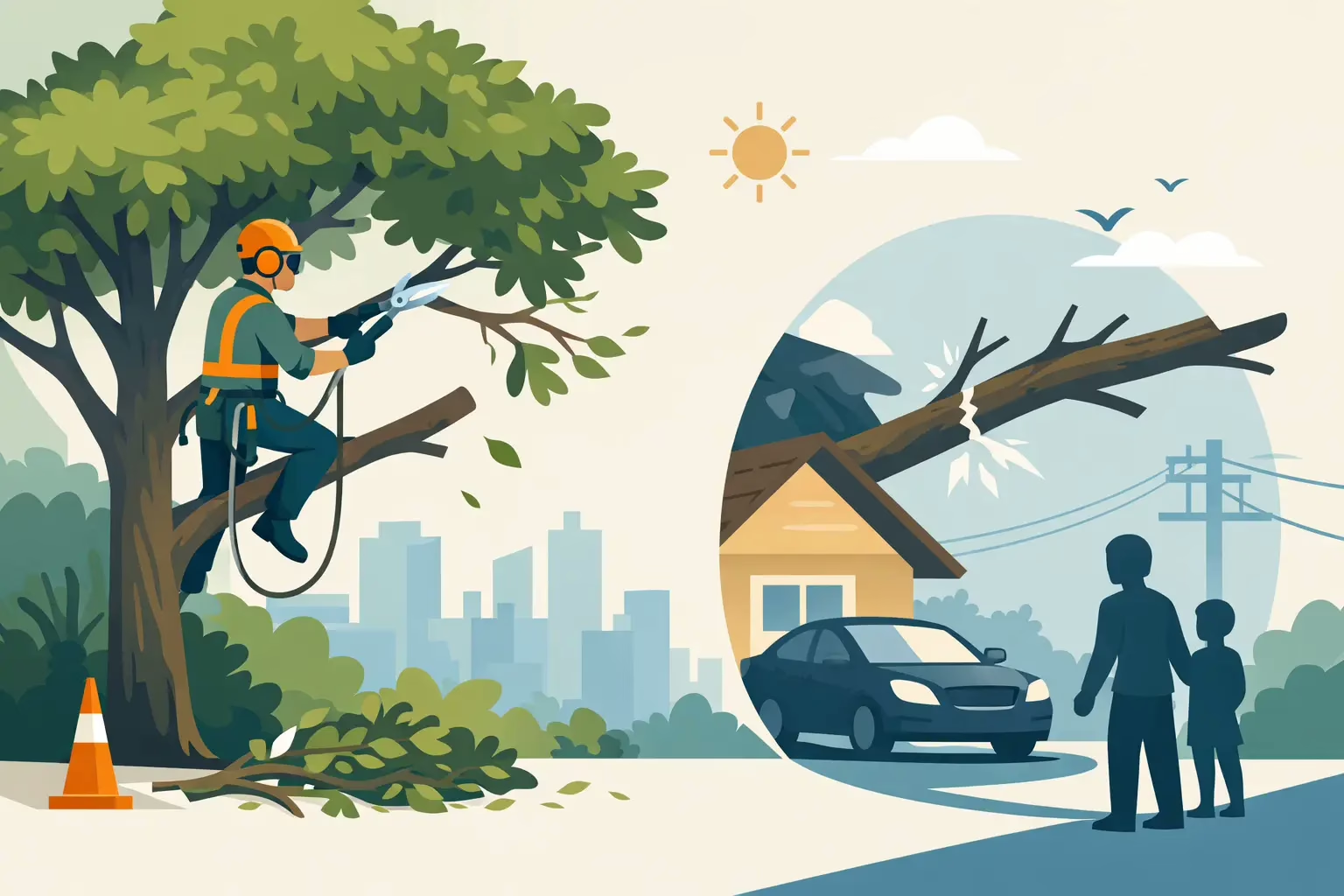
A limb does not have to fall all the way to the ground to cause a serious problem. It can crack over a driveway, hang above a roof, or shift just enough in a windstorm to damage siding, fences, vehicles, or utility lines. That is why tree pruning for safety is not just a cosmetic service. It is a practical way to reduce risk around homes, rental properties, and small commercial sites.
In the Vancouver area, trees deal with long wet seasons, heavy growth, and periods of wind that can expose weak structure fast. A tree may look full and healthy from the street while still carrying deadwood, storm-damaged limbs, rubbing branches, or weight that has become uneven over time. Safety pruning addresses those issues before they become an emergency.
What tree pruning for safety actually means
Safety pruning focuses on reducing hazards, not simply reshaping a tree. The goal is to remove or shorten limbs that are dead, broken, poorly attached, obstructive, or likely to fail under load. In many cases, the work also improves clearance over roofs, walkways, driveways, play areas, and structures where falling debris could cause injury or damage.
This kind of pruning is different from ornamental trimming. A tree can be made to look neater without becoming any safer, and the reverse is also true. Proper safety work starts with the structure of the tree, the condition of its limbs, its proximity to targets, and how it is likely to respond to weather.
The right cut in the right place can reduce end weight, remove a failing limb, and improve the tree’s balance. The wrong cut can create decay, trigger weak regrowth, or make the canopy more vulnerable later. That is one reason professional standards matter.
Common signs a tree may need safety pruning
Most property owners do not need to diagnose every tree issue themselves, but there are a few warning signs worth taking seriously. Dead branches are one of the clearest. They may have no leaves during the growing season, brittle bark, or visible cracking. Limbs that are rubbing against each other are another concern because repeated contact can strip bark and weaken both branches.
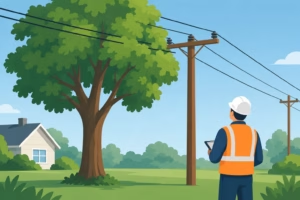
Low limbs over driveways or sidewalks can create clearance problems, especially after seasonal growth. Branches extending over a roof can scrape shingles, drop debris into gutters, and increase the impact if part of the limb fails. Trees with split unions, hanging branches after a storm, or noticeably unbalanced canopies also deserve attention.
Sometimes the issue is not obvious from the ground. Internal decay, old storm damage, and poor branch attachment can hide inside an otherwise green canopy. If a tree has changed recently, such as leaning more, dropping larger branches, or showing cracks where major limbs join the trunk, it is smart to have it evaluated sooner rather than later.
Why timing matters more than many property owners realize
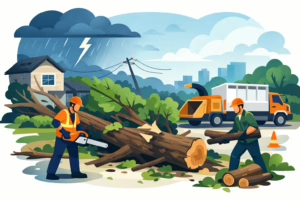
Waiting until a limb breaks is usually the most expensive time to deal with a tree problem. Emergency work often happens under more hazardous conditions, with less flexibility and higher urgency. By contrast, planned pruning gives the crew time to assess the tree properly, use the safest approach, and correct issues before they put people or property at risk.
Season also plays a role, but there is no one-size-fits-all answer. Some trees benefit from pruning during dormancy, while others may need immediate attention regardless of season because a hazard is already present. Storm-damaged limbs, broken tops, and compromised branches should not wait for the ideal pruning calendar if safety is on the line.
That said, more pruning is not always better. Removing too much canopy at once can stress the tree and lead to aggressive regrowth that is weakly attached. Good safety pruning balances risk reduction with the long-term health and structure of the tree.
Where safety pruning has the biggest payoff
Not every branch carries the same level of risk. A dead limb over an unused corner of a backyard is different from a dead limb hanging over a front entry, parked cars, or a shared access lane. The highest-priority pruning targets are usually the branches that could hit people, homes, fences, sheds, garages, and other regularly used areas.
Trees near property lines also deserve close attention. Overextended limbs can affect neighboring structures and create avoidable disputes when a failure causes damage. For landlords and property managers, regular safety pruning is often part of responsible site maintenance. It shows attention to preventable hazards and helps reduce the chance of surprise damage claims after storms.
For homes with mature trees, the payoff is often peace of mind. When high-risk limbs are removed and the canopy is properly managed, owners can go into storm season with fewer worries about what the next wind event might bring.
Why professional pruning standards matter
Tree work can look straightforward from the ground, but safe pruning requires more than a saw and a ladder. Proper technique matters because each cut affects how the tree seals, how weight is distributed, and whether new problems are created. Over-pruning, topping, flush cuts, and random limb removal can leave a tree less stable than it was before.
That is why experienced companies follow recognized pruning practices and jobsite safety procedures. ANSI standards guide how pruning should be performed, and OSHA regulations help govern safe work practices for crews operating around climbing systems, rigging, chainsaws, and nearby hazards. For property owners, that compliance is not just a technical detail. It is part of choosing a company that takes both tree health and on-site safety seriously.
At M & R Tree Services, that standard of care is central to how the work gets done. Homeowners should expect a clear assessment, careful execution, and recommendations based on actual risk, not unnecessary upsells.
Tree pruning for safety is not the same as removing every concern
There are times when pruning is the right solution, and there are times when it is only a temporary measure. A tree with a few dead overextended limbs may respond very well to corrective pruning. A tree with major trunk decay, root instability, or severe structural defects may still present unacceptable risk even after branches are removed.
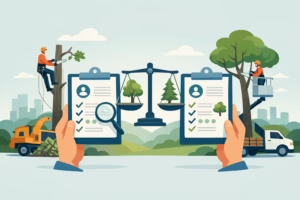
This is where honest evaluation matters. Sometimes cabling or bracing may help support a compromised structure. In other cases, removal is the safer long-term choice. The answer depends on the species, the defect, the location, and what the tree could strike if it fails.
A trustworthy recommendation should account for all of those factors. Safety-focused tree care is not about selling the biggest job. It is about matching the right service to the actual condition of the tree.
What property owners can do between service visits
You do not need to perform your own pruning to stay ahead of tree hazards. A simple visual check after storms, during seasonal leaf-out, and before fall and winter weather can help you spot changes early. Look for newly broken limbs, branches hanging lower than usual, cracked attachments, or sudden dieback in parts of the canopy.
It also helps to pay attention to repeat problem areas. If one tree regularly drops limbs over a driveway, brushes the roof, or loses branches during moderate wind, that pattern is worth addressing. Trees rarely become hazardous overnight without warning. More often, they show signs that get missed until the problem becomes urgent.
When something looks questionable, the safest next step is a professional inspection. That is especially true for large trees, trees near structures, and any pruning that would require climbing, rigging, or work near power lines.
Choosing the right help for safety pruning
For most property owners, the real question is not whether safety pruning matters. It is whether the company doing the work understands risk reduction, proper pruning methods, and safe operations. Experience matters. So do licensing, insurance, and a clear commitment to recognized industry standards.
A reliable tree care company should be able to explain what needs attention, why it matters, and whether pruning, structural support, or removal makes the most sense. They should also respect the fact that cost matters while still being honest about what should not be delayed.
If you have trees over your home, driveway, rental unit, or high-traffic yard, safety pruning is one of the most practical ways to stay ahead of preventable damage. A well-timed assessment today can spare you a much bigger problem when the weather turns.