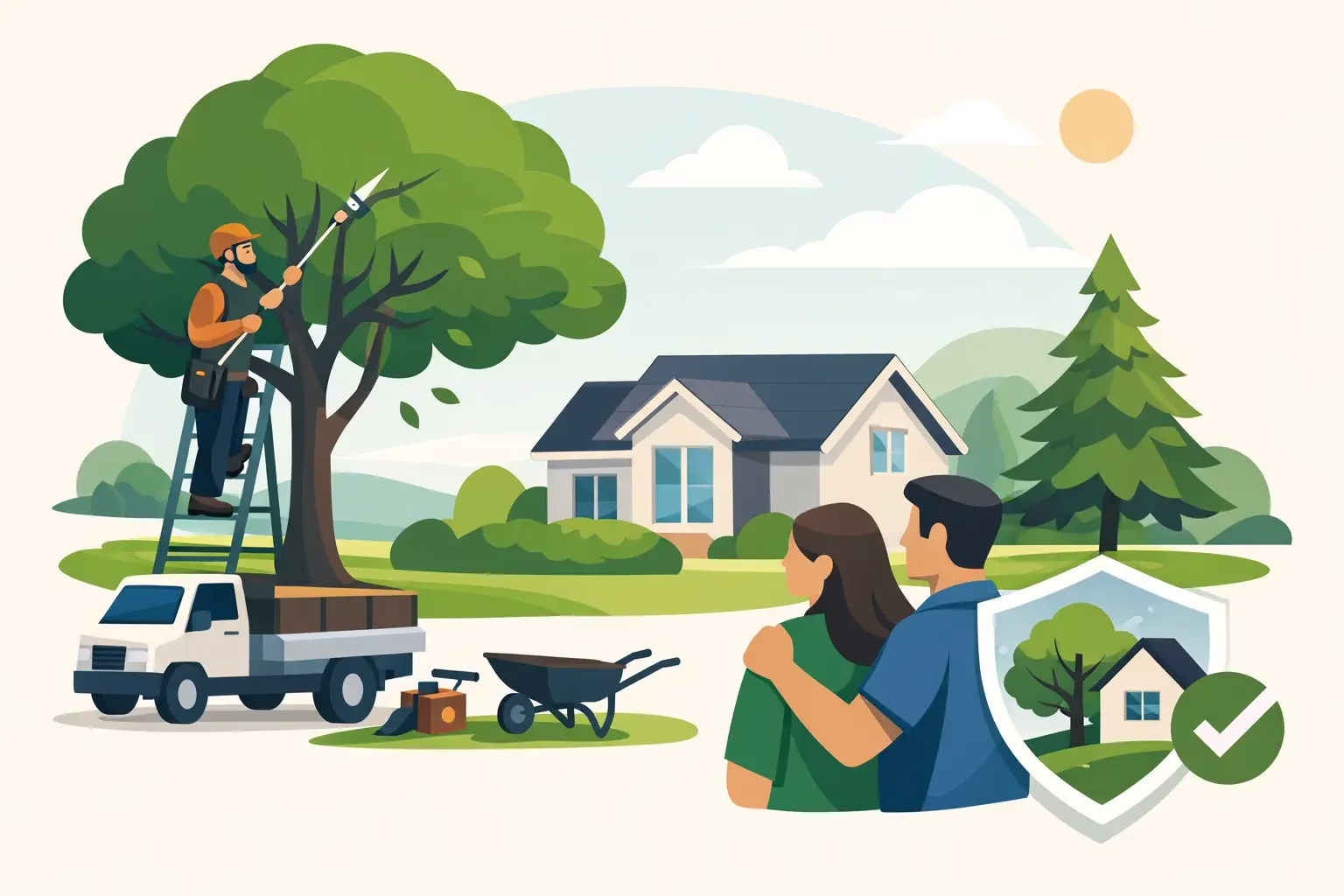
A tree limb does not need to fall to become expensive. Overgrown branches can scrape a roof, shade out a lawn, interfere with power lines, or place constant stress on a weak trunk. Affordable tree maintenance plans give homeowners and property managers a practical way to address those concerns before they become urgent calls, major repairs, or safety hazards.
For properties in Vancouver, Washington, and nearby communities, routine tree care is especially valuable. Wet winters, windstorms, mature evergreens, and fast-growing deciduous trees can all create conditions that change quickly. A good plan is not about cutting every tree back on a fixed schedule. It is about inspecting the right trees, performing the work that matters, and budgeting for care in a way that protects your property.
What Affordable Tree Maintenance Plans Should Include
An affordable plan should be based on your property’s actual risks, not a one-size-fits-all package. A small lot with two young ornamental trees needs something very different from a larger property with mature firs near a driveway, roof, or neighboring home.
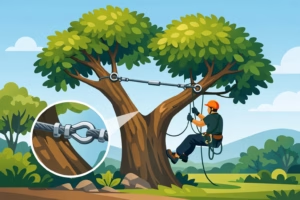
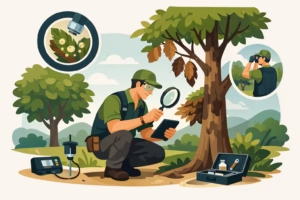
The process usually begins with a professional evaluation. This helps identify dead, damaged, rubbing, overextended, or poorly attached limbs. It also helps determine whether a tree has structural concerns that call for pruning, cabling and bracing, or a more serious conversation about removal.
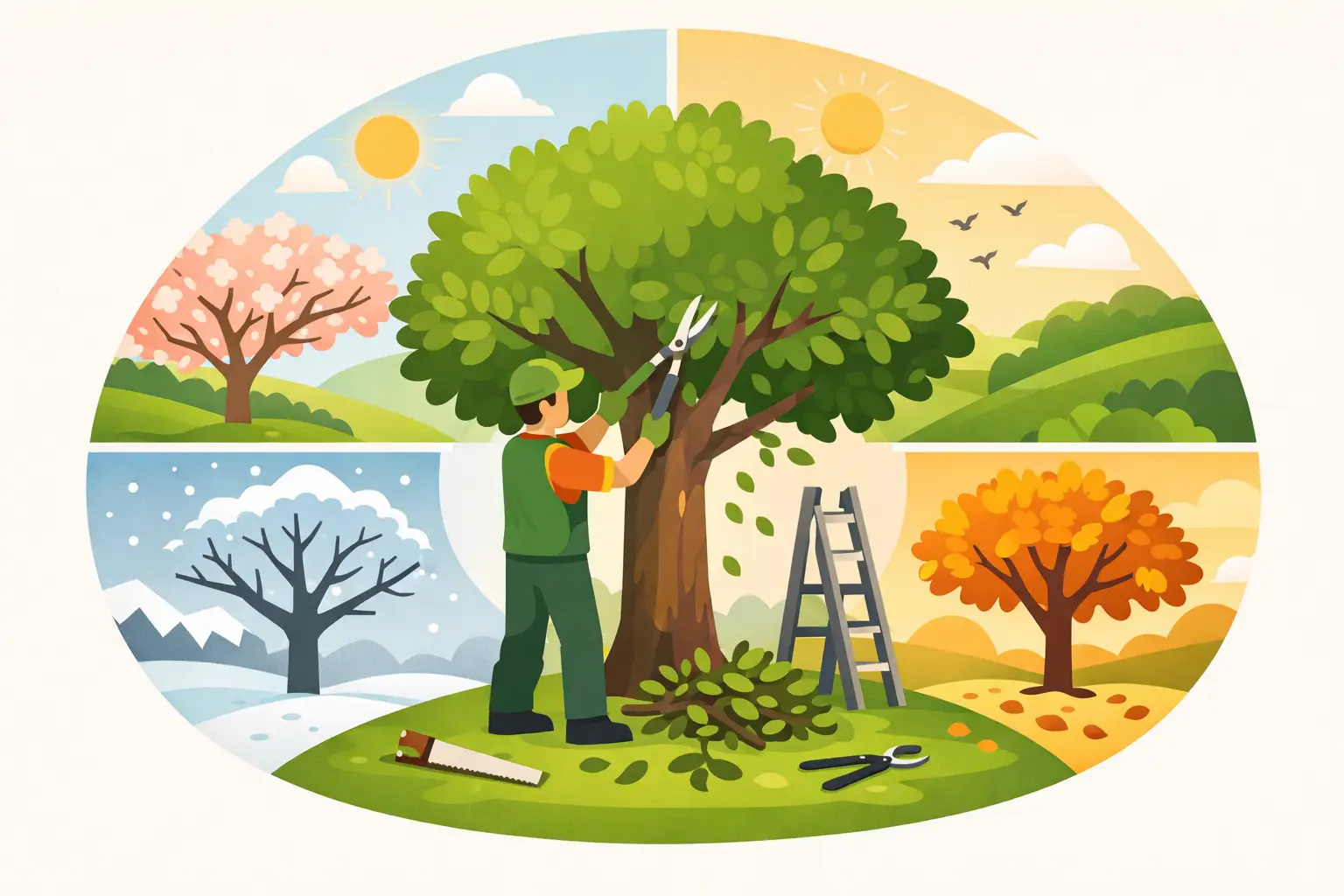
From there, a maintenance plan may include seasonal pruning, canopy thinning where appropriate, clearance pruning around buildings and access areas, and removal of deadwood. Stump grinding can also be scheduled after a removal rather than becoming an unexpected expense later. The goal is to prioritize work that reduces risk and supports the health and structure of valuable trees.
Affordable does not mean cutting corners. Tree work involves heights, heavy material, nearby structures, and sometimes energized utility lines. Professional crews should follow recognized ANSI tree care practices and OSHA safety requirements. Those standards help ensure pruning decisions are sound and the work is completed with the right equipment, training, and site protection.
Why Preventive Care Costs Less Than Emergency Work
Emergency tree service has its place. When a storm drops a limb across a driveway or a tree is resting on a structure, fast action matters. But emergency work is often more complex because crews must respond to an unstable situation, work around damage, and protect the property from further loss.
Planned maintenance gives you more control. A weak branch can be removed before high winds make it dangerous. A dense canopy can be evaluated before it catches excessive wind. A tree growing too close to a roof can be pruned before branches damage shingles, gutters, or siding.
There are limits to what routine pruning can solve. A tree with severe decay, major root damage, or a pronounced lean toward a home may require removal instead of repeated trimming. That is not always the least expensive recommendation in the moment, but it can be the safer and more economical decision over time. A reliable tree care provider should explain the reason for the recommendation clearly, including the options and trade-offs involved.
Build a Plan Around Your Highest-Priority Trees
Most property owners do not need every tree serviced at once. A practical maintenance plan starts with the trees that could cause the greatest damage if they fail or continue growing unchecked.
Trees near homes, garages, fences, driveways, patios, play areas, and parking spaces generally come first. Next are trees with visible dead limbs, split leaders, crowded canopies, storm damage, or branches extending toward utility lines. Healthy trees farther from structures may only need periodic inspection and selective pruning.
This approach keeps the budget focused. Instead of paying for unnecessary cosmetic trimming across the entire property, you can schedule essential safety and clearance work first. Lower-priority pruning can be planned for a later visit if it is still needed.
For landlords and small commercial property managers, this prioritization also helps document responsible property upkeep. Routine evaluations can identify conditions that affect tenant access, parking areas, walkways, and building exteriors before they lead to disruption or a complaint.
Pruning Frequency Depends on the Tree and Location
There is no single pruning schedule that fits every property. Young trees may benefit from structural pruning every few years to encourage a strong form. Mature trees often need less frequent work, but they should still be inspected regularly, especially after severe weather.
Fast-growing species, trees planted close to buildings, and trees with a history of limb failure may require more attention. By contrast, mature trees with sound structure and adequate clearance may simply need monitoring and occasional deadwood removal.
Over-pruning is not good maintenance. Removing too much live foliage can stress a tree, stimulate weak new growth, and reduce its ability to recover. Professional pruning should improve clearance and structure while preserving as much healthy canopy as the tree needs.
Ask for Clear Scope and Scheduling
A maintenance plan is easier to afford when you know exactly what work is included. Before scheduling, ask for a clear scope that identifies the trees involved, the type of pruning or removal recommended, debris cleanup expectations, and any follow-up needs.
If the full scope cannot be completed at once, ask whether the work can be phased by priority. For example, a crew may address hazardous dead limbs and roof clearance first, then return later for lower-risk shaping or stump removal. This can be a sensible option when the first phase meaningfully improves safety.
Timing can also affect cost and convenience. Scheduling non-emergency work before the storm season may help you avoid competing with urgent calls. In some cases, dormant-season pruning is appropriate for certain trees, while other needs such as broken limbs or dangerous clearance should be handled whenever they are discovered.
Be cautious of estimates that sound low but provide little detail. The lowest price is not always the best value if it leaves debris behind, excludes needed equipment, overlooks hazards, or relies on improper pruning practices. Insurance, trained crews, safe work procedures, and proper cleanup are part of professional tree care.
Signs Your Property Needs a Maintenance Visit
You do not need to diagnose a tree problem yourself, but a few visible changes should prompt a call for an evaluation. Dead or hanging branches, cracks where large limbs join the trunk, mushrooms or decay near the base, sudden leaning, and soil heaving around roots all deserve attention.
Also watch for branches touching the roof, growing into gutters, blocking visibility from a driveway, or hanging over areas where people park or walk. After a windstorm, inspect from a safe distance. Do not stand beneath broken limbs, climb a damaged tree, or attempt to cut branches that are under tension.
If a tree is near utility lines, contact the appropriate utility or a qualified tree service provider rather than attempting any work yourself. Electrical hazards are not a place for guesswork.
Choose Value, Not Just a Low Price
The right provider should be willing to discuss the condition of your trees in plain language and recommend only the work that fits the situation. Look for experience, appropriate licensing and insurance, safe equipment practices, and a crew that respects your home, landscape, and neighbors.
M & R Tree Services provides professional tree trimming, removal, storm cleanup, stump grinding, and structural support for property owners who need dependable local care. With more than 14 years of industry experience, the focus is on safe, reliable service and clear recommendations that help customers make confident decisions.
A well-maintained tree can add shade, privacy, and value to your property for decades. The best time to create a maintenance plan is when you can make decisions calmly, choose the right scope of work, and care for your trees before a small concern becomes a dangerous one.