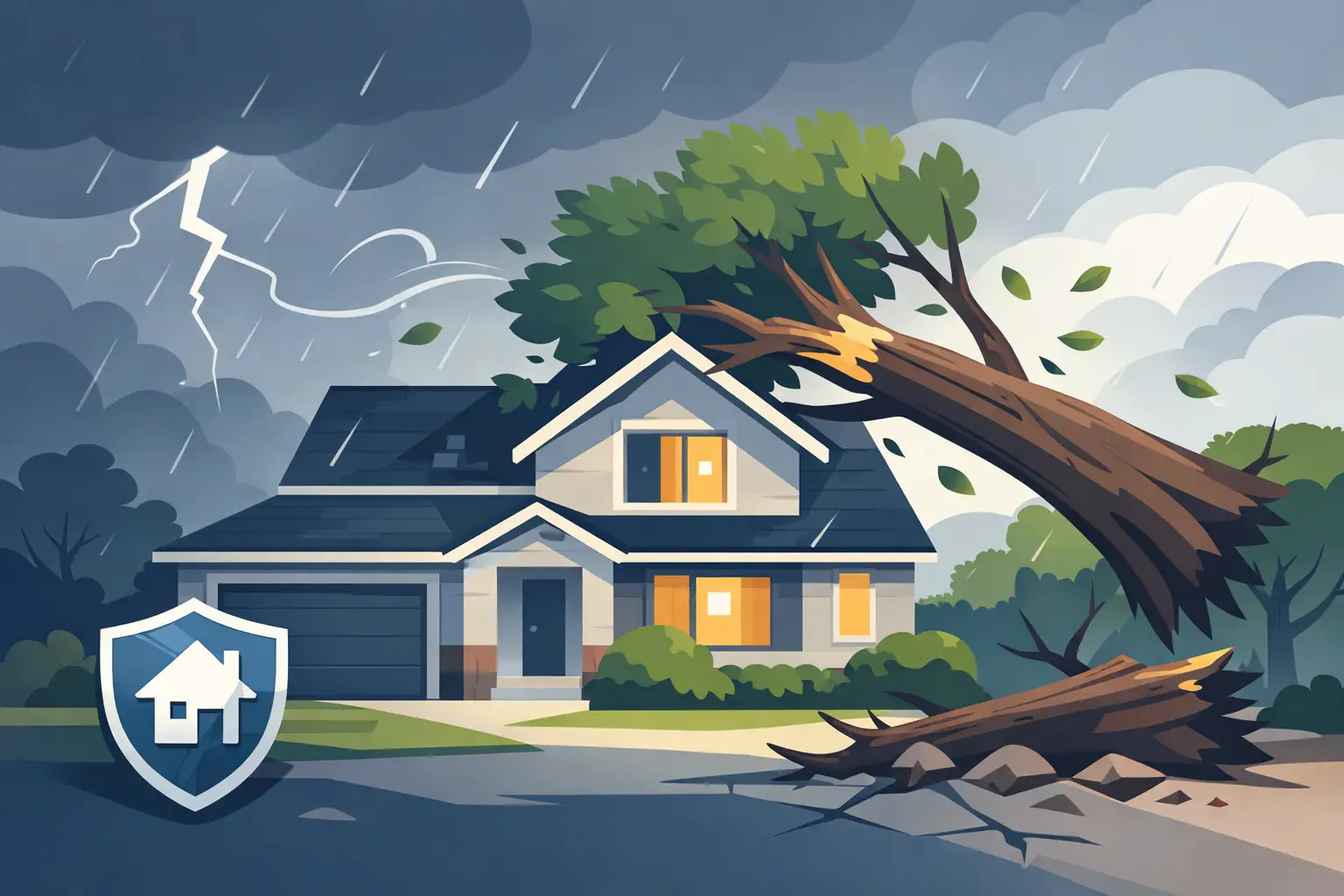
A cracked limb hanging over the roof rarely gives much warning before it becomes an expensive problem. In the Pacific Northwest, protecting homes from tree damage is not just about keeping a yard looking tidy. It is about preventing roof impact, gutter failure, siding damage, foundation issues, blocked driveways, and dangerous storm-related emergencies.
For homeowners and property managers in Vancouver, Washington and nearby communities, trees add value, shade, and curb appeal. They can also become a serious risk when branches overextend, root systems interfere with hardscapes, or structural defects go unnoticed. The safest approach is not to wait until a tree fails. It is to catch problems early and have qualified professionals handle them correctly.
Why protecting homes from tree damage matters
Tree-related property damage often starts small. A limb rubs against shingles for months and wears them down. Leaves clog gutters and push water back toward the fascia. A tree with poor structure begins to lean a little more each season. None of those issues may feel urgent at first, but they can develop into major repair costs when wind, rain, or saturated soil add pressure.
This is especially true after storms. Heavy rain softens the ground, strong gusts exploit weak branch unions, and deadwood gives way without much force. Even healthy-looking trees can fail if they were never properly pruned, if they grew too close to a structure, or if hidden decay has compromised the trunk.
Protecting your home means looking at the whole picture – the canopy, the trunk, the root zone, and the space between the tree and the structure. It also means knowing when maintenance is enough and when removal, structural support, or emergency service is the safer choice.
The most common tree risks around homes
Overhanging limbs are one of the clearest hazards. When large branches extend above a roof, garage, fence, or power-adjacent area, the risk rises during storms and snow or ice events. Even if a branch does not fully break, repeated contact can damage roofing materials, gutters, and exterior finishes.
Dead, dying, or diseased limbs are another common concern. These branches lose strength over time and can drop with little warning. Homeowners sometimes miss them because the rest of the tree still looks green, but isolated decay is enough to create a hazard.
Poor tree structure also matters. Trees with split trunks, weak branch attachments, heavy end weight, or imbalanced growth are more prone to failure. In some cases, cabling and bracing can help support a tree. In others, removal is the more responsible decision.
Roots can be just as damaging as branches. Surface roots may lift sidewalks, affect driveways, and interfere with drainage patterns. When trees are planted too close to a home, root activity and moisture changes in the soil can contribute to long-term problems around foundations and retaining walls.
Then there is simple lack of maintenance. Trees that go years without pruning can become overcrowded, top-heavy, and harder to manage safely. The longer a hazard develops, the fewer options you may have later.
How professional tree care helps protect your home
The right tree work is preventative. It reduces risk before damage occurs and keeps healthy trees in better condition over time. Professional pruning is one of the most effective tools because it addresses clearance, weight distribution, deadwood removal, and structural balance without harming the tree unnecessarily.
Proper trimming is not the same as cutting back whatever looks overgrown. Poor cuts can weaken a tree, encourage unstable regrowth, or create decay points. Professional arboricultural work follows accepted safety and care standards so the tree is improved rather than stressed.
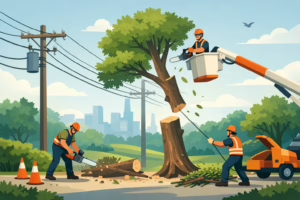
Removal becomes necessary when a tree is dead, severely damaged, structurally unsound, or too close to a home to remain safely in place. This is high-risk work, especially in tight residential spaces. It requires planning, equipment, and a crew that understands controlled dismantling and safe debris handling.
For some trees, structural support may be the best path. Cabling and bracing can help manage load stress in certain mature trees with weak unions or heavy limbs. This does not make every tree permanently safe, but in the right situation it can reduce risk and extend the useful life of a valuable tree.
Stump grinding also plays a role after removal. Old stumps can become obstacles, attract pests, and interfere with future landscaping or replanting. Clearing them out helps restore safe and usable space around the property.
Signs you should not ignore
A tree does not need to fall over to tell you something is wrong. Cracks in the trunk, hollow areas, fungal growth near the base, sudden leaning, exposed roots, and large dead branches all deserve attention. If a tree starts shedding bark, losing limbs more frequently, or showing sparse leaf coverage in one section, those are also signs that it may be under stress or in decline.
After a storm, pay attention to trees that look different than they did before. A newly tilted trunk, hanging branches, split branch unions, or heaving soil around the base can point to imminent failure. In those cases, staying clear and calling for professional help is the safest move.
It is also wise to act before a property sale, before winter weather, or after buying a home with mature trees that have not been evaluated in years. Many property owners inherit tree risks they did not create.
Protecting homes from tree damage during storm season
Storm season raises the stakes because defects that seemed manageable in dry weather can turn dangerous fast. Wind finds weak branches. Rain exposes root instability. Saturated soil reduces holding strength. If limbs are already too close to the roofline, one storm may be all it takes.
That is why pre-storm maintenance matters. A professional inspection and pruning plan can remove deadwood, reduce overextended limbs, improve clearance, and identify trees that may need support or removal before severe weather arrives. This kind of preventative work is usually far less costly than emergency repairs to a roof, carport, fence, or neighboring structure.
When damage has already happened, response time matters too. Fallen limbs can block access, create trip hazards, damage homes, or place additional stress on trees that are still partially standing. Emergency tree service helps stabilize the situation and prevent secondary damage from getting worse.
Why standards and safety compliance matter
Tree work near homes is not casual yard work. It involves climbing, rigging, cutting under tension, managing falling sections, and protecting nearby structures. Choosing a company that follows ANSI standards and OSHA regulations matters because those standards exist for a reason – safer crews, safer work practices, and better outcomes for your property.
Professionalism shows up in the details. It shows up in careful assessments, clear communication, proper equipment, and a crew that treats your home like something worth protecting. It also shows up in knowing what should be pruned, what should be supported, and what should come down.
For homeowners, that means peace of mind. You are not hiring someone to simply cut branches. You are hiring a team to reduce risk responsibly.
When to schedule tree service
If branches are touching your home, if a tree looks unhealthy, or if you have concerns after a storm, it is time to schedule an evaluation. The same is true if your property has large mature trees that have not been inspected in several years. Waiting for obvious failure usually means waiting too long.
Routine maintenance is often the best investment. It gives you more options, lowers the chance of surprise damage, and helps preserve both tree health and property value. For landlords and small property managers, it can also reduce liability and help keep sites safer for tenants and visitors.
At M & R Tree Services, we understand that homeowners are not looking for guesswork when a tree is threatening a roofline or a storm has left limbs hanging over a driveway. They want experienced help, safe work, and a team that shows up ready to handle the job the right way.
Protecting your home starts before the next branch falls. If a tree on your property is raising concerns now, getting it looked at sooner is the practical move that can save you stress, money, and damage later.