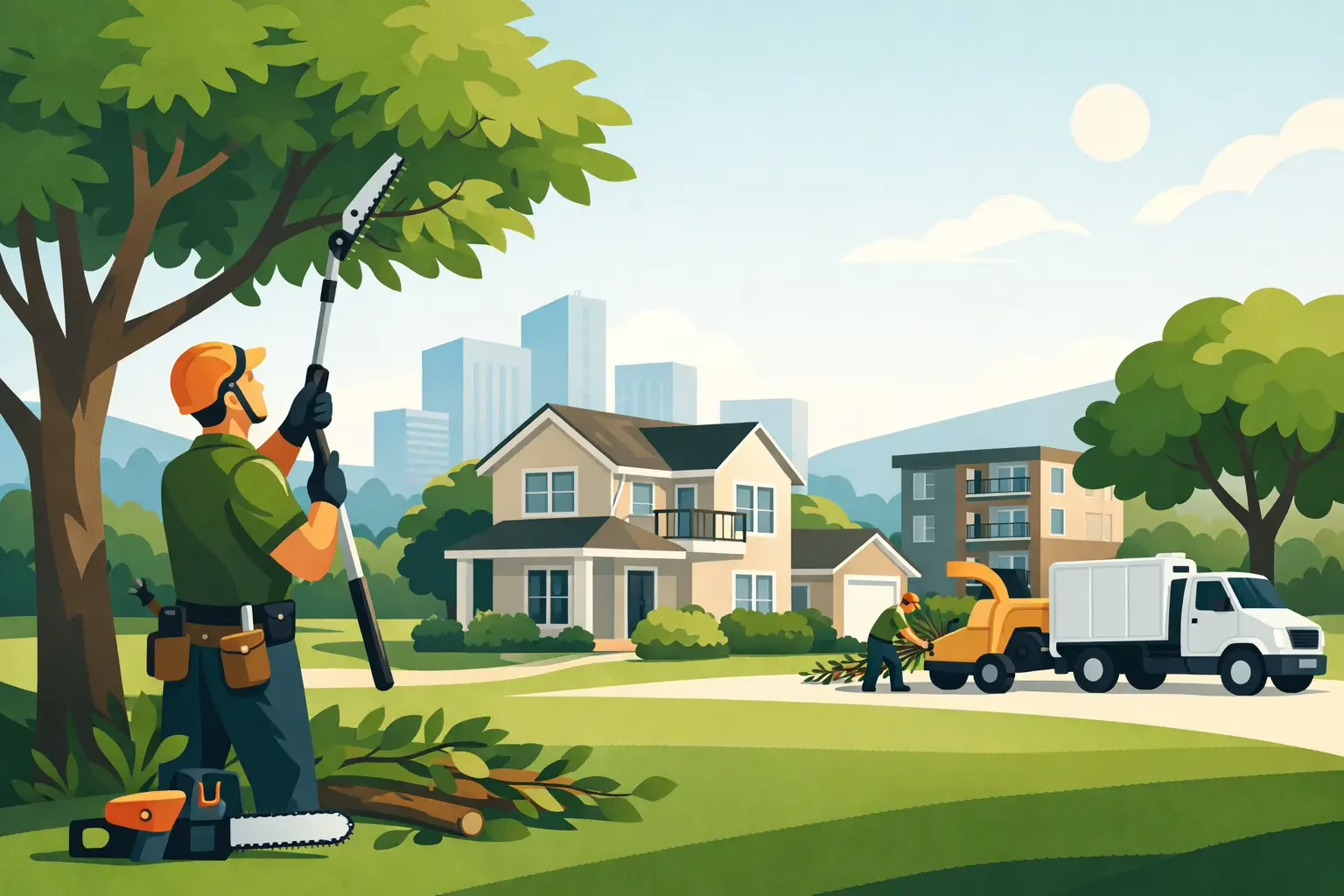
A tenant calls after a windstorm and says a large limb is hanging over the driveway. Another mentions roots lifting the walkway near the front steps. For landlords and property managers, tree issues rarely stay small for long. What starts as routine overgrowth can quickly become a safety problem, a maintenance expense, or a liability question.
That is why professional tree service for rental properties is less about appearance alone and more about protecting the people, structures, and access points on the property. Trees add value and curb appeal, but only when they are maintained correctly. On a rental property, where owners may not see conditions every day, that maintenance needs to be consistent, documented, and handled by qualified professionals.
Why tree service for rental properties matters
Rental properties have a different set of demands than owner-occupied homes. The owner is often not onsite, tenants may report problems late, and even a minor tree issue can affect multiple people at once. A low branch over a parking area, a dead limb above a walkway, or a tree leaning closer to the roof each season can create real exposure.
There is also the practical side. Overgrown trees can scrape siding, clog gutters, block exterior lighting, damage fences, and interfere with utility lines. Roots can affect sidewalks, driveways, and underground systems. If branches limit visibility near entrances or alleys, the issue becomes about security as much as landscaping.
Professional service helps landlords stay ahead of those problems. In many cases, timely pruning costs far less than repairs after a storm, tenant complaints, or an emergency removal.
What landlords should expect from a professional tree company
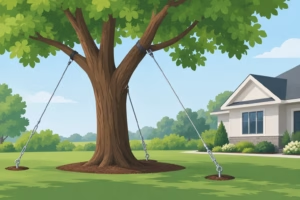
Not every tree job is simple maintenance. Some properties need shaping and clearance pruning. Others need hazardous limb removal, full tree removal, stump grinding, or structural support for a tree worth saving. The right company should be prepared to assess the tree itself and the surrounding risk.
For rental properties, professionalism matters just as much as technical skill. That means clear communication, dependable scheduling, and work performed with safety standards in mind. A qualified team should understand how to work around buildings, parked vehicles, shared yards, fences, and tenant access points without creating unnecessary disruption.
It also helps to work with a company that follows recognized safety practices. Tree work is high-risk work. Proper training, equipment, and compliance with industry and jobsite standards are not extras. They are part of protecting your property and everyone around it.
Common tree issues at rental properties
Some tree problems show up suddenly, especially after wind, heavy rain, or snow. Others build slowly and are easy to miss if the property is not inspected regularly.
One of the most common issues is overextended limbs. Branches that hang over roofs, driveways, patios, or neighboring property can become a hazard even if the tree otherwise looks healthy. Deadwood is another frequent concern. A dead branch may remain in place for months, then fail with little warning.
Poor clearance is also common. Trees planted years ago may now crowd buildings, signs, pathways, or utility areas. On multifamily or single-family rentals alike, that can interfere with maintenance access and create avoidable wear on the structure.
Then there are trees with deeper structural concerns. Cracks, weak branch unions, decay, hollow sections, root damage, or a noticeable lean may indicate that pruning alone is not enough. In those cases, removal or structural support may be the safer option. It depends on the species, condition, location, and likelihood of failure.
Tree trimming vs. tree removal
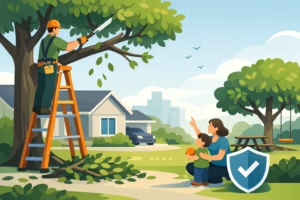
Property owners sometimes assume every problem tree needs to come down. In reality, removal is only one option. Many trees can be improved with proper trimming and pruning, especially when the goal is to remove deadwood, improve clearance, reduce weight on vulnerable limbs, or address uneven growth.
That said, not every tree should be preserved. If a tree is severely damaged, dead, decaying, or positioned where failure could strike a roof, cars, service lines, or tenant areas, removal may be the more responsible choice. Waiting too long often narrows your options.
This is where expert evaluation matters. Cutting too much from a healthy tree can create stress and future instability. Leaving a compromised tree in place can be even more costly. Good recommendations are based on safety, tree health, and site conditions, not guesswork.
Emergency tree service for rental properties
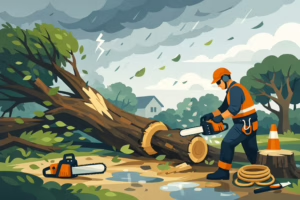
Storms, saturated soil, and high winds can turn a manageable issue into an urgent one. If a tree falls, splits, or drops large limbs onto access areas, rental owners need fast response. Delays can mean blocked driveways, roof damage, broken fences, tenant safety concerns, and additional loss if weather continues.
Emergency tree service for rental properties should focus first on making the area safe. That may include removing fallen sections, stabilizing damaged limbs, clearing paths, and assessing whether other parts of the tree remain at risk of failure. After immediate hazards are addressed, the next step is determining what permanent corrective work is needed.
For landlords, responsive service matters because emergencies do not wait for business hours. A dependable local company can help reduce downtime, protect the property from worsening damage, and give you a clear next step when the situation is stressful.
Why regular service often saves money
Some owners only call for tree work when there is visible damage. That approach can work for a while, but it usually leads to higher costs over time. Trees do not need constant attention, but they do benefit from periodic inspection and maintenance.
A scheduled approach can catch dead limbs before they fall, clear branches before they reach the roof, and identify trees that are declining before removal becomes more difficult. It also helps owners budget for maintenance instead of absorbing surprise expenses during peak storm season.
There is a tenant retention angle too. A property that looks maintained tends to feel safer and better managed. Tenants notice when overgrowth blocks windows, drops debris in parking spots, or makes entry areas feel neglected. Tree care is not the only factor in curb appeal, but it contributes more than many owners realize.
Choosing the right provider
If you manage one rental or a small portfolio, you want a company that treats tree care as skilled professional work, not a quick side job. Ask whether they handle the specific services your property may need, such as trimming, removals, stump grinding, storm cleanup, or cabling and bracing. Make sure they are equipped for residential sites and understand how to work safely around occupied properties.
Consistency is also important. You should be able to get clear recommendations, fair pricing, and straightforward communication about timing, access, and cleanup. For many landlords, the best service partner is the one they can call for both routine maintenance and urgent response.
Local experience matters as well. Tree species, weather patterns, and property layouts vary by region. A company familiar with Vancouver, Washington and nearby communities will have a better sense of what common tree issues look like in the area and how seasonal conditions affect risk.
For owners who want professional help without unnecessary hassle, working with a trusted local provider such as M & R Tree Services can make ongoing property care much more manageable. You want a team that shows up, works safely, and gives you confidence that the job is being handled the right way.
A practical approach for landlords
The most effective way to manage trees on rental property is to stop treating them as background scenery. Trees are living structures that change over time, and on an income-producing property, those changes affect safety, maintenance costs, and tenant experience.
If a tree has not been evaluated in years, if branches are getting close to the building, or if a recent storm left damage behind, it is worth addressing now rather than later. A qualified tree company can help you decide what needs immediate attention, what can be monitored, and what preventive work will protect the property going forward.
Good tree care is not about doing the most work possible. It is about doing the right work at the right time so your rental stays safe, functional, and easier to manage.