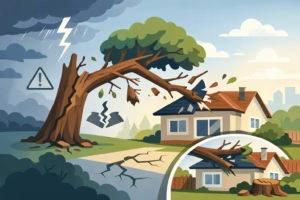
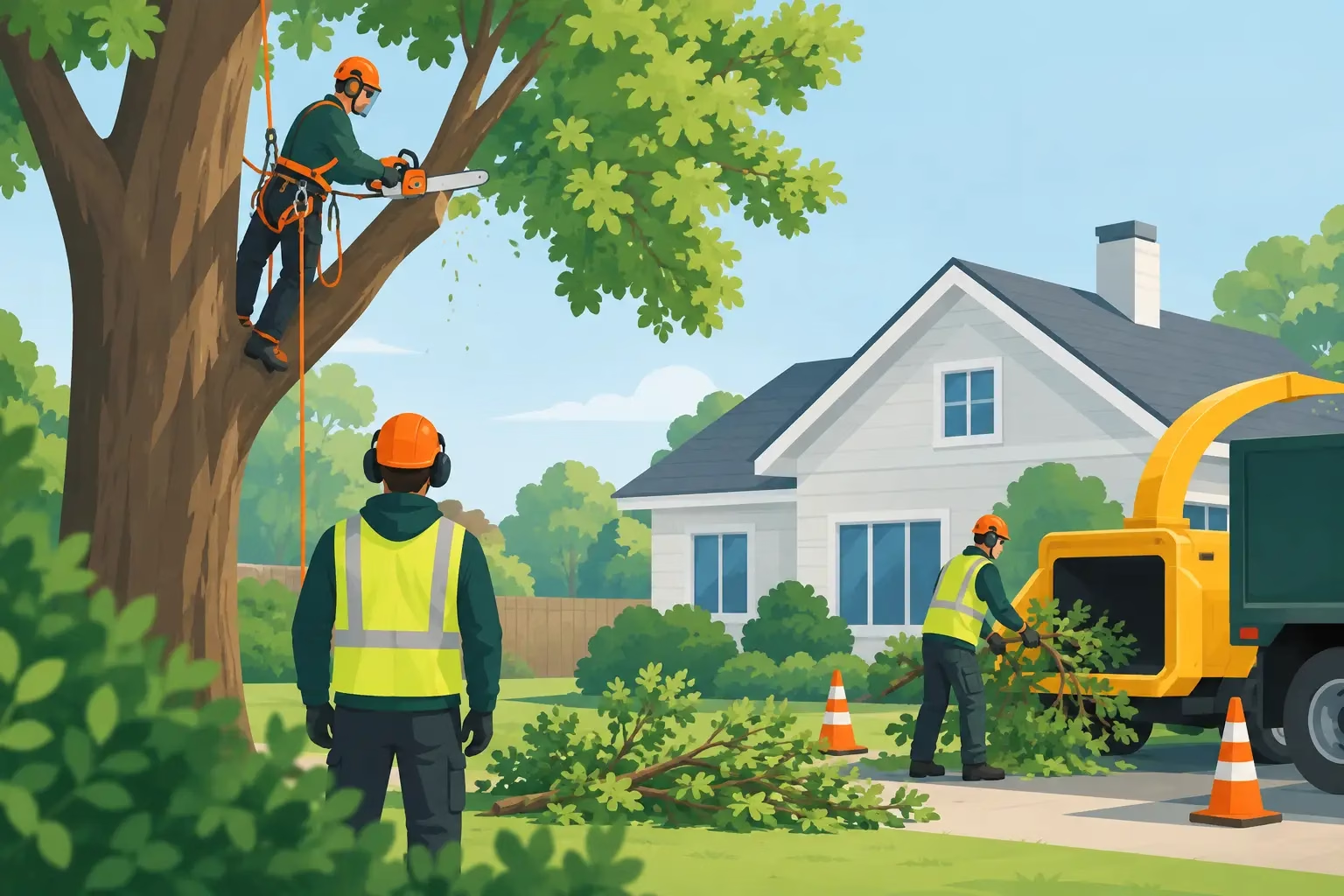
A large limb over a roof, a tree leaning after a windstorm, or a dead trunk near a driveway can make a property feel unsafe fast. Tree crew safety standards are what separate a controlled professional job from a dangerous gamble with people, homes, utility lines, and neighboring property.
For homeowners and property managers, the goal is not to learn how to climb or remove a tree yourself. It is to know what safe, qualified tree work looks like before a crew begins. The right preparation protects your property, helps prevent injuries, and gives the crew a clear plan for handling the job efficiently.
What Tree Crew Safety Standards Cover
Tree work is high-risk work because conditions can change in seconds. A limb may be heavier than it appears, internal decay can weaken a trunk, and wind can change the direction of a suspended piece. Crews also work around buildings, fences, vehicles, pools, roads, and overhead utilities.
Professional tree crew safety standards address the full job, not just the moment a saw starts. They include job-site assessment, protective equipment, equipment inspection, communication, work-zone control, climbing and rigging practices, and cleanup. ANSI safety standards provide recognized guidance for arboricultural operations, while OSHA regulations establish workplace safety requirements that employers must follow.
Standards are not a promise that tree work carries no risk. They are a disciplined way to identify risk, reduce exposure, and make sound decisions when site conditions change.
The Safety Process Starts Before the Crew Arrives
A safe job begins with an accurate assessment. Before pruning or removal, an experienced crew considers the tree species, height, lean, visible decay, deadwood, root condition, nearby structures, access for equipment, and the available landing area for limbs or trunk sections.
The surrounding environment matters just as much. A tree in an open yard can often be managed differently than one growing between a house, garage, fence, and power line. In tight spaces, crews may need to lower pieces with ropes and rigging rather than dropping them. That takes more time and planning, but it can be the safer choice for the property and everyone on site.
Weather is also part of the decision. Rain, high winds, lightning, icy ground, and poor visibility can make climbing, lifting, or operating equipment unsafe. Emergency work after a storm may be necessary, but a responsible crew still evaluates whether immediate action is safe or whether the area should first be secured and addressed when conditions improve.
Utility Lines Require Special Care
Overhead electrical lines create a serious hazard. Homeowners should never assume a tree service can simply trim or remove branches close to energized lines. Depending on the line, its location, and the scope of work, the utility company or specially qualified personnel may need to be involved.
A professional crew recognizes when a job is outside the safe approach distance and does not improvise. If a tree or limb has fallen on a line, stay clear, keep others away, and contact the utility provider or emergency services as appropriate. Do not touch the tree, wire, fence, puddle, or anything that may be energized.
The Work Zone Should Be Clearly Controlled
Tree work should not take place in a casual, open work area where children, pets, residents, or visitors can walk underneath active cutting or rigging. Before work begins, the crew should establish a controlled zone around the tree and the planned drop area.
That means moving vehicles when possible, identifying access routes, and keeping people outside the work zone. If the work affects a sidewalk, driveway, or street, traffic and pedestrian control may be needed. On a residential property, this may be as simple as clear communication about where family members and pets should stay until the job is complete.
The crew also needs a plan for escape routes. When felling a tree from the ground, workers identify a clear path away from the tree’s expected fall direction. This is one reason homeowners should not stand nearby to watch. A changing lean, falling branch, or equipment issue can require an immediate response.
Protective Equipment Is a Basic Requirement
Personal protective equipment is not an optional extra. The exact gear depends on the task, but qualified crews use appropriate head, eye, hearing, hand, foot, and leg protection. Arborists working aloft also use climbing systems designed for tree work and follow procedures that maintain secure attachment while moving and cutting.
Chainsaw operation requires particular care. Sawyers need proper protective clothing and stable footing, and they must maintain safe spacing from other workers. A crew member on the ground should never move into a cutting or drop zone simply to speed up cleanup.
Equipment condition matters, too. Ropes, harnesses, saws, chippers, rigging hardware, and aerial equipment must be inspected and used within their intended limits. A rope with visible wear or a damaged rigging component is not something to use one more time. Safe crews remove questionable equipment from service rather than hoping it holds.
Communication Keeps the Job Controlled
A tree crew works as a team. The climber or aerial lift operator, ground crew, equipment operator, and supervisor need clear roles and reliable communication. Before a cut is made, everyone should understand where the piece is expected to go, who is managing the rope, and who has authority to stop the operation.
On a noisy job site, crews may use verbal calls, radios, or hand signals. The method matters less than consistency. A rushed or unclear instruction around suspended limbs, a chipper, or a chainsaw can create unnecessary risk.
Homeowners can help by giving the crew space to work and sharing relevant site details before the job begins. Let them know about septic systems, irrigation lines, gates that do not open fully, hidden landscaping features, pets, tenants, or access concerns. Those details can affect how equipment is positioned and how debris is removed.
Safe Tree Removal Is Rarely Just One Cut
People often picture tree removal as a single cut at the base followed by a tree falling into an open yard. That approach is only appropriate in certain conditions. Many residential removals require a tree to be dismantled in sections, especially when it is close to a home or other valuable structures.
A climber or aerial lift operator may remove branches first, then take down manageable trunk sections. Ropes and rigging can guide or lower material into a designated area. The trade-off is that this process can take longer than a simple felling operation. The benefit is greater control where control matters most.
The same principle applies to pruning. Proper pruning focuses on tree health, clearance, structure, and risk reduction. Topping a tree or removing too much live canopy at once can stress the tree and encourage weak regrowth. A qualified crew evaluates what should be removed, what should remain, and whether cabling or bracing may help support a structurally vulnerable tree.
Storm Damage Calls for Extra Caution
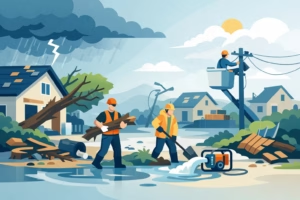
Storm-damaged trees can be unpredictable. Broken limbs may be hung up overhead, trunks can be split under tension, and uprooted root systems can shift without warning. What looks like a simple cleanup job can involve stored energy that is released when a limb is cut or moved.
Keep people away from damaged trees until a professional can inspect them. Avoid parking or walking beneath hanging branches, and do not pull on a lodged limb with a truck, rope, or ladder. Emergency tree service should focus first on immediate hazards, such as a tree blocking access, resting on a structure, or threatening to fail further.
In Vancouver and nearby communities, wet ground and seasonal windstorms can add to the challenge. Local experience helps a crew judge access conditions, recognize common failure patterns, and choose the right equipment for the property.
Questions Worth Asking a Tree Service
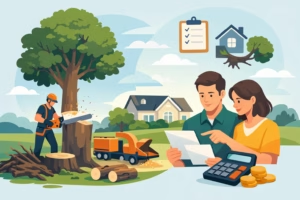
Before hiring a crew, ask whether they are licensed and insured, whether they follow ANSI and OSHA safety requirements, and how they plan to protect your home and landscaping. You can also ask how they handle utility-line concerns, whether they use ropes and rigging in tight spaces, and who will be on site during the work.
Be cautious of anyone who offers a price without assessing the tree or who suggests work that feels rushed, vague, or unusually simple for a complicated situation. Fair pricing matters, but the lowest quote may leave out the planning, trained labor, insurance, equipment, and cleanup needed to perform the work safely.
M & R Tree Services approaches each job with the same priority: protect people, property, and the surrounding landscape while completing the work correctly. If a tree on your property looks hazardous, damaged, overgrown, or too close to a structure, requesting a professional assessment is a practical first step toward a safer property.